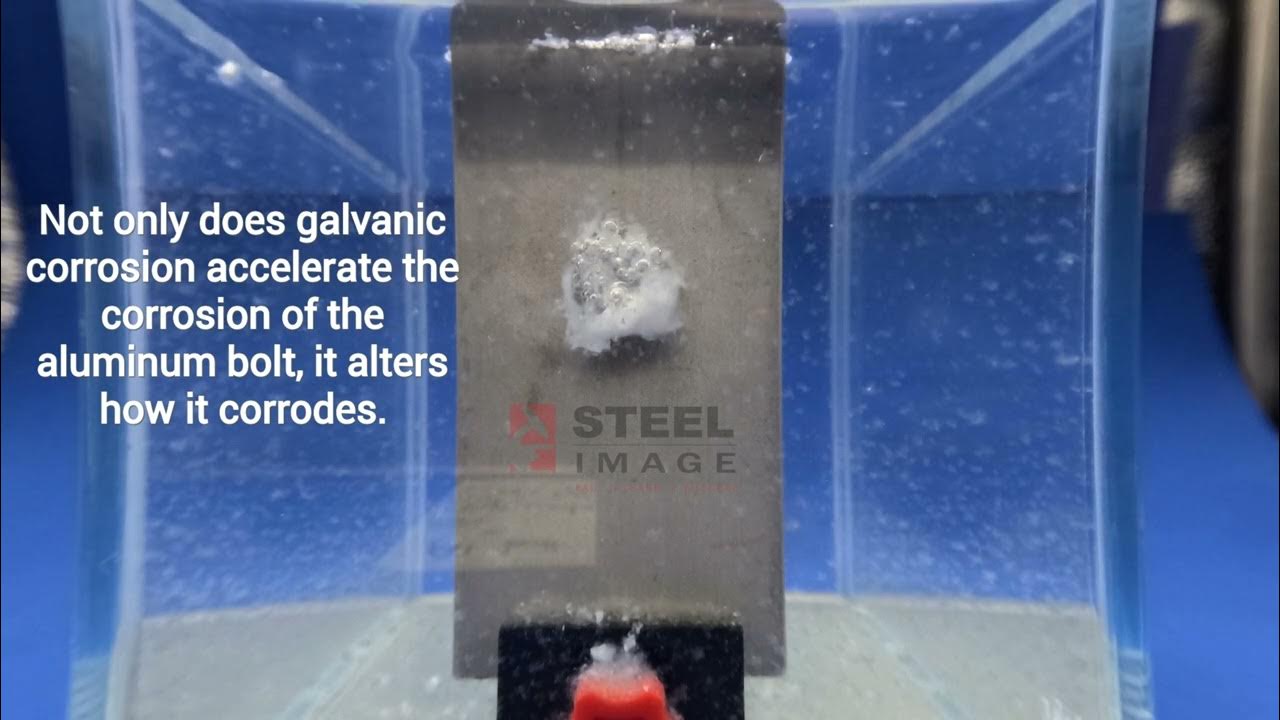
Galvanic Corrosion Aluminum And Stainless Steel
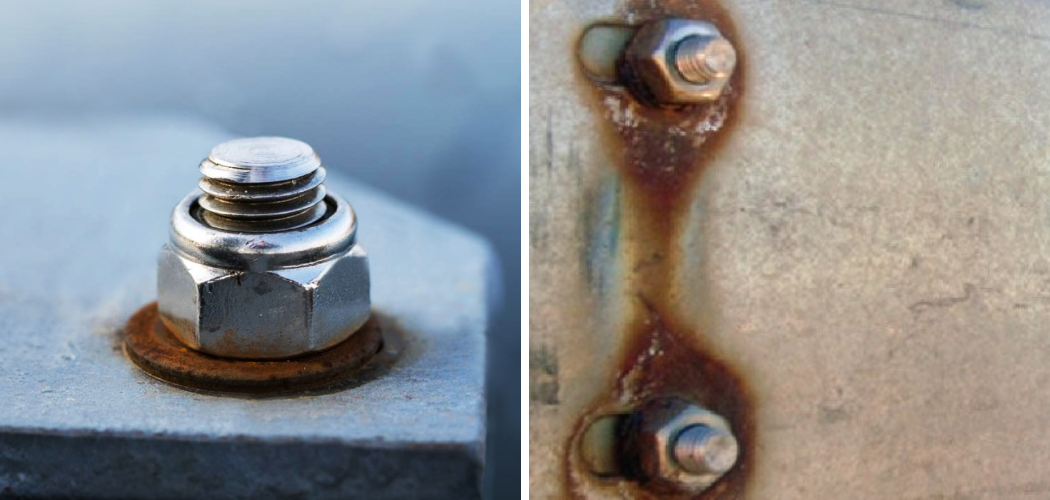
Okay, so picture this: You're building the ultimate backyard BBQ machine. Shiny stainless steel, gleaming aluminum… the whole shebang! You’re feeling like a culinary superhero. But then, BOOM! Your masterpiece starts looking like it’s been attacked by tiny, hungry metal-eating aliens. What gives?
Chances are, my friend, you've stumbled headfirst into the fascinating, and often frustrating, world of galvanic corrosion. Don't worry, it's not contagious… for you, at least. Your metal parts? That's another story.
The Battery Effect: Metal's Mortal Enemy
Basically, galvanic corrosion is like creating a tiny, unintentional battery. You see, some metals are just more eager to give up their electrons than others. Aluminum is a prime example; it's like that over-enthusiastic friend who's always volunteering for everything, even if he doesn't quite know what he's doing. Stainless steel, on the other hand, is more like the cool, aloof type, perfectly content to hang onto its electrons.
Must Read
Now, when you put these two buddies together in the presence of an electrolyte (that’s just fancy science-speak for something like water, especially salty water – think seaside BBQs!), things get interesting. The aluminum, being the electron-giving champ, starts sacrificing itself to protect the stainless steel. It's like a noble sacrifice, but, you know, not ideal for your BBQ.
Think of it like this: aluminum is offering up little pieces of itself, like a metal buffet, to the stainless steel, all facilitated by the electrically conductive electrolyte. The aluminum corrodes away, leaving you with pits, weakening, and a general sense of "Why did I even bother?"

Aluminum vs. Stainless Steel: A Love-Hate Relationship
Aluminum and stainless steel are fantastic materials individually. Aluminum is lightweight and resistant to corrosion (usually!), making it perfect for airplane wings and soda cans. Stainless steel is strong, durable, and resists rust like a superhero fighting crime. But together…it's a recipe for potential disaster if you're not careful.
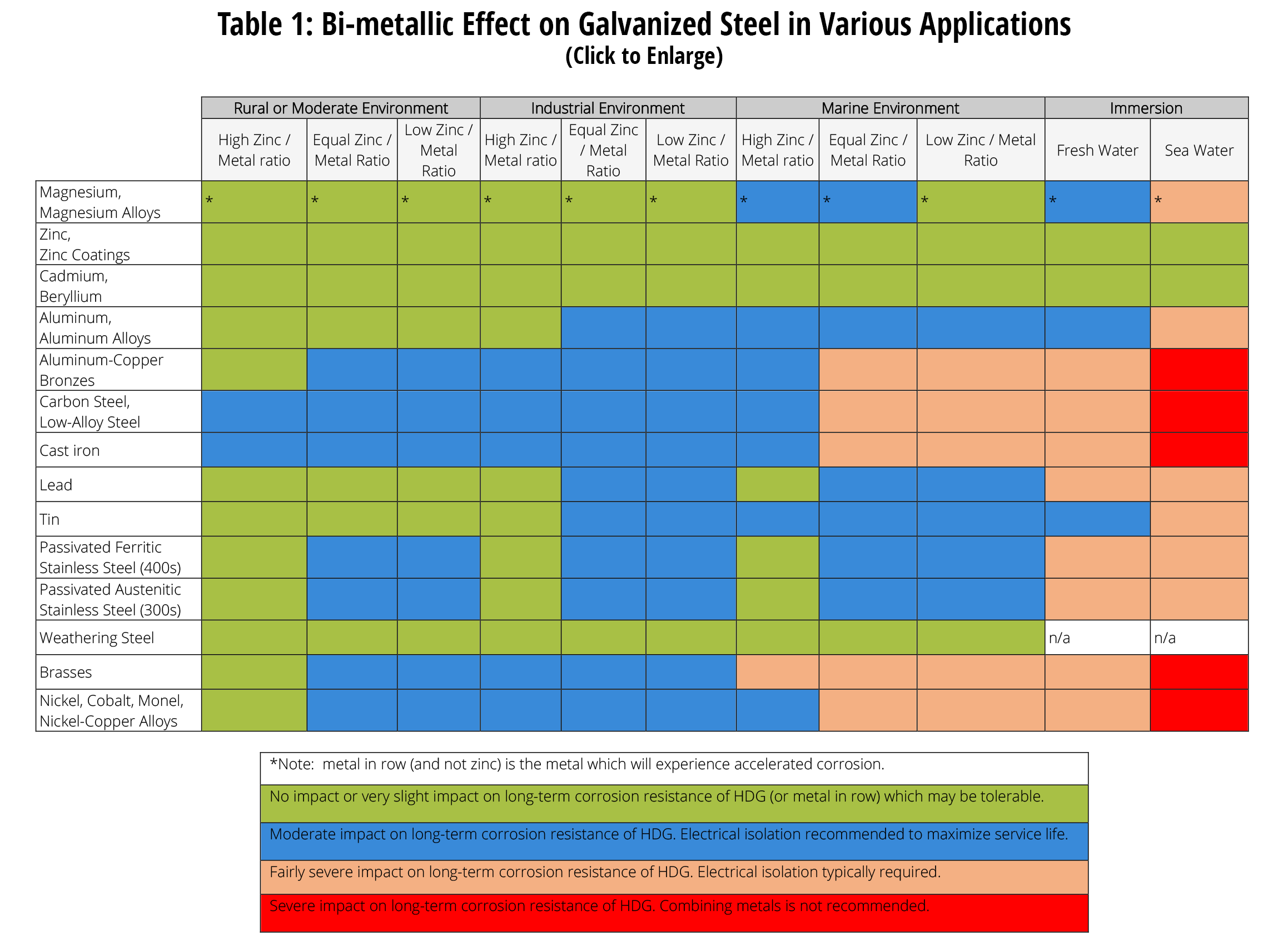
The further apart two metals are on the galvanic series (a chart that ranks metals by their tendency to corrode), the more dramatic the galvanic corrosion will be. Aluminum and stainless steel are fairly far apart, meaning the reaction can be quite vigorous, especially in salty environments.
It's like pairing a hyperactive chihuahua with a serene Great Dane. Initially, it seems cute, but eventually, the chihuahua is going to wear down the Great Dane (metaphorically, hopefully!).
So, How Do You Prevent Metal Armageddon?
Fear not, budding metallurgists! All is not lost. You can outsmart galvanic corrosion with a few simple tricks:
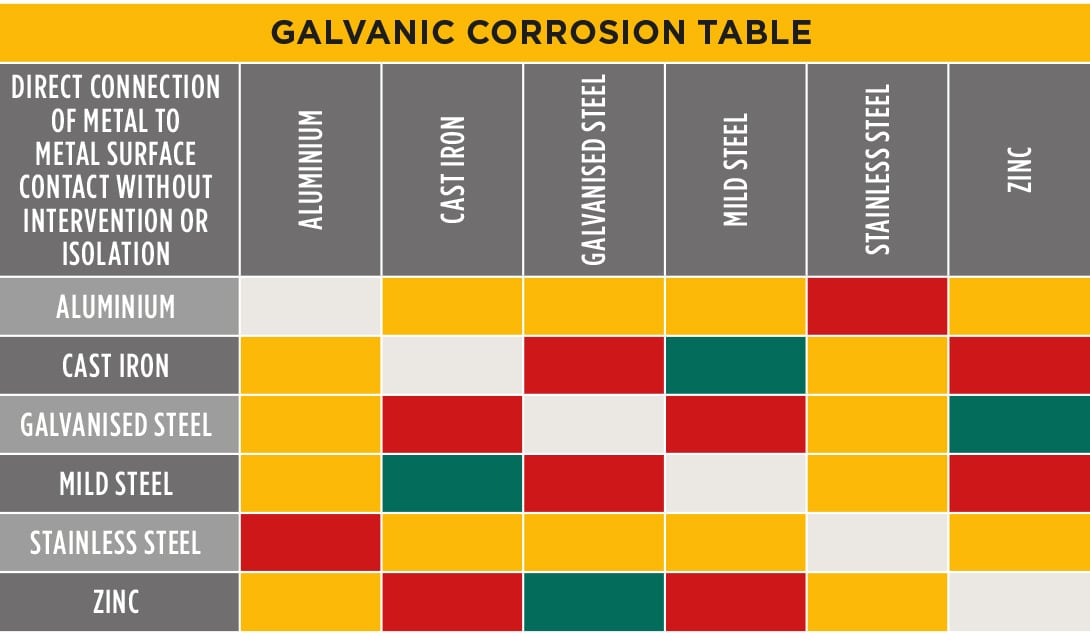
- Insulate! Insulate! Insulate! This is your golden rule. Physically separate the aluminum and stainless steel with a non-conductive material like plastic washers, rubber gaskets, or even just some good old-fashioned tape. This breaks the electrical connection and stops the electron transfer party.
- Use the Right Fasteners: If you must use dissimilar metals, opt for fasteners made of a metal that's closer in the galvanic series to the metals you're joining. For example, using aluminum fasteners with aluminum is always a win.
- Coatings are Key: Apply a protective coating, like paint or epoxy, to the more active metal – in this case, the aluminum. This acts as a barrier, preventing the electrolyte from reaching the aluminum surface. Think of it as a metal sunscreen.
- Sacrificial Anodes: This is a more advanced technique where you introduce a third, even more active metal (like zinc or magnesium) into the system. This metal corrodes instead of the aluminum, sacrificing itself for the greater good. It’s like having a designated scapegoat for electrons.
- Keep it Clean! Regularly cleaning your metal components, especially if they're exposed to saltwater or other corrosive environments, can help remove electrolytes and slow down the corrosion process.
Think of it like flossing your teeth for your metal. Nobody wants to do it, but everyone knows it's good for them (and prevents expensive dentist visits… or, in this case, metal replacements).
The Takeaway: A Little Knowledge Goes a Long Way
Galvanic corrosion isn't some insurmountable force of nature. With a little understanding and some preventative measures, you can build metal structures that will last for years, even when using aluminum and stainless steel together. Just remember to keep them separated, protected, and clean, and your BBQ (or boat, or whatever you’re building) will thank you for it. Now go forth and conquer the world of metal… responsibly!
And if all else fails, blame the tiny, hungry metal-eating aliens. No one can disprove that!