Front Door Exterior Door Weatherstripping Types
Ever notice that sneaky draft sneaking in around your front door during the winter? Or maybe the way your air conditioning bill skyrockets in the summer, even though you swear you're keeping the thermostat at a reasonable temperature? Well, the culprit might be hiding in plain sight: your door's weatherstripping. It might sound like a boring topic, but understanding weatherstripping is actually a surprisingly practical and empowering little bit of home ownership know-how. It's like understanding the secret language of keeping your home comfortable and energy-efficient!
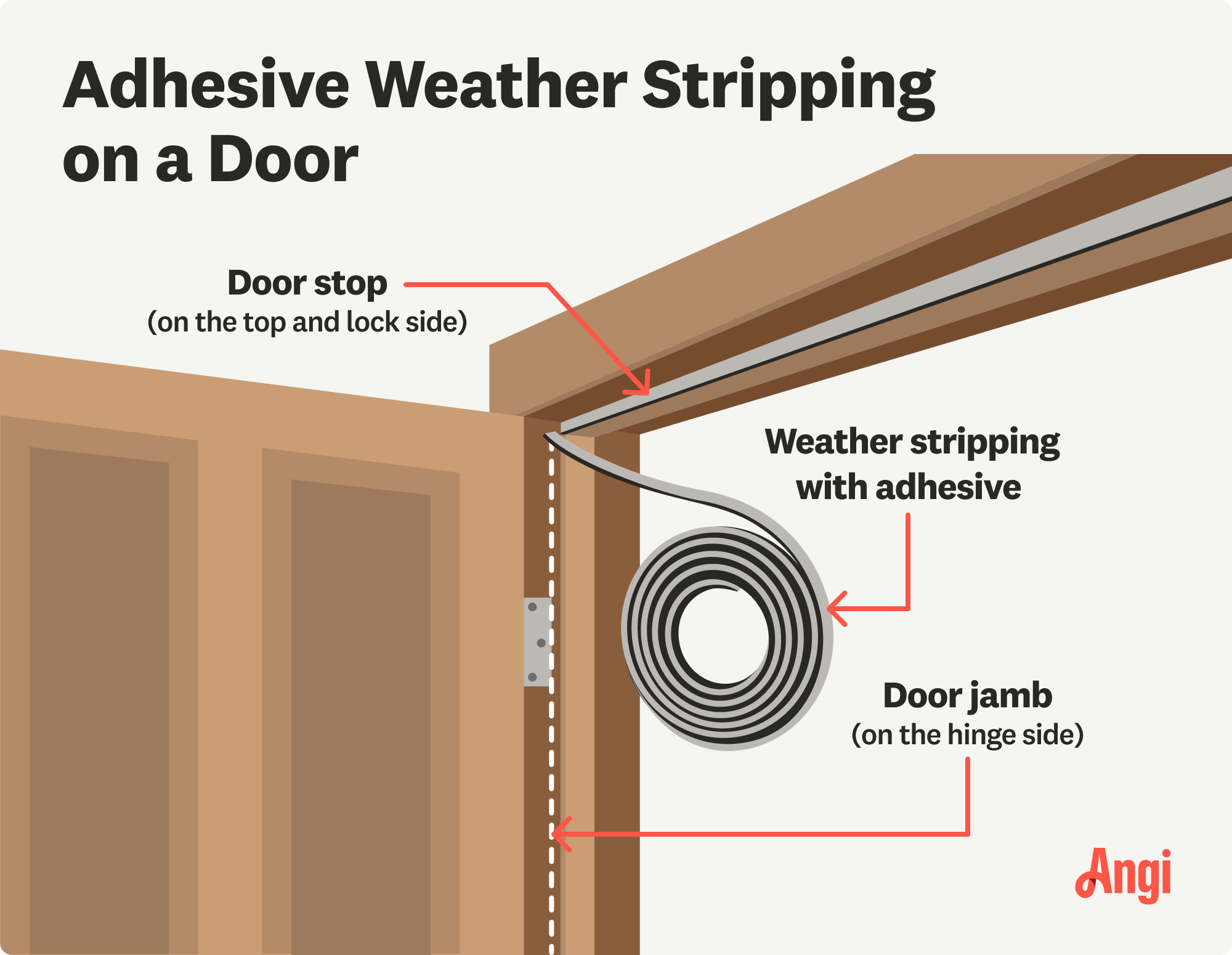
At its core, weatherstripping is simply material used to seal the gaps around doors and windows. Its primary purpose is to create an airtight barrier against the elements. This prevents drafts, keeps out rain and snow, and reduces noise pollution. Think of it as a comfy, well-fitting sweater for your house, hugging the openings tight and keeping the inside protected from the outside world.
The benefits are numerous! Obvious ones are improved energy efficiency, leading to lower heating and cooling bills. But it also helps to maintain a more consistent temperature inside your home, increasing your overall comfort. Plus, keeping out moisture can prevent mold and mildew growth, improving the air quality in your home and protecting the structure of your door frame. It can even keep pesky insects from finding their way inside!
Must Read
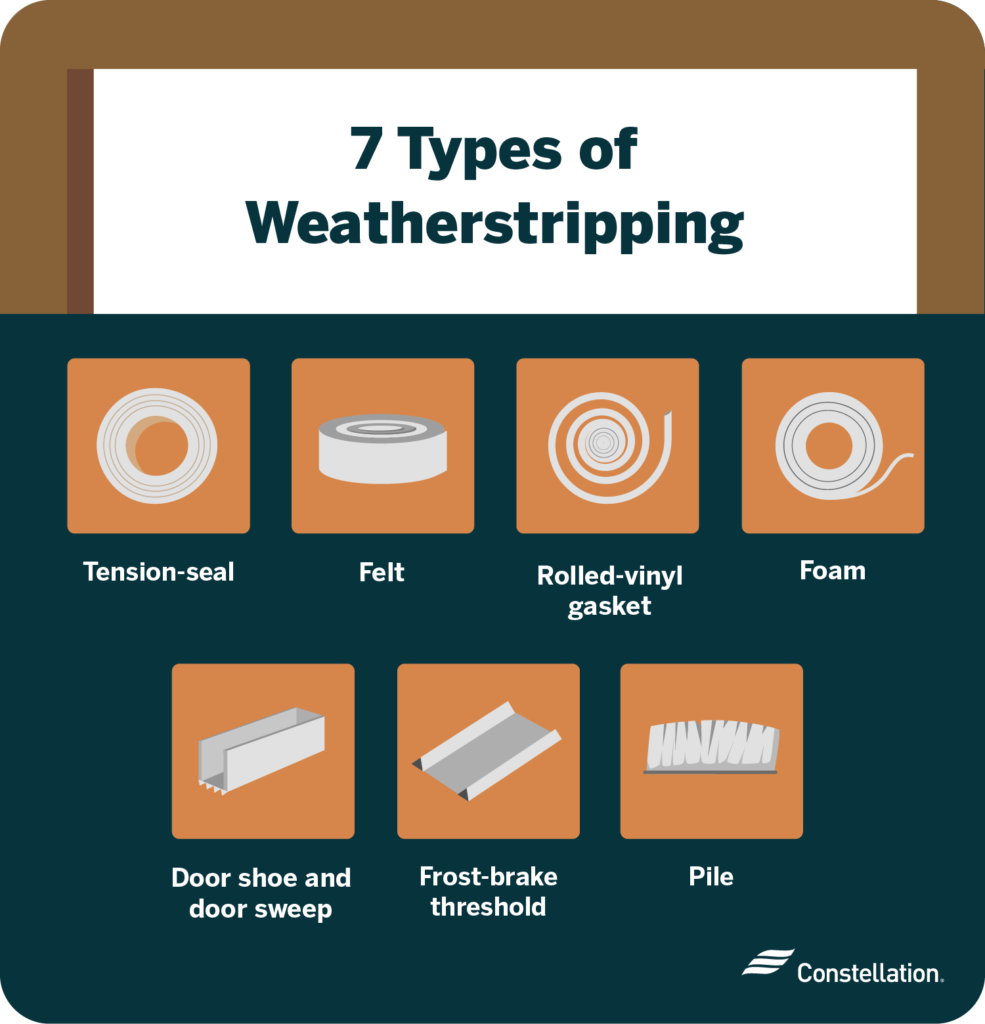
There are several different types of weatherstripping, each with its own strengths and weaknesses. Let's explore a few common examples:
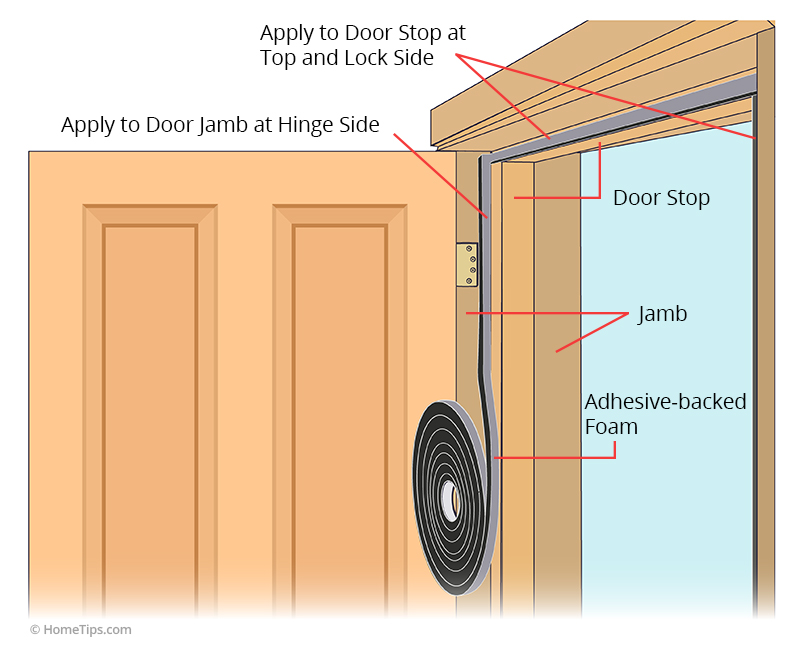
- Foam Tape: This is often the easiest and most affordable option. It's great for filling small gaps, but it tends to wear out quickly and isn't ideal for areas with high traffic. Think of it as the quick-fix solution.
- Felt Weatherstripping: Another budget-friendly option, felt is good for filling consistent gaps and providing a soft seal. However, like foam tape, it doesn't hold up well to heavy use or moisture.
- V-Strip Weatherstripping: Made from vinyl or metal, V-strips create a spring-loaded seal when the door is closed. They're more durable than foam or felt and work well on uneven surfaces.
- Door Sweeps: These are attached to the bottom of the door and sweep across the threshold to seal the gap. They're essential for preventing drafts and keeping out debris.
- Magnetic Weatherstripping: Similar to the seal on your refrigerator door, magnetic weatherstripping provides a very tight and effective seal. It's often used on exterior doors that need maximum protection.
Where do we encounter weatherstripping in everyday life or learning? Think about school buildings! Schools use large amount of weatherstripping to manage heating and cooling costs across so many classrooms, libraries, and offices. Or in your apartment building, quality weatherstripping protects each unit to minimize issues from external conditions and reduce utility bills for residents. Even commercial refrigerators in grocery stores rely on perfect weatherstripping to stay cool while minimizing energy waste.
Want to explore weatherstripping further? A simple start is to simply inspect the weatherstripping around your own front door. Feel for drafts, look for signs of wear and tear (cracks, gaps, or missing pieces), and try to identify the type of weatherstripping you already have. From there, you can research the best options for replacement and even tackle the DIY installation yourself! Most home improvement stores have experts who can help you pick out exactly the right type for your needs. And there are a ton of online tutorials to guide you through the process. Armed with this knowledge, you'll be well on your way to creating a more comfortable, energy-efficient, and secure home.