
Freezer Is Working But Refrigerator Is Not Cooling
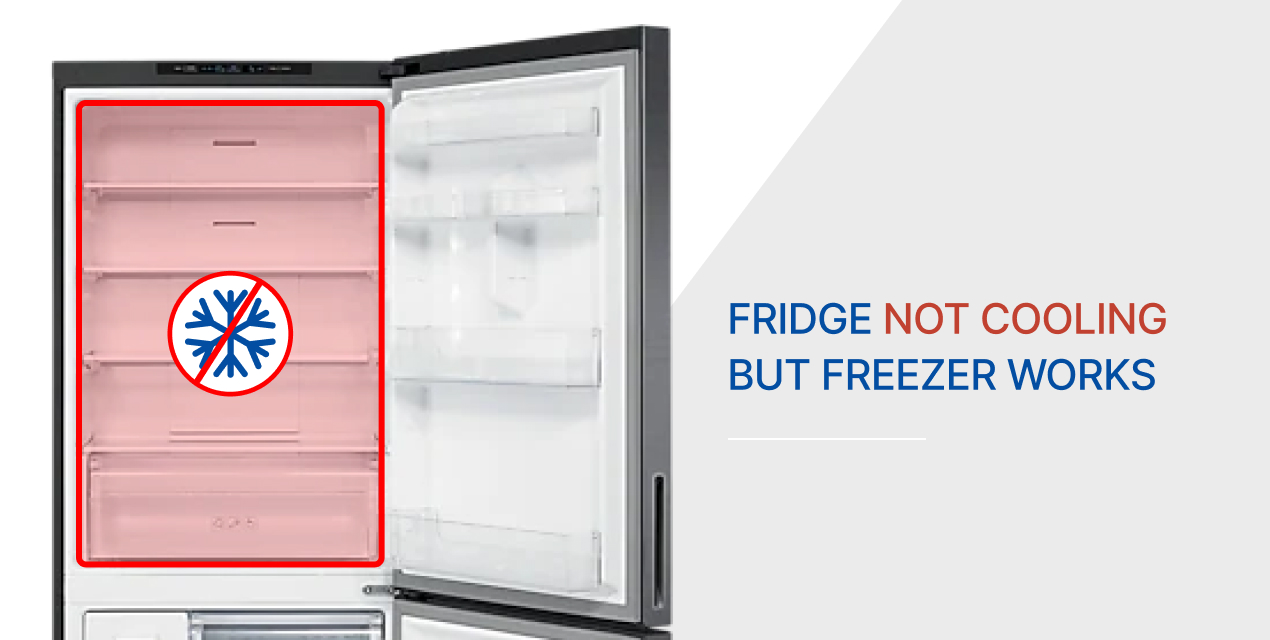
Okay, let's be honest. There are few things more unsettling than opening your refrigerator, expecting a cool blast, and instead being greeted by…room temperature. It's like your fridge is playing a cruel joke, holding your precious groceries hostage in a lukewarm purgatory. But fear not! This isn't necessarily a sign of impending appliance doom. In fact, a freezer working perfectly while the fridge is on the fritz is a surprisingly common (and often fixable!) problem. So, let's dive into why this happens and how you can potentially bring your fridge back from the brink of warm disaster.
The purpose here is simple: to empower you to diagnose and possibly solve the mystery of the warm fridge. We'll explore the most likely culprits behind this chilling (or rather, not chilling) scenario. By understanding how your fridge-freezer combo works, you can save yourself the cost of an expensive repair bill or, worse, a whole new appliance. Think of it as becoming a fridge whisperer, able to understand its subtle cries for help. The benefits are clear: salvaged food, a happy wallet, and bragging rights for your impressive DIY skills!
So, what's going on behind the scenes? Many refrigerators share cooling components between the freezer and the fridge compartments. Typically, the freezer gets the full blast of cold air, and then a portion of that cold air is diverted to the refrigerator section. The most common reasons for a warm fridge with a cold freezer usually involve issues with this cold air distribution system. Let's explore the prime suspects:
Must Read
First up: the damper. This is like a little door or vent that controls the flow of cold air from the freezer into the fridge. If the damper is stuck closed, no cold air can get through, leaving your fridge feeling like a tropical getaway. Locate the damper (usually at the back of the fridge compartment) and check if it's obstructed or frozen shut. Sometimes, a simple nudge or defrosting can get it working again.
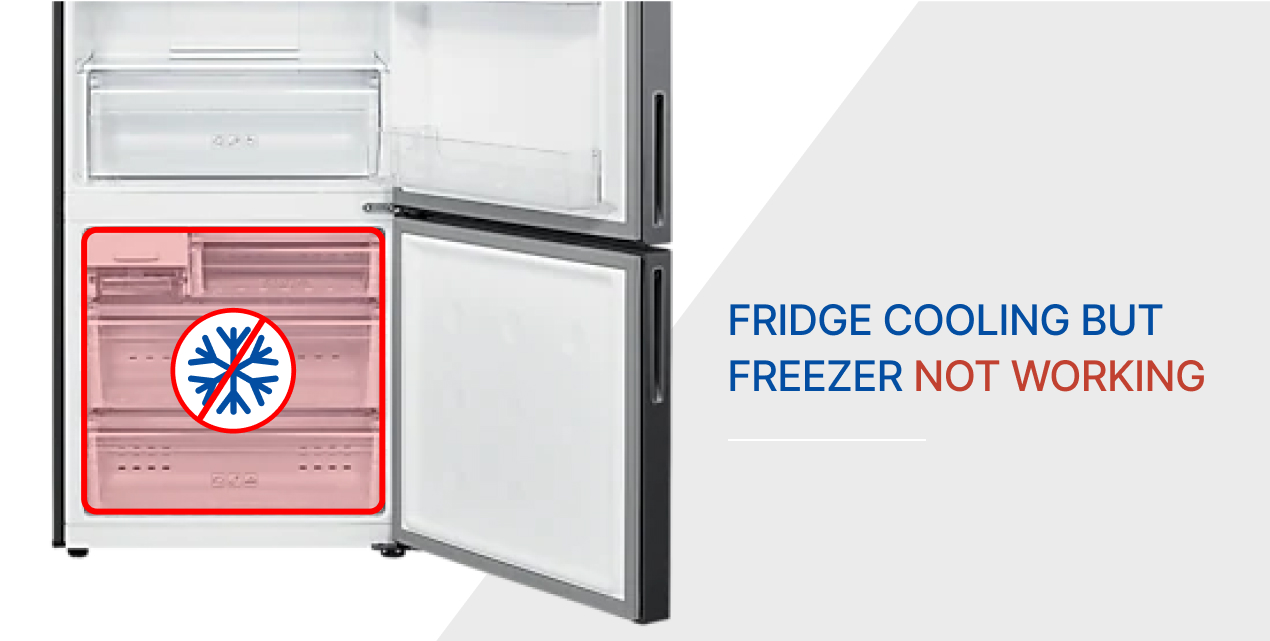
Next, let's investigate the evaporator fan motor. This fan circulates the cold air within the freezer. If it's not working, the freezer might still feel cold, but the air won't be effectively distributed, hindering the cold air supply to the fridge. You should be able to hear this fan running. If it's silent, it might be the culprit. Give it a spin (carefully!) to see if it's simply stuck; if not, it might need replacing.
Another potential troublemaker is a frost buildup. If frost accumulates on the evaporator coils in the freezer, it can restrict airflow and prevent proper cooling. This can be caused by a faulty defrost system. Check if the evaporator coils are heavily frosted over. If so, you may need to manually defrost the freezer (unplug it and let the frost melt) and then investigate the defrost heater, defrost thermostat, and defrost timer for potential issues. These components work together to automatically defrost the coils, and a failure in any of them can lead to excessive frost buildup.

Finally, don't overlook the basics! Make sure the condenser coils (usually located at the back or bottom of the fridge) are clean. Dust and debris can insulate the coils, reducing their ability to release heat and impacting cooling efficiency. A simple vacuuming can often make a big difference.
While this isn't an exhaustive list, these are the most common reasons why your freezer might be working while your fridge is not. If you've checked these components and still have no luck, it might be time to call in a professional. But hopefully, with a little troubleshooting, you can restore your fridge to its former glory and say goodbye to lukewarm lunches!

