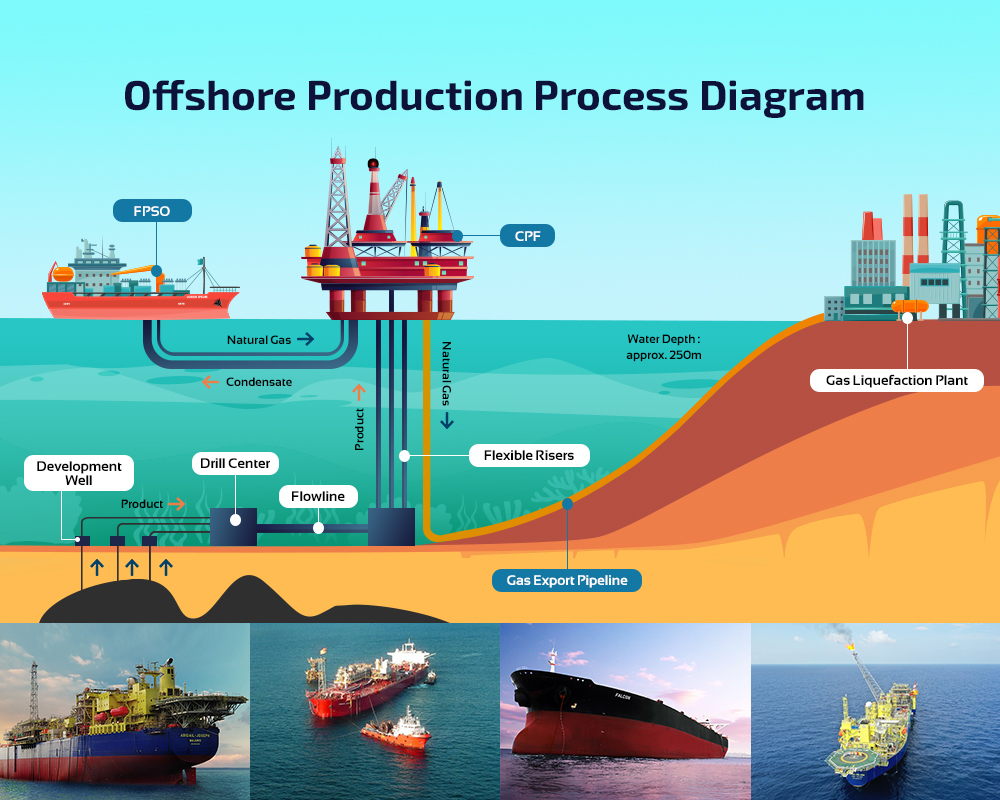
Fpso Floating Production Storage And Offloading

Ever wondered how we get oil from way out in the ocean, far, far away from land? Well, let me introduce you to the unsung heroes of the deep: FPSOs. Think of them as the ultimate all-in-one ocean oil rig – production plant, storage tank, and loading dock, all rolled into one massive, floating package!
Imagine your kitchen. You’ve got your stove (production), your pantry (storage), and maybe even a little conveyor belt system to get the food to the table (offloading). An FPSO does all that, but on a scale that would make even the most ambitious chef blush. It's basically a floating city dedicated to getting that precious oil from the seabed to your car.
So, What Exactly Is an FPSO?
FPSO stands for Floating Production Storage and Offloading. It’s a fancy acronym, but the idea is simple: These are huge ships or barge-like structures designed to float on the ocean and handle all the steps involved in getting oil and gas from underwater wells. They're like the Swiss Army knives of the oil and gas industry, tackling a multitude of tasks in one go.
Must Read
Think of it this way: If an oil platform is like a fixed house built on the seabed, an FPSO is a houseboat, able to move around a bit more, especially important in areas with rough weather or where the oil deposits are spread out.
Why Should I Care About These Giant Floating Islands?
Okay, okay, I get it. "Oil rigs? That sounds boring!" But hold on a second. Think about it – pretty much everything around you, from the plastic in your phone to the gasoline in your car, relies on oil. FPSOs play a crucial role in making that happen. They’re a key part of the energy supply chain, and without them, accessing many of the world's oil reserves would be incredibly difficult or even impossible.

And here's something else to consider: FPSOs often operate in remote and challenging environments. They're out there battling storms, waves, and the general harshness of the open ocean to keep the world's energy flowing. That's pretty impressive, right?
How Do They Actually Work?
Alright, let's break down the process, step by step. Think of it as a giant underwater treasure hunt:
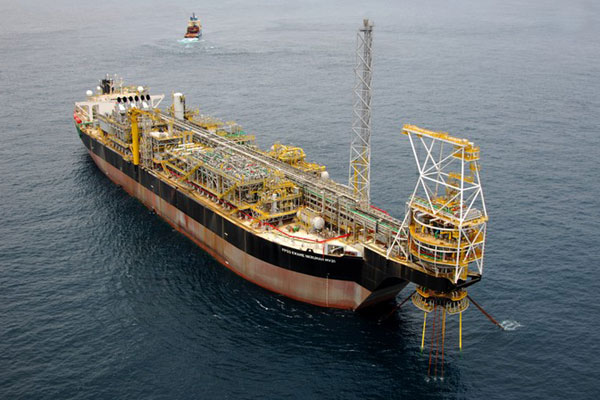
- Extraction: First, oil and gas are extracted from underwater wells. These wells can be connected to the FPSO via a network of underwater pipelines.
- Production: The extracted oil and gas aren't usually ready to go straight into your car. They need to be processed to separate the oil, gas, water, and other impurities. The FPSO has all the equipment needed for this refining process. It’s like a mini-refinery floating on the sea!
- Storage: Once the oil is processed, it needs to be stored. FPSOs have huge storage tanks built into their hulls, capable of holding millions of barrels of oil. That’s a lot of oil!
- Offloading: Finally, the stored oil needs to be transferred to tankers that will carry it to refineries on land. This is done through a system of hoses and loading arms, like filling up a giant gas tank in the middle of the ocean.
It's a complex process, but the key takeaway is that the FPSO handles everything – from pulling the oil out of the ground (or, in this case, the seabed) to getting it ready for transport.
The Future is Floating?
So, what's next for FPSOs? Well, as we continue to explore deeper and more remote offshore oil fields, FPSOs are likely to become even more important. They offer a flexible and cost-effective way to access resources that would otherwise be out of reach.
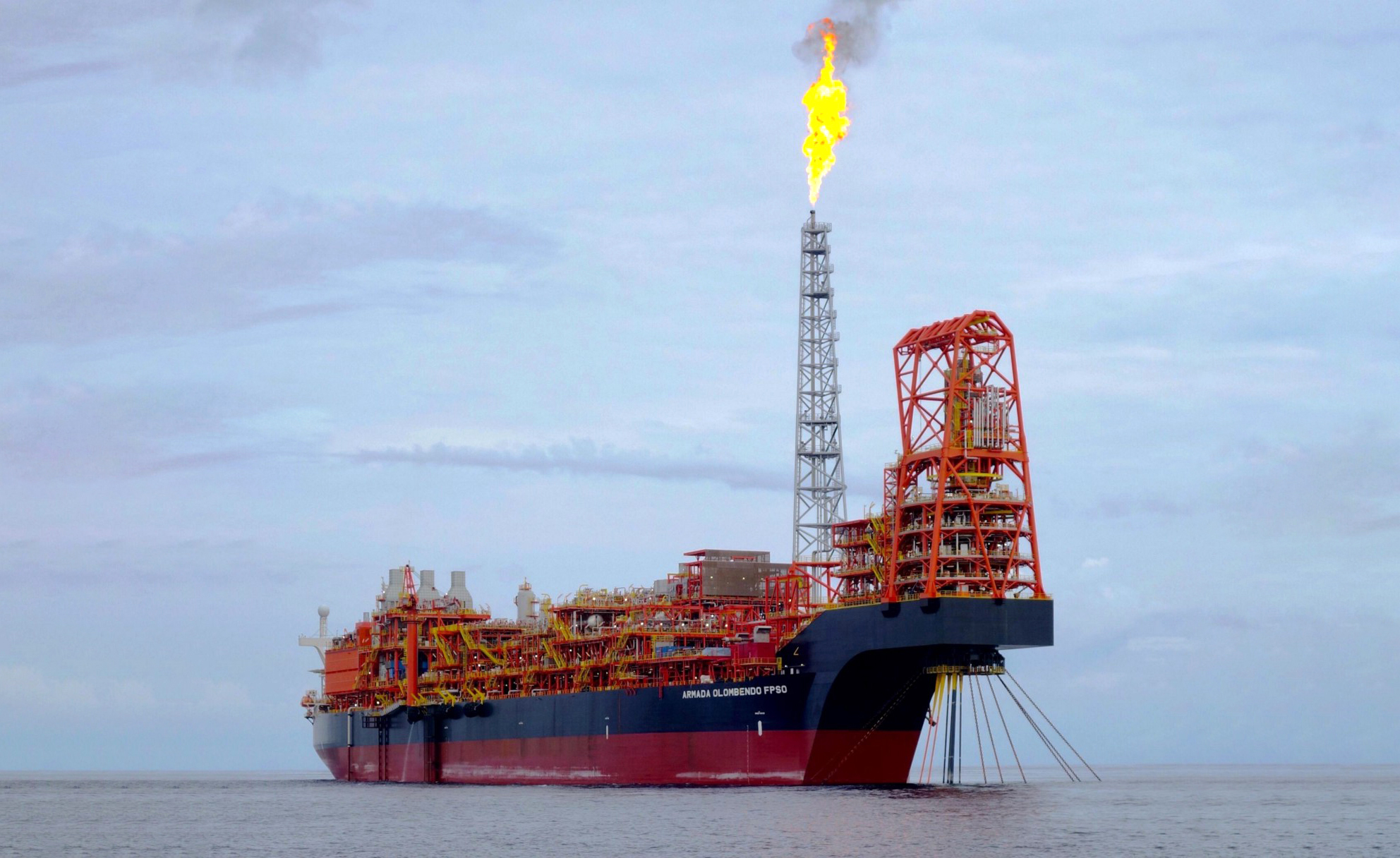
And it's not just about oil and gas. The technology and expertise developed for FPSOs are also being applied to other areas, such as offshore wind farms and even floating aquaculture farms. Who knows? Maybe one day we’ll have entire floating cities powered by renewable energy, all thanks to the innovative spirit that created the FPSO!
Next time you fill up your car or use a plastic gadget, take a moment to appreciate the unsung heroes of the ocean, the FPSOs, working tirelessly to keep the world running. They might just be the coolest (and most crucial) floating islands you've never heard of!