
Fossil Fuels How Much Is Left

Ever woken up, brewed a coffee, perhaps scrolled through your phone, and then hopped into a car or onto a train? It’s a pretty standard morning ritual for many of us, right? And behind almost every single one of those seemingly simple actions, there's a fascinating, complex story about energy. Specifically, a big chunk of that story involves something we call fossil fuels – the silent workhorses that power so much of our modern lives.
But here's a thought that sometimes pops up: how much of it is actually left? It’s a question that can feel a bit weighty, like trying to figure out how many episodes are left in your favourite binge-worthy series. Let’s dive in, keep it light, and unravel the mystery of our planet's energy pantry.
What Are We Talking About Anyway?
First off, a quick refresh. When we say fossil fuels, we’re mostly talking about coal, oil, and natural gas. Think of them as the earth's ancient energy storage system. They formed over millions of years from the buried remains of plants and animals, essentially sunlight from eons ago, condensed into highly potent energy packages. It’s like nature’s super-slow-cooker recipe!
Must Read
They’ve powered everything from the Industrial Revolution to our current digital age, fueling our cars, heating our homes, and even making the plastic in your phone case. Pretty wild, right?
The Big Question: How Much Is Left?
Alright, down to brass tacks. The idea of "running out" of fossil fuels is a common one, and it's a valid concern. However, it’s not as simple as checking a fuel gauge. There are a few nuances.
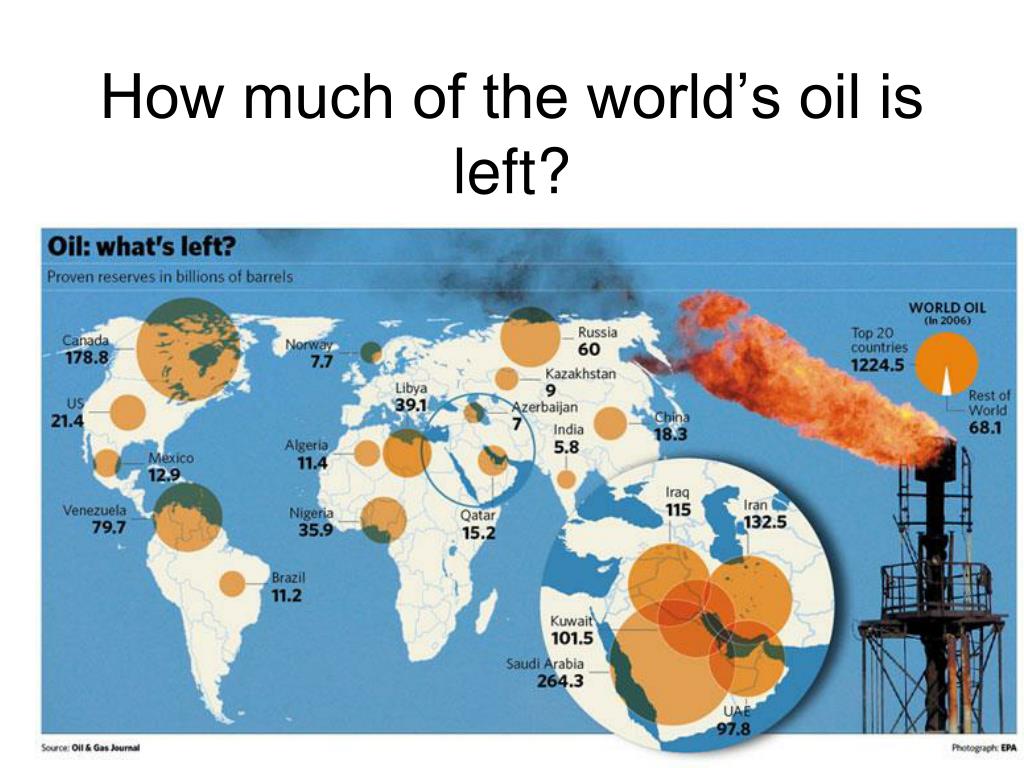
Scientists and economists often talk about two key terms: reserves and resources. Reserves are the amounts we know exist and can extract economically with current technology. Resources include everything else – potential deposits we haven't found yet, or those that are too expensive or difficult to get at right now. It’s a bit like knowing how many snacks are in your pantry (reserves) versus how many you could potentially find if you dug through the back of your fridge (resources).
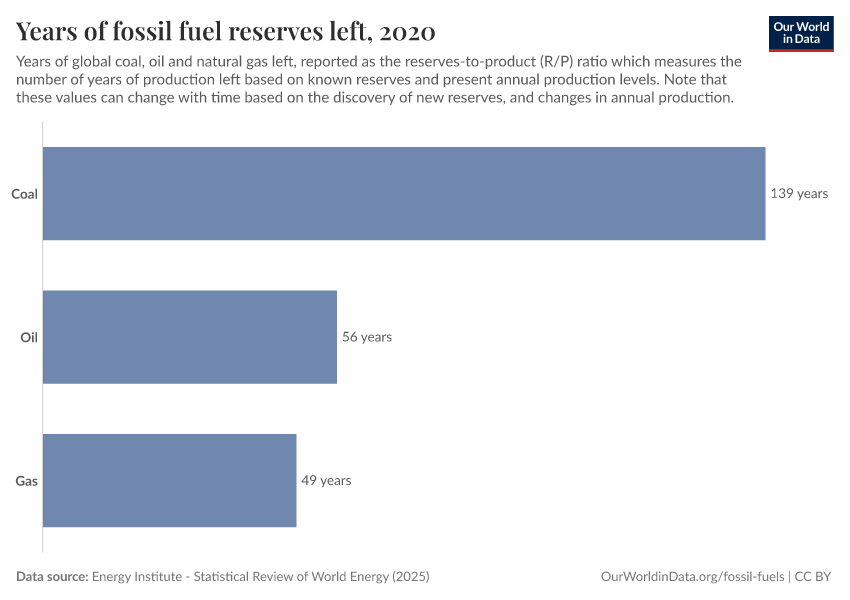
Based on current consumption and proven reserves, estimates vary, but broadly speaking:
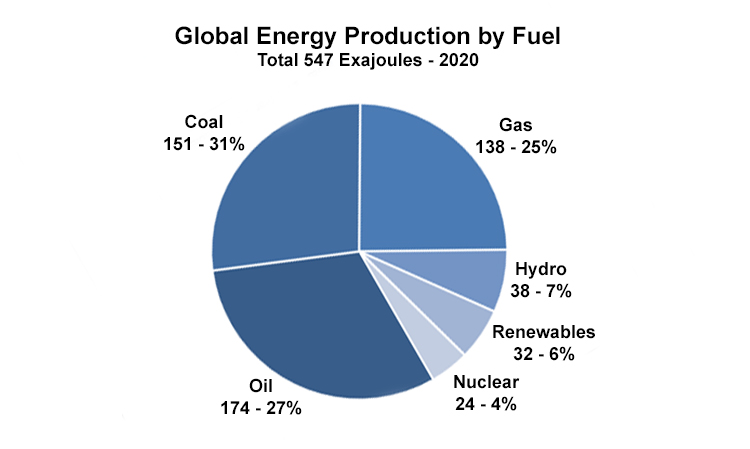
- Oil: Some experts suggest we have enough proven reserves to last for roughly 50 years at current consumption rates.
- Natural Gas: Looks a bit more robust, with estimates often around 50-70 years.
- Coal: This is the king of longevity among fossil fuels, with estimates ranging from 100 to 200 years, thanks to its sheer abundance.
Fun Fact: The amount of energy in one barrel of oil (about 42 gallons) is equivalent to the work of roughly 11 people working 24 hours a day for a whole year!
But here’s the kicker: these numbers are constantly changing. New discoveries happen, extraction technologies improve (making previously unreachable resources accessible), and consumption patterns shift. It's a moving target, not a fixed deadline. Think of it less as an empty tank and more as a dynamic inventory that requires a lot of smart management.
Why Does This Matter to Our Daily Lives?
Beyond the abstract numbers, the longevity of fossil fuels subtly impacts our wallets, our innovations, and even our weekend plans. When fossil fuel prices fluctuate, so do gas prices at the pump, heating bills, and even the cost of manufacturing everyday goods. It’s why companies are constantly looking for more efficient ways to do things, and why we see exciting advancements in electric vehicles (EVs) and renewable energy.
Remember that feeling of seeing a cool vintage car? It's a reminder of how much things have changed, and how much they're still changing. The energy landscape is evolving at warp speed, creating opportunities for a cleaner, more diversified future.

Sip, Save, Sustain: Practical Tips for Today
So, what can we do, right here, right now? While we're not personally going out to drill for oil, our daily choices collectively make a difference. It’s about being mindful without feeling overwhelmed.
- Home Energy Hero: Turn off lights when you leave a room. Unplug chargers and appliances when not in use (they still draw "phantom" power!). Adjust your thermostat a degree or two – a small change can lead to big savings.
- Commute Smart: Can you walk or bike for short trips? Explore public transport, carpool with friends, or plan your errands to reduce extra drives. Embrace the joy of the journey!
- Mindful Consumption: Think about the products you buy. Are they sustainably made? Do they have excess packaging? Supporting brands committed to greener practices sends a powerful message.
- Digital Detox, Energy Boost: Giving your phone or laptop a break isn't just good for your eyes; it indirectly reduces the energy needed to power data centres and charge devices. Win-win!
It’s not about perfection; it’s about progress. Every little bit counts, just like every step adds up on your fitness tracker.
A Little Reflection
The conversation around fossil fuels isn't about doom and gloom; it's about understanding our planet's resources and making smart choices for the road ahead. We live in an incredibly innovative era, where the push for sustainability is driving creativity and new solutions. Our morning coffee might still be brewed with grid power today, but the future is brewing up something new. By understanding where our energy comes from and making conscious choices, we're not just consumers; we're active participants in shaping a more resilient and vibrant future for everyone.