
Fossil Fuels As An Energy Source
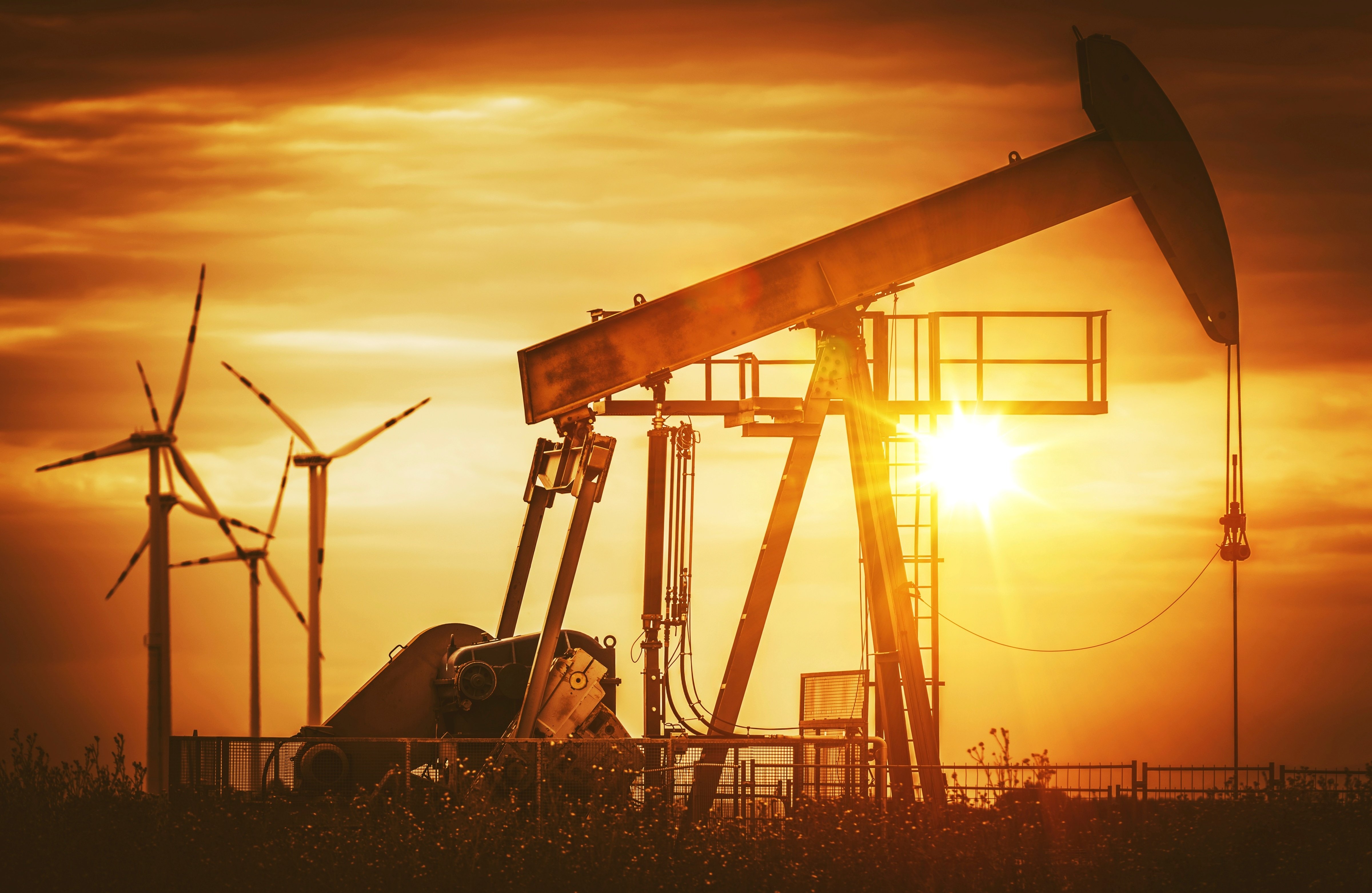
Ever woken up on a chilly morning, groggily stumbled to the thermostat, and cranked up the heat? Or maybe you've hopped in your car, turned the key, and zipped off to grab a coffee? If you’ve done any of these things, congratulations! You’ve just had a very personal, very everyday encounter with something pretty darn ancient: fossil fuels.
Think of fossil fuels as the planet’s super-concentrated, prehistoric energy drink. We’re talking about energy that’s been brewing for millions upon millions of years. Imagine dinosaurs roaming, plants growing wild, then everything eventually getting squashed, buried, and cooked under immense pressure and heat. Over geological epochs, all that organic goodness turned into what we now know as coal, oil, and natural gas. It’s like Mother Nature’s slow-cooker recipe for power!
And boy, do we love this stuff. It's been the undisputed heavyweight champion of our energy world for a long time. Why? Because it’s incredibly energy-dense and, until recently, pretty easy to get your hands on. We literally dig it out of the ground. It’s like finding a treasure chest of pure power, buried deep beneath your garden, if your garden was, you know, several miles deep and existed millions of years ago.
Must Read
Your Daily Dose of Dino Power
Let’s talk about how this ancient energy shows up in your day-to-day. That car you drive? Unless it’s electric (and even then, the electricity might come from fossil fuels!), it's probably slurping up gasoline, which is refined oil. That little combustion engine is basically a tiny, controlled explosion party, all powered by a liquid that was once a swamp monster's lunch. Pretty wild, right?
Then there’s your home. Ever flick a light switch? Bingo. Chances are, the power plant churning out that electricity is burning coal or natural gas. So when you’re binge-watching your favorite show, you’re essentially tapping into the sun’s energy from eons past, stored in the earth. It’s like having a direct line to a really old, really powerful battery.

And what about cooking your dinner? Many stoves run on natural gas. Heating your water for a nice, long shower? Yep, often natural gas again. It's so woven into the fabric of our lives, it's almost invisible. We just expect the lights to come on, the car to start, and the water to get hot. It’s the ultimate behind-the-scenes hero... or at least, it has been.
The Catch (There's Always a Catch, Isn't There?)
Now, like that super delicious, but slightly too indulgent, dessert, fossil fuels come with a bit of a downside. While they’ve powered our modern world with incredible efficiency and convenience, burning them releases things into the atmosphere. You know, like carbon dioxide and other fun stuff. Think of it like a car backfiring a little too much, but on a planetary scale. This is where those terms like "climate change" and "global warming" start to pop up.

So, while they’ve been the backbone of industrialization and our cozy modern lifestyles, we're realizing that relying on them indefinitely is like having an unlimited supply of your favorite candy – delicious, but maybe not the best long-term health strategy. We’ve learned a lot, and we’re getting smarter about finding other ways to get our energy fixes.
But for now, fossil fuels are still very much a part of our world. They keep our homes warm, our devices charged, and our daily commutes moving. So next time you flick a switch or fill up your tank, give a little nod to those ancient plants and critters. They’re still, in a way, fueling our adventures, one prehistoric puff at a time. It’s a powerful, if sometimes messy, legacy!

