
Flux Cored Wire Stainless Steel

Okay, picture this: I once had this brilliant idea to weld some custom stainless steel brackets for my outdoor kitchen. You know, give it that professional, sleek look. I’m thinking, "No problem, I’ve got my trusty MIG setup, gas bottle, solid wire… easy peasy."
Spoiler alert: It was anything but easy peasy. My welds looked like a flock of angry pigeons had decided to use my stainless as target practice. Black, crusty, full of porosity, and frankly, an insult to the beautiful metal I was trying to join. I was pulling my hair out, wondering if stainless steel just had a personal vendetta against my welding gun. You know what I’m talking about, right? That moment when you’re facing a material that just refuses to play nice.
That’s when I stumbled into the glorious world of
Flux Cored Wire Stainless Steel, and let me tell you, it was a proper “aha!” moment. It felt like I’d been trying to cut steak with a butter knife my whole life and someone just handed me a proper chef’s blade.
Must Read
The Stainless Steel Conundrum
First, let’s get real about stainless. It’s a fantastic material – shiny, corrosion-resistant, strong. But welding it? Oh boy. It’s got a few quirks. For one, it’s super sensitive to atmospheric contamination. Oxygen and nitrogen from the air love to rush in and react with the molten metal, causing porosity, ugly black oxides, and a weakened weld.
Plus, there’s the whole heat sensitivity thing. Too much heat, and you can mess with its corrosion resistance (carbide precipitation, anyone?). So, you need a clean, stable arc, good penetration, and protection from the nasty air.

Traditional solid wire MIG welding often relies on an external shielding gas, like argon or an argon/CO2 mix, to protect the weld puddle. And while that works well for many applications, stainless often demands an even more robust defense system, especially when conditions aren't perfect.
Enter the Flux-Cored Hero
This is where
flux-cored stainless steel wire swoops in, cape billowing. Instead of being a solid piece of metal, this wire is a metal tube filled with a magical concoction of flux materials. Think of it like a tiny, self-contained welding lab inside your wire.
When you strike an arc, this flux melts and does a few incredible things:
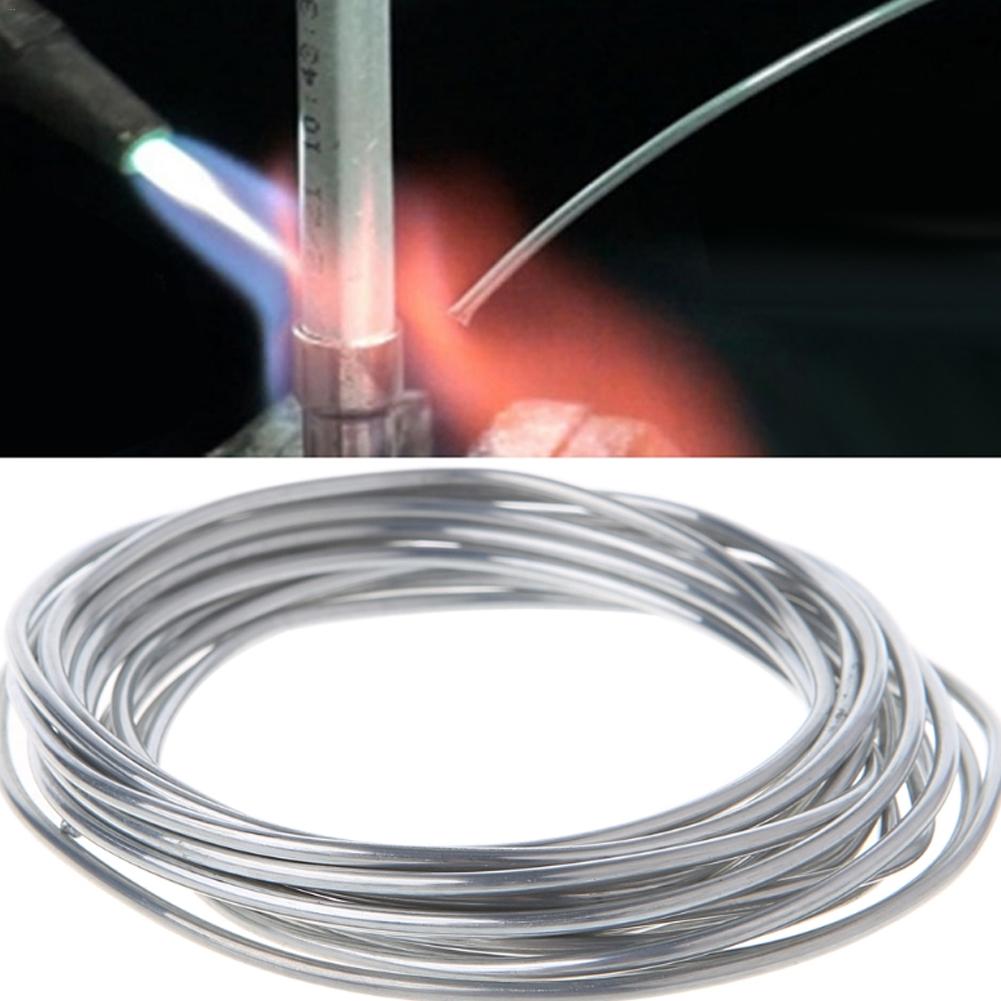
- Shielding Gas Generation: It creates its own gas shield right around the weld puddle. This is huge. It pushes away all that pesky oxygen and nitrogen, keeping your molten stainless pure and happy.
- Deoxidizers and Scavengers: The flux also contains ingredients that actively clean the weld puddle, pulling out impurities and leaving you with a much cleaner, prettier bead.
- Slag Formation: It forms a protective slag over the cooling weld. This slag further protects the weld from the atmosphere as it solidifies and helps shape the bead, especially in out-of-position welds. Ever tried to weld overhead with solid wire? It's like trying to juggle jelly. This helps immensely!
The result? Much better-looking welds, with less porosity and a significantly reduced chance of those ugly black oxides. For my BBQ brackets, it made a world of difference. The welds went from "what happened here?" to "hey, that actually looks pretty decent!"
Why It’s a Game Changer (Especially for Stainless)
Beyond the inherent protection, there are other perks:
- Better Penetration: Flux-cored wires often provide deeper penetration, which is great for thicker stainless sections.
- Higher Deposition Rates: You can often lay down more weld metal faster, boosting productivity.
- Outdoor and Drafty Conditions: Because the flux generates its own shield, it’s much more forgiving in windy or drafty environments where external shielding gas might just blow away. If you're welding on-site or in an open garage, this is a lifesaver.
- Out-of-Position Welding: The slag support makes welding vertical, overhead, or horizontal much easier and more manageable.
Now, not all flux-cored wires are created equal. Some are designed to be self-shielded (meaning no external gas needed!), while others are dual-shielded, requiring an external gas for optimal performance. For stainless steel, you'll most often find gas-shielded options that work in tandem with an argon-rich gas to give you the absolute best quality and appearance.
A Few Things to Keep in Mind
While it’s fantastic, it’s not a magic bullet for everything. You'll still need to:
- Clean Your Base Metal: Even the best wire can't fix rusty, greasy, or dirty stainless. Always prep your surfaces!
- Dial in Your Settings: Just like any welding process, proper voltage, wire speed, and stick-out are crucial.
- Deal with the Slag: You'll have slag to chip off, which can be a minor inconvenience compared to solid wire, but it's a small price to pay for the benefits.
So, if you’ve ever found yourself wrestling with stainless steel, getting frustrated with ugly welds, or just wanting a more robust, forgiving process, give
flux-cored stainless steel wire a serious look. It might just be the secret ingredient you’ve been missing to turn those frustrating projects into shiny, successful welds. Trust me, your stainless steel projects (and your sanity) will thank you for it!