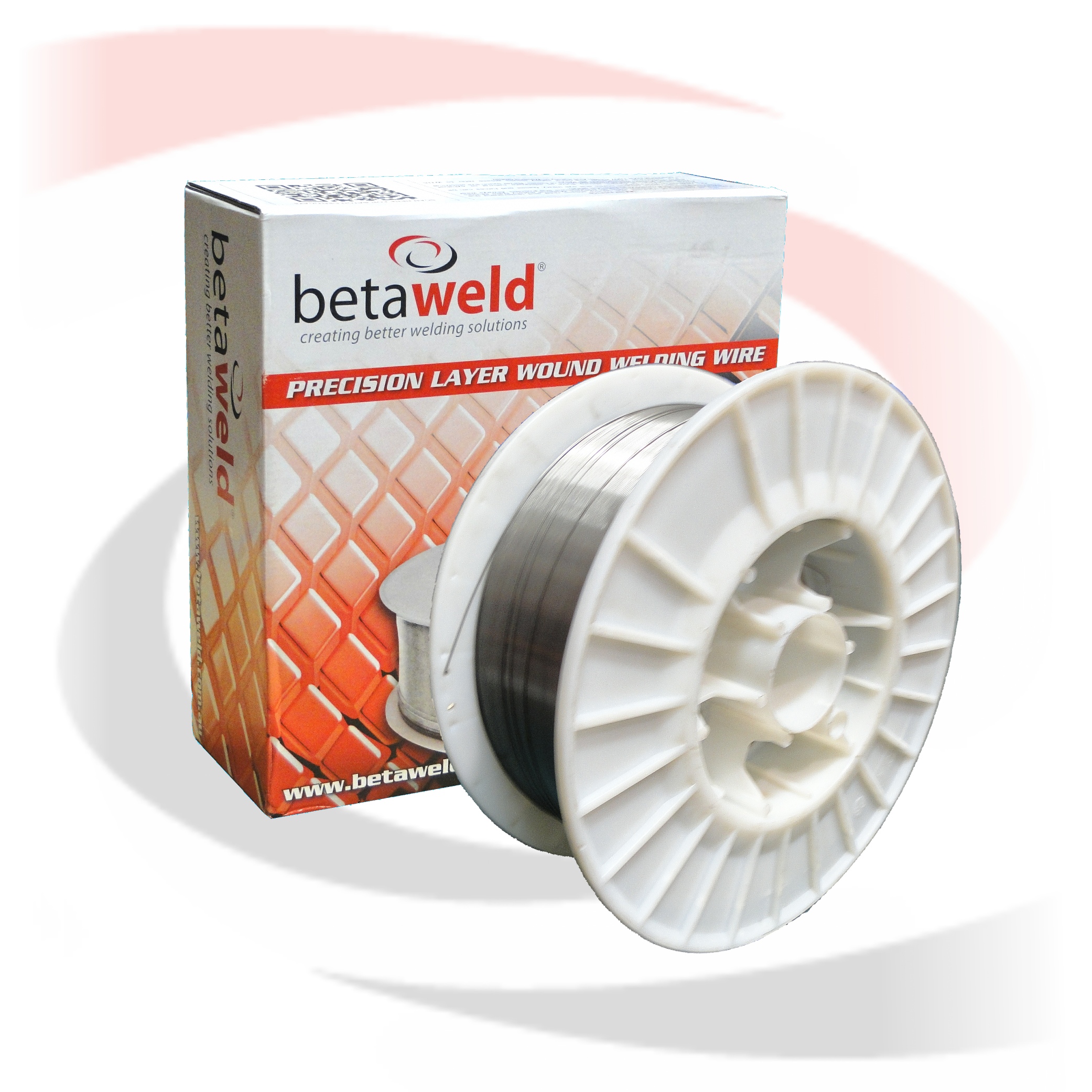
Flux Cored Stainless Mig Wire

You know that feeling, right? That crisp morning, the birds chirping, and you're all geared up to tackle a stainless project. Maybe it's a custom exhaust, a food-grade prep table, or, in my case, a particularly stubborn gate hinge for a buddy’s outdoor kitchen. I had my trusty MIG setup, a fresh roll of solid stainless wire, and a shiny, full bottle of 98/2 Argon/CO2 shielding gas. Everything was perfect… until the breeze kicked in. Not a gale, just a gentle, insistent whisper of wind. But oh, that whisper was enough to absolutely decimate my beautiful gas shield.
Every time I struck an arc, the gas would flutter away like a nervous butterfly, leaving my meticulously planned stainless welds looking like a porous, Swiss-cheese-inspired art project. I tried moving closer, building a makeshift windbreak out of old plywood, even attempting a bizarre huddle technique around the workpiece. Nothing worked. My patience, usually as robust as a 304 weld, was wearing thin. I remember standing there, exasperated, thinking, "There has to be a better way to weld stainless outdoors without needing a literal dome of silence around me!"
And that, my friends, is precisely where my journey into the intriguing world of flux cored stainless MIG wire really began. It’s like the universe heard my frustrated grumbles and whispered back, "Hey, try this!"
Must Read
So, What Even IS This Magic Wire?
Imagine your regular MIG wire, but instead of being solid all the way through, it’s actually a tiny tube. And inside that tube? A special blend of fluxing agents. Think of it as a little welding superhero with its own built-in sidekick. When you strike an arc and start welding, that flux gets to work. It vaporizes, creating its own protective gas shield around the weld puddle. Plus, it forms a slag layer on top, which further protects the cooling metal.
The best part? Because it generates its own shielding, you can often use this wire without external shielding gas at all, or with a much less critical setup. Mind. Blown.

Why You Might Love Flux Cored Stainless
Let's get down to the brass (or rather, stainless) tacks. Why would you even bother with this stuff when solid wire exists? Well, prepare for some serious perks:
- Wind? What Wind?: This is the big one for me, and probably for you if you've ever battled the elements. That internal flux is a fantastic bodyguard against drafts. Outdoor repairs, large structures, or even just a drafty shop become infinitely less frustrating.
- Deeper Penetration: The characteristics of flux-cored welding generally lead to deeper penetration. This means you often get stronger welds, especially good for thicker stainless sections where you need that extra oomph.
- Fewer Gear Woes: No gas bottle needed (or a smaller, less critical one), no gas regulator, no fussing with gas flow rates. It simplifies your setup significantly. Less to carry, less to go wrong.
- Versatility: It's great for fabrication where you need strong, corrosion-resistant welds, but maybe the aesthetics aren't the absolute top priority. Think structural components, frames, heavy-duty enclosures.
But Let's Be Real: It's Not a Unicorn
Now, before you go tossing your gas bottle out the window, let’s talk about the practical realities. Flux cored stainless isn't without its quirks. It's important to set realistic expectations, because nothing is truly perfect in welding, right?
- Slag Happens: Remember that protective slag layer? Well, it needs to be chipped off after welding. It's an extra step, and if you’re used to clean solid-wire MIG, it might feel a bit old-school.
- The Spatter Factor: While modern flux-cored wires have improved significantly, you might still experience a bit more spatter compared to solid wire. This means more cleanup post-weld, which can be a pain on polished stainless.
- Fumes Are Real: The flux creates fumes. Always, always, always ensure good ventilation when welding, but especially with flux-cored wires. Your lungs will thank you.
- Appearance vs. Strength: While strong, the weld bead might not be as smooth and aesthetically pleasing as a perfectly laid solid wire TIG or MIG bead. If mirror-finish, zero-imperfection appearance is your absolute priority, this might not be your go-to.
Who Should Give This a Shot?
If you're a hobbyist who wants to dabble in stainless without investing in a full gas setup, or an outdoor fabricator constantly battling the wind, then this wire is calling your name. If you're building a stainless boat railing that's going to get abused by the elements, or repairing a piece of agricultural equipment, this could be your new best friend. It bridges a gap, offering a robust and convenient way to weld stainless in conditions where solid wire just throws up its hands in defeat.
So, the next time you find yourself wrestling with a stainless project in less-than-ideal conditions, or just want to try something new, consider giving flux cored stainless MIG wire a whirl. It might just save your sanity, and definitely save you from making Swiss cheese welds!