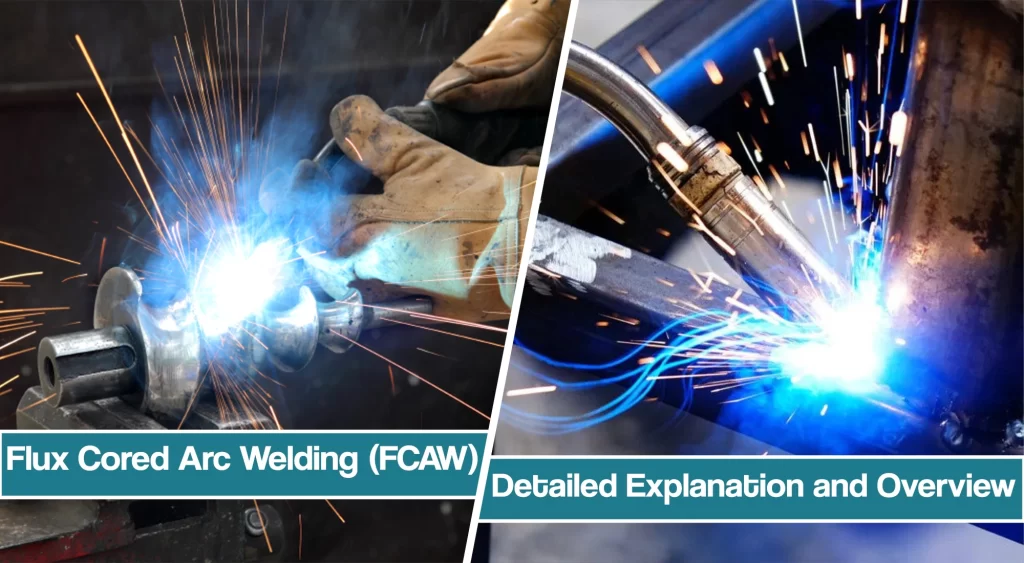
Flux Cored Arc Welding Fcaw

There’s something undeniably captivating about joining two pieces of metal, transforming them into a single, unyielding entity. It’s a primal act of creation and repair, a skill that turns raw materials into something new and strong. While many welding methods exist, one particular technique holds a special place in the hearts of builders, fixers, and artists alike for its rugged charm and versatility: Flux Cored Arc Welding, or FCAW.
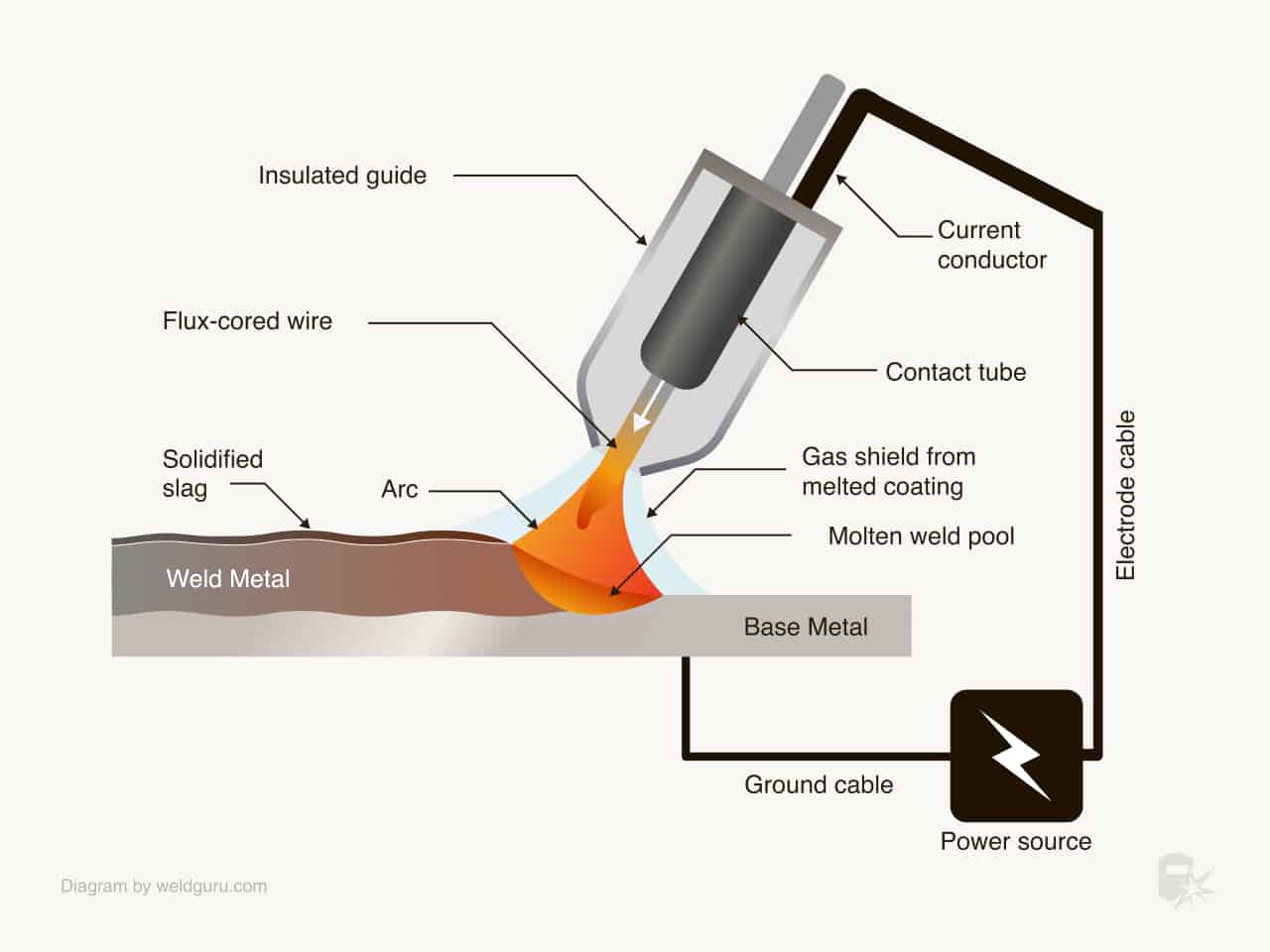
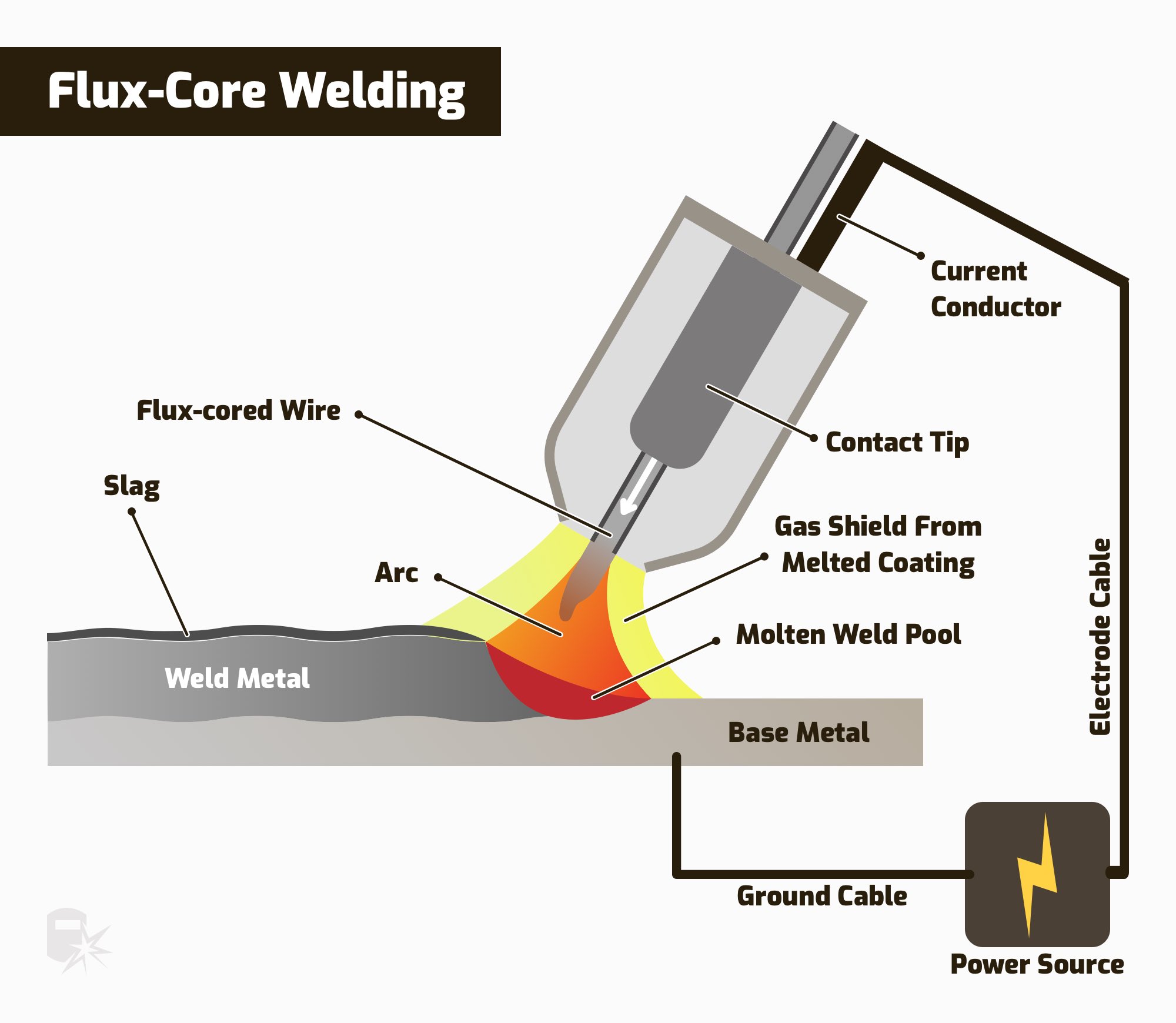
Why do people love FCAW? Imagine needing to fix a wobbly fence gate, repair a sturdy garden trailer, or even construct an ambitious metal sculpture – all without the hassle of a bulky gas cylinder or the need for a perfectly clean, indoor environment. That's where FCAW shines! It’s the go-to choice for a multitude of tasks because it comes with its own built-in bodyguard: a flux core within the wire that melts to create a protective gas shield, keeping atmospheric contaminants away from your molten weld puddle. This means you can often weld outdoors, even in a breeze, and on metal that isn't absolutely pristine – a massive advantage in real-world scenarios.
The benefits of FCAW ripple through everyday life in countless ways. That sturdy steel frame supporting your office building? Chances are, FCAW played a crucial role in its construction. The heavy machinery used to build our roads, the robust farm equipment tilling our fields, and even custom metal art adorning public spaces often owe their existence to the power of FCAW. For the weekend warrior or the professional fabricator, it provides the ability to create durable, high-quality welds quickly and efficiently. It’s less sensitive to wind than traditional MIG welding and doesn't require an external shielding gas, making it a truly portable and practical solution for a wide range of applications, from repairing rusty vehicle frames to fabricating new components for an industrial plant.
Must Read
So, you’re ready to dive into the fiery dance of FCAW? Here are a few practical tips to help you enjoy it more effectively. First and foremost, safety is paramount. Always wear appropriate Personal Protective Equipment (PPE): a welding helmet with the correct shade, heavy-duty gloves, a flame-resistant jacket, and safety glasses. FCAW can be a bit spattery, so proper protection is non-negotiable! Second, don't fear the sparks and smoke; that's just the flux doing its job. Focus on your technique: maintaining a consistent travel speed and a steady arc length. Many welders prefer a "drag" or "pull" motion with FCAW, pushing the molten puddle ahead of the arc, but experiment to find what feels right for you and your joint. Finally, like any skill, practice makes perfect. Start with simple test pieces, adjust your wire speed and voltage settings, and observe how different parameters affect your weld beads. The more you weld, the better you'll become at reading the puddle and creating those beautiful, strong bonds that define the art of welding.