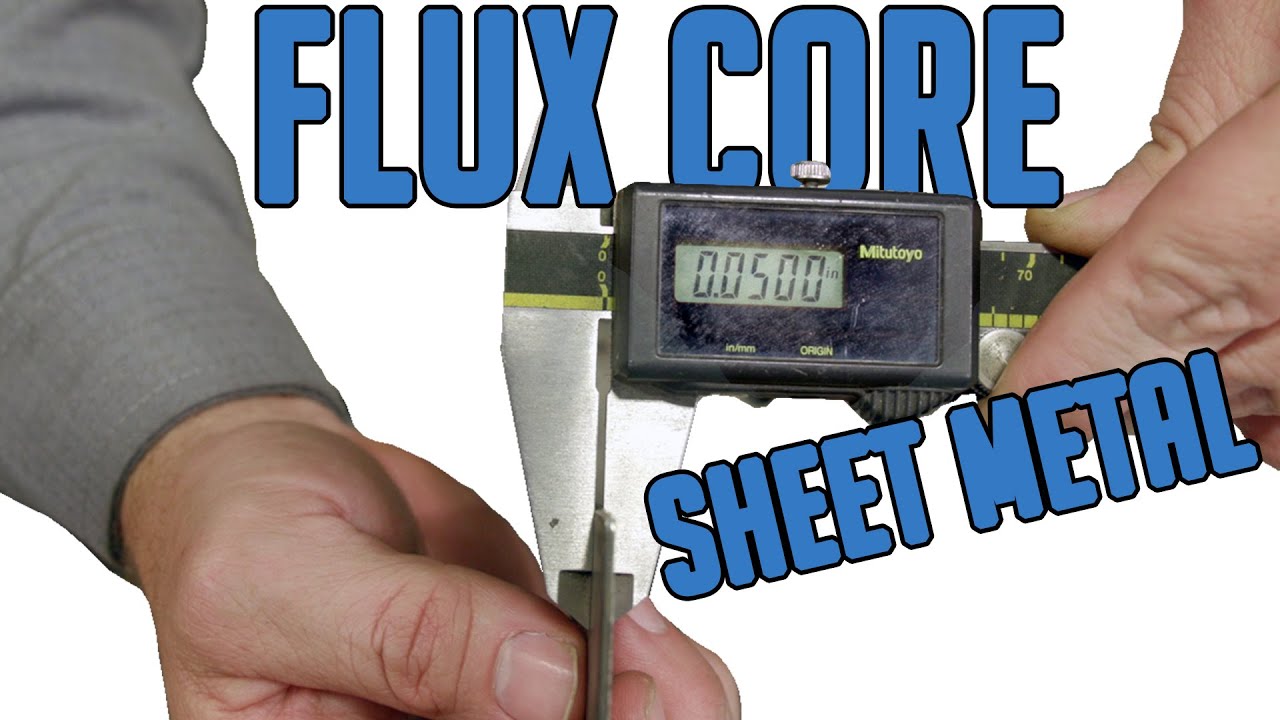
Flux Core Welding Sheet Metal
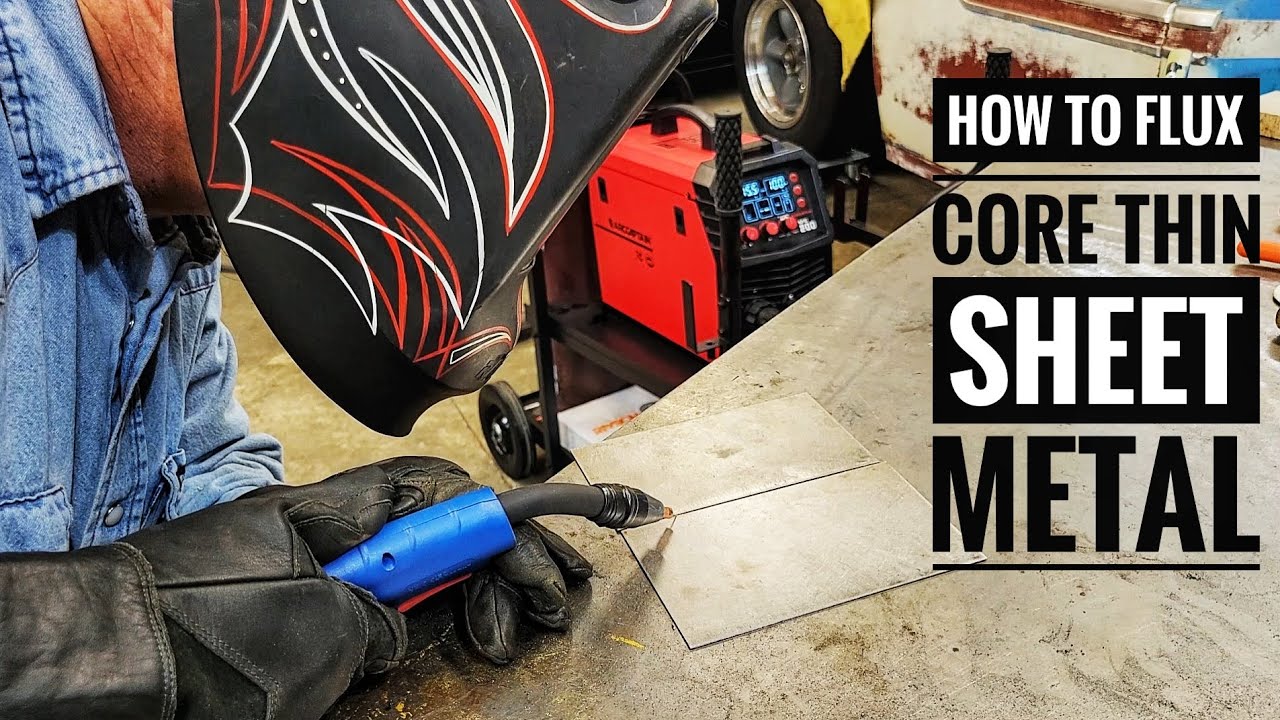
Have you ever looked at something made of metal and wondered how it all came together? Or perhaps you’ve eyed a small tear in your garden shed, a rusty patch on an old car fender, or dreamed of crafting a unique metal sculpture? If the idea of joining metal pieces together sparks your curiosity, then allow me to introduce you to a fascinating and surprisingly accessible skill: Flux Core Welding Sheet Metal.
This isn't about intimidating industrial machinery or needing a complex setup. Think of it as a gateway into the world of metal fabrication, a skill that's both practical and incredibly rewarding. Learning to weld, especially with flux core, opens up a realm of possibilities for fixing, creating, and even artistic expression, turning abstract ideas into tangible metallic realities. It’s an empowering feeling to know you can mend what’s broken or build something entirely new with your own hands.
So, what exactly is flux core welding, and why is it particularly useful for sheet metal? Simply put, flux core arc welding (FCAW) is a semi-automatic process that uses a continuously fed electrode wire containing a "flux" material. This flux, when heated, melts and creates its own protective gas shield around the weld puddle. This is a huge advantage because it means you don't need a separate gas tank like with traditional MIG welding, making your setup much simpler and more portable. For sheet metal – which is generally thinner, typically under 1/4 inch – flux core offers excellent penetration and can be quite forgiving, even on slightly less-than-perfectly clean surfaces, which is common in repair work.
Must Read
The benefits are clear: portability, ease of setup, and cost-effectiveness. You can take a small flux core welder almost anywhere, outdoors or in a breezy workshop, without worrying about wind blowing away your shielding gas. This makes it a fantastic choice for DIY enthusiasts, hobbyists, and even professional mobile repair technicians.

Where might you see or use this skill? In education, vocational schools and community colleges often introduce students to flux core welding as a foundational skill, preparing them for careers in fabrication, automotive repair, or even fine metal arts. In daily life, the applications are vast. Imagine patching a rusty floor pan on your vintage car, repairing a broken bracket on a trailer, or modifying thin gauge HVAC ducting. You could fabricate custom metal boxes for storage, repair a torn metal fence, create unique garden art, or even build small tables or shelving units. It’s perfect for those projects where you need to join thinner metals securely and robustly.
Ready to give it a try? Exploring flux core welding on sheet metal is more accessible than you might think. First and foremost, safety is paramount: always wear a proper welding helmet, gloves, a long-sleeved jacket, and closed-toe shoes. Watch some introductory videos on YouTube – there are countless excellent tutorials for beginners that demystify the process. Consider enrolling in a local weekend workshop or a community college course if available; hands-on instruction is invaluable. If you're eager to jump in, small, inexpensive flux core welders are widely available. Start by practicing on scrap pieces of thin steel sheet metal. Experiment with different settings and wire feed speeds to get a feel for the arc. Remember, welding is a skill that improves with patience and practice. Don't be discouraged by your first few wobbly beads – every experienced welder started somewhere. It's an incredibly satisfying journey into creating and repairing with metal!