
Flux Core For Stainless Steel
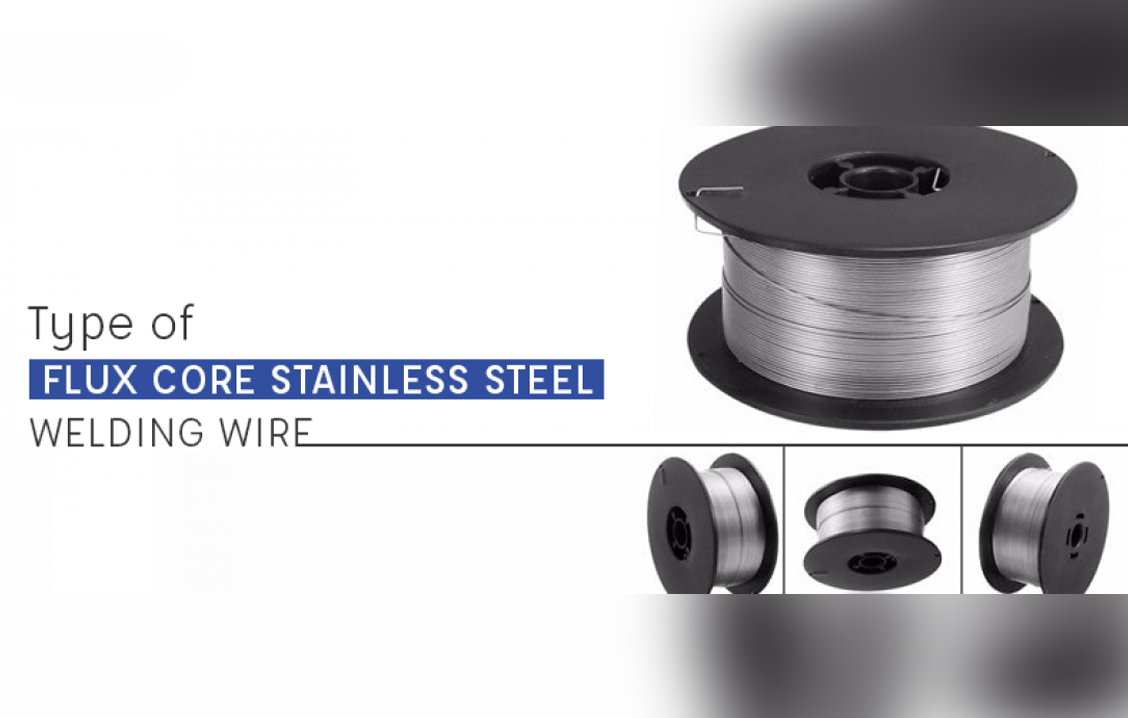
Hey there, grab a coffee! Today, we’re diving into a topic that might make some purists gasp, others nod knowingly, and a few just scratch their heads. We’re talking about flux core. And not just any flux core, but flux core for… wait for it… stainless steel.
Yeah, I know. It sounds a bit like trying to teach a cat to fetch, doesn’t it? Stainless steel, with its shiny, corrosion-resistant swagger, usually calls for the delicate touch of TIG or the steady hum of MIG with shielding gas. Flux core, on the other hand, is often the rugged, dirty workhorse. So, why even bring these two unlikely partners together?
Well, sometimes you're in a pinch, right? You’re out in the field, the wind is howling, and your gas bottle is giving you the side-eye because it’s almost empty. Or maybe you just have a flux core welder and a nagging curiosity. That little voice whispers, "Can it be done?"
Must Read
The Unholy Alliance: Why It's a Wild Ride
Let's be upfront: using flux core on stainless isn't exactly a match made in welding heaven. It's more like a chaotic but strangely compelling garage band trying to play classical music. There are a few reasons why it usually gets a polite, but firm, "No, thank you."
First off, spatter. Oh, the spatter! Flux core is notorious for its enthusiastic little sparks. On mild steel, you grind it off, no biggie. On stainless? That beautiful, polished surface will look like it went through a tiny, fiery hailstorm. And then you have to clean it, which is already a delicate dance with stainless to avoid future corrosion.
Then there’s the whole issue of contamination. Stainless steel is a clean freak. It needs purity. Flux core, by its very nature, uses flux (shocking, I know!) which leaves behind a slag. This slag, combined with the extreme heat input of flux core, can introduce all sorts of nasties. We’re talking about potentially forming chrome carbides, which basically rob your stainless of its superpower: corrosion resistance. Poof! Gone.

And let’s not forget heat. Stainless steel is very sensitive to heat input. Too much, and you get distortion that makes your piece look like a funhouse mirror. You also risk "sugaring" on the backside – an ugly, crumbly oxidation that screams, "I abused this stainless!" Flux core, being a generally hotter, faster process, often struggles with this delicate balance.
When You Might (Begrudgingly) Consider It
Okay, so it’s not ideal. We’ve established that. But life isn't always ideal, is it? So, when might you actually, gasp, consider reaching for that spool of flux core for a stainless job?
Mostly, it’s for field repairs where a gas-shielded process is simply impossible. Think structural, non-aesthetic applications. Maybe you’re fixing a broken stainless railing on a windy rooftop, and a temporary repair is better than no repair. Or perhaps it's a piece of equipment that just has to hold together until you can get it back to the shop for a proper TIG job. We’re talking about situations where functionality trumps beauty, and expediency trumps best practice.

It’s the "MacGyver" approach to welding. You’re not trying to create a masterpiece; you’re trying to prevent total structural collapse with a paperclip, some chewing gum, and a really stubborn attitude.
Tips for the Brave (or Desperate)
If you absolutely, positively must try this, here are a few things to keep in mind, you brave soul:
First, make sure you're using self-shielded flux core wire (FCAW-S). This is the kind that doesn't need external gas. There are flux-cored wires designed for stainless that do require gas (FCAW-G), but if you’re reading this, you’re probably looking for the no-gas option because of those field conditions we just talked about.

Second, polarity! For most self-shielded flux core, you'll want to run DC Electrode Negative (DCEN). That’s usually the setup where your ground clamp is positive and your stinger (or gun) is negative. But seriously, always double-check the wire manufacturer's recommendations. They know their stuff.
Third, think speed. You want to move quickly to minimize heat input. A faster travel speed helps to limit distortion and reduce the time the stainless spends in that super-heated, vulnerable zone where chrome carbides love to form. Don't dawdle!
Finally, prepare for a cleanup mission worthy of a superhero. You’re going to have slag, and you’re going to have spatter. You'll need a dedicated stainless steel wire brush – never use a brush that's touched mild steel, or you'll contaminate your stainless. Pickle paste (an acid cleaner) might be necessary for serious discoloration, but that’s another can of worms entirely, so maybe just stick to aggressive brushing and grinding, then a good passivation treatment if it's critical.
The Verdict: An Interesting Experiment, Maybe Not a Lifestyle
So, can you flux core weld stainless steel? Technically, yes, you can. Will it be pretty? Probably not. Will it retain its full corrosion resistance? Highly unlikely. Is it the recommended method? Absolutely not, unless you’re in a very specific, dire situation.
Think of it as the ultimate welding challenge. It's an experiment, a last resort, or a "just because I can" moment. For anything structural, aesthetic, or where corrosion resistance is paramount, stick to the tried and true methods – TIG or MIG with the right gas and filler. Your stainless will thank you, and your grinding arm will too!
But hey, if you ever find yourself out in the wild with only a flux core machine and a stainless repair, now you know it's not entirely impossible. Just don't expect miracles, and definitely send pictures! We're all curious about those chaotic garage band performances.