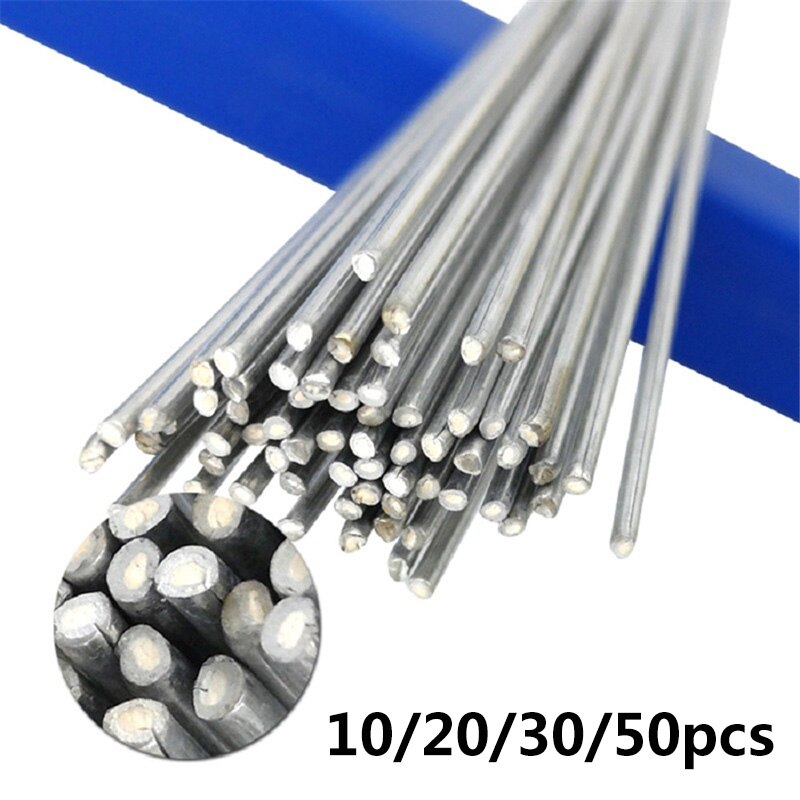
Flux Core Aluminum Wire Welding

Hey there, ever thought about welding? It’s one of those awesome skills that looks incredibly cool and, let's be honest, a little bit intimidating. Flames, sparks, super-hot metal – it's definitely got that "mad scientist" vibe. But what if I told you there’s a particular kind of welding that makes working with a notoriously tricky material like aluminum a whole lot more approachable? We're diving into the world of flux core aluminum wire welding, and trust me, it’s got some seriously interesting tricks up its sleeve.
Now, aluminum is fantastic, right? Light, strong, corrosion-resistant – it's everywhere from car parts to boats to fancy patio furniture. But welding it? That's historically been a bit of a challenge. Traditional methods often require a whole setup, including a big tank of shielding gas to protect the molten weld pool from the air. Think of it like trying to bake a cake in a hurricane; you need something to keep the elements out! This gas tank adds weight, cost, and complexity. It's like needing a designated co-pilot just to bring along an extra bottle of water on a short trip.
So, What's the Big Deal with Flux Core Aluminum?
Here's where it gets really neat. Imagine being able to weld aluminum without needing that bulky gas tank. That's the core (pun intended!) magic of flux core aluminum wire welding. Instead of an external gas protecting your weld, the protection comes from inside the wire itself. It’s a bit like a self-contained superhero, carrying its own shield right along with it.
Must Read
This "self-shielding" ability is a game-changer for a few reasons that make it incredibly cool and surprisingly accessible, especially for hobbyists or those doing quick repairs.
No Gas, No Problem: The Freedom Factor
The most obvious perk? Portability! Without a heavy cylinder of argon or mixed gas, your welding setup becomes much lighter and easier to move around. Think about it: traditional aluminum MIG welding often means lugging around a welder, a work cart, and that hefty gas bottle. It’s like bringing a full-sized kitchen to a picnic. Flux core aluminum? More like a well-packed lunchbox. You can take your machine to different corners of your workshop, out into the driveway, or even to a friend's place for a quick fix without breaking your back or needing a pickup truck.
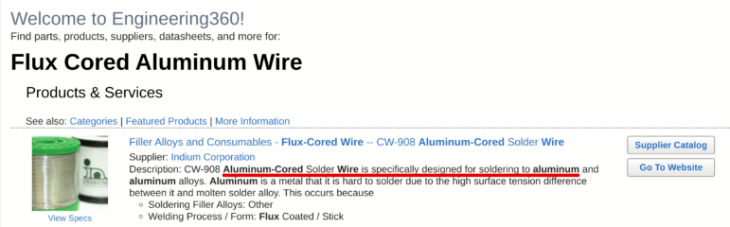
This freedom also extends to where you can weld. Ever tried traditional gas-shielded welding outdoors on a breezy day? It’s a nightmare! The wind just laughs at your efforts, blowing away your precious shielding gas and leaving your weld exposed and ugly. But with flux core, the internal flux melts and creates a protective slag layer and a cloud of fumes that act as its own "mini-atmosphere" around the weld. It’s like having a personal force field that doesn’t care if it’s gusty outside. This means outdoor repairs on aluminum fences, boat trailers, or even car parts suddenly become a whole lot more feasible, turning what was once a workshop-bound task into something you can tackle almost anywhere the wind blows.
Simplicity and Cost-Effectiveness
Beyond portability, there's a lovely layer of simplicity. Fewer components mean less to set up, less to go wrong, and less to maintain. You just load your special flux core aluminum wire, make sure your machine is set up correctly for aluminum (which usually involves specific drive rollers and a good liner to prevent the soft aluminum wire from kinking), and you’re almost ready to go. It reduces the barrier to entry, making aluminum welding feel less like a complex industrial process and more like a straightforward task.

And let's talk about the wallet. Shielding gas isn't free. Those tanks need to be refilled or exchanged, and that adds up over time. With flux core, once you've bought your spool of wire, you're pretty much good to go for a while. For someone who only needs to weld aluminum occasionally, or for smaller projects, this can represent a significant cost saving. It's like choosing a subscription service where you pay once for the content you need, instead of a recurring monthly fee for something you only use sporadically, saving your budget for other exciting tools or project materials.
What's the Catch? (Because there's always a little catch!)
Okay, so it sounds amazing, right? And it is! But it’s not without its quirks. One thing you'll notice pretty quickly is that flux core welding, in general, tends to be a bit... messier. The melting flux creates a slag layer that needs to be chipped or brushed off after welding. This is different from gas-shielded welds, which often leave behind a much cleaner, smoother bead. So, if you're aiming for those mirror-smooth, aesthetically perfect welds you see in professional fabrication shops, flux core aluminum might not be your first choice. Think of it as robust and functional, rather than gallery-ready art. It’s more like a sturdy, handmade clay pot with charming imperfections than a delicate porcelain vase demanding pristine precision.

Also, due to the nature of the flux, you'll generally experience more smoke and fumes than with traditional MIG. Good ventilation is always crucial in welding, but it's especially important with flux core processes. And while many modern MIG welders can handle flux core wire, welding aluminum wire itself (even flux core) requires specific machine adjustments like a proper spool gun or a specific U-groove drive roller to feed the soft aluminum wire without crushing it. So, while it simplifies the gas aspect, it doesn't eliminate all setup considerations.
The Bottom Line: A Cool Tool for the Right Job
Ultimately, flux core aluminum wire welding is a fantastic addition to the DIYer's or small shop's toolkit. It opens up the world of aluminum fabrication and repair in a way that’s less daunting, more portable, and often more cost-effective for specific tasks. It won't replace traditional gas-shielded MIG for every application, especially where pristine aesthetics are paramount, but for jobs that prioritize convenience, outdoor capability, or simply getting the job done without a mountain of equipment, it truly shines.
So, the next time you're looking at a busted aluminum bracket or dreaming of building something light and strong, don't dismiss the power of that humble little spool of flux core aluminum wire. It might just be the quiet hero you never knew you needed, ready to tackle those aluminum challenges without a fuss, and without a single gas tank in sight!