Flex Pipe Exhaust Repair Cost

There's a certain quiet satisfaction that comes with driving a car that purrs, a machine that moves with a gentle hum rather than a cacophony of rattles and roars. We all enjoy that feeling of a smooth, serene journey, where the only sounds are your favorite tunes or lively conversation. But what happens when that peaceful ride turns into something akin to a tin can being dragged down the highway? Often, the culprit is a failing exhaust system, and more specifically, a worn-out flex pipe.
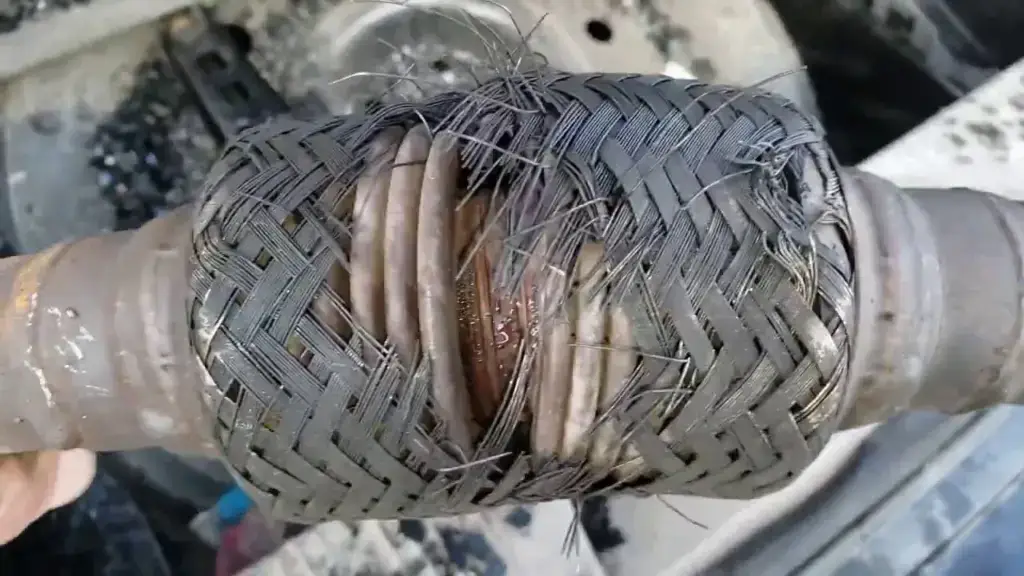
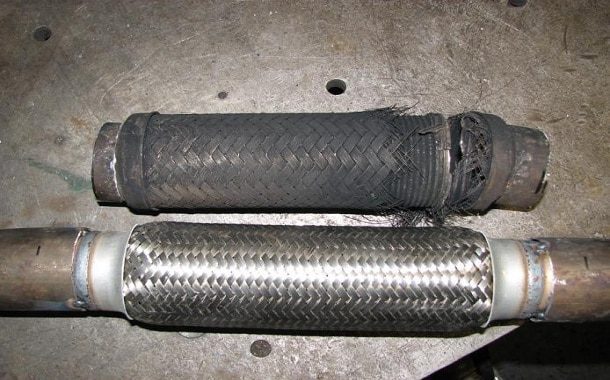
You might not even know you have one, but this seemingly small component plays a huge role in your car’s comfort and performance. The flex pipe is essentially a flexible, corrugated section of pipe, often woven with stainless steel braiding, located in your exhaust system, usually close to the engine. Its primary purpose? To absorb the intense vibrations produced by your engine, preventing them from shaking the entire exhaust system – and by extension, your car's body – to pieces. It allows for the natural movements between the engine and the chassis, making your ride significantly quieter and smoother. Without a healthy flex pipe, your car would feel like it's vibrating apart, creating excessive noise and undue stress on other exhaust components, leading to premature failure of anything from hangers to catalytic converters.
You’ll find these crucial connectors in most modern vehicles, from compact sedans to heavy-duty trucks and SUVs. They're typically situated where the exhaust manifold meets the rest of the exhaust system, right where those engine vibrations are at their peak. It’s an unsung hero, ensuring that exhaust fumes are safely routed away and that your vehicle meets crucial emissions standards, all while keeping your cabin a pleasant, fume-free zone.
Must Read
So, how can you enjoy your ride more effectively and keep that flex pipe (and your wallet) happy? The key is early detection and smart maintenance. First, listen to your car. A loud, raspy exhaust, a persistent rattling from underneath, or even the smell of exhaust fumes inside your cabin are all red flags. Don't ignore these signs! A failing flex pipe can lead to exhaust leaks, which are not only noisy and annoying but can also be dangerous if fumes enter the passenger compartment. It can also cause your vehicle to fail emissions tests.
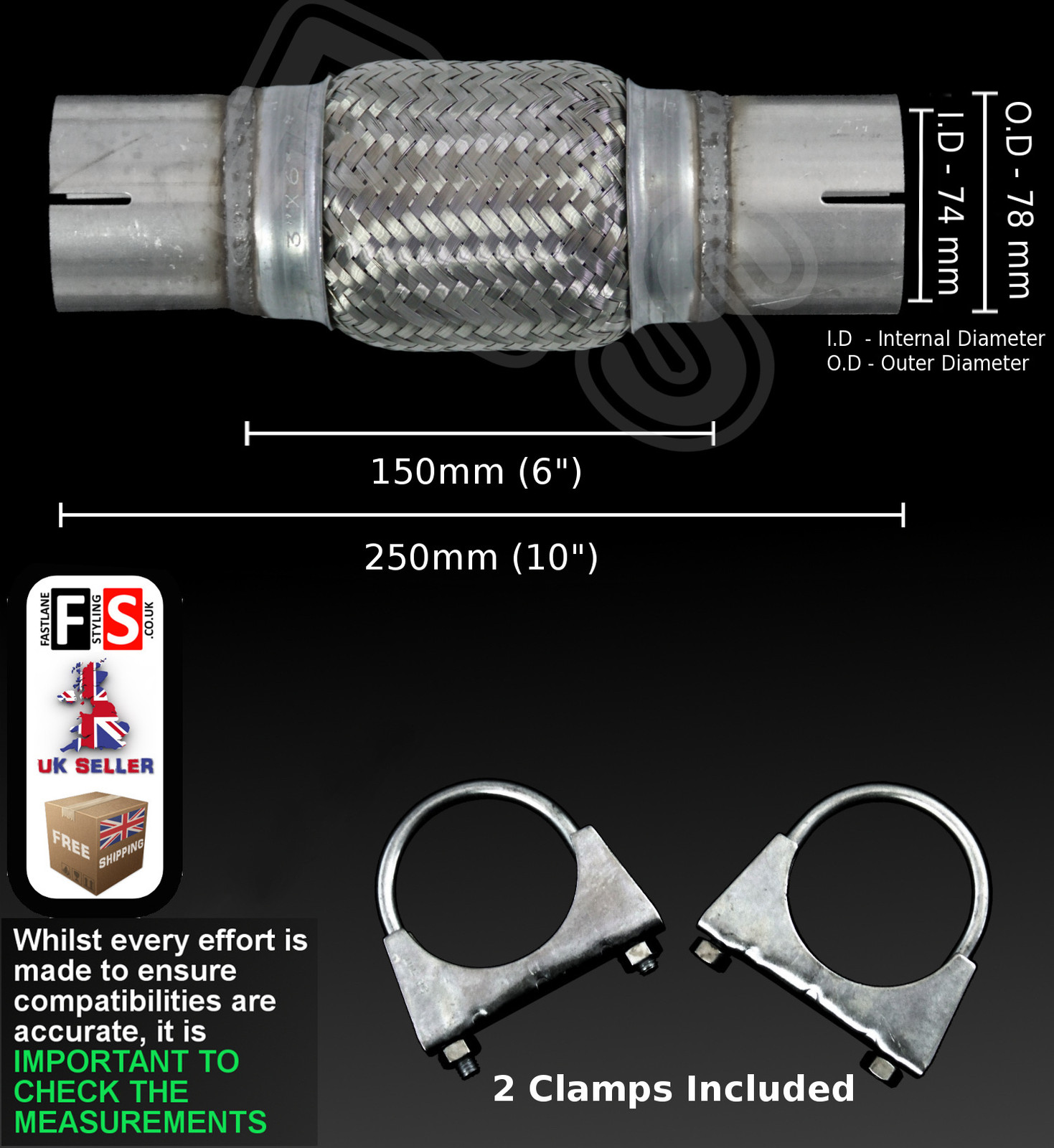
When it comes to flex pipe exhaust repair cost, there are a few avenues. A full exhaust system replacement can be pricey, but often, only the flex pipe itself needs attention. The most common and cost-effective repair involves cutting out the old, damaged flex pipe and welding in a new universal flex pipe. This can range from $100 to $300 for parts and labor, depending on the mechanic, your vehicle's make and model, and how easily accessible the pipe is. Sometimes, if the surrounding exhaust pipe is heavily rusted or damaged, a larger section might need to be replaced, pushing costs higher, possibly between $300 and $700+. Always get a few quotes from trusted independent mechanics – they often offer better value than dealerships for exhaust work.
To keep costs down and extend the life of your flex pipe, consider asking your mechanic to give your exhaust system a quick once-over during routine oil changes. Promptly addressing minor issues can prevent them from escalating into more expensive repairs. And remember, driving smoothly and avoiding rough roads or large potholes that could scrape the underside of your car will also go a long way in protecting this vital component, ensuring you continue to enjoy that peaceful, purring ride for years to come.