Five Steps Of The Engineering Design Process
Ever built a really awesome sandcastle, a surprisingly sturdy birdhouse, or even just figured out the perfect way to stack your dishes? Guess what? You've already dabbled in the world of engineering! The Engineering Design Process isn't just for scientists in labs; it's a super useful, and surprisingly fun, way to solve problems, big or small. It's like a recipe for innovation, and once you understand the steps, you can use it to tackle almost anything.
So, why is this process helpful? Well, for beginners, it's a structured way to approach challenges, preventing that overwhelming feeling of "where do I even start?". For families, it's a fantastic framework for collaborative projects, encouraging teamwork and creative problem-solving. And for hobbyists, it's a powerful tool for refining your crafts, making them more efficient, durable, or just plain cooler! Whether you're designing a new garden layout or optimizing your gaming setup, the Engineering Design Process can guide you.
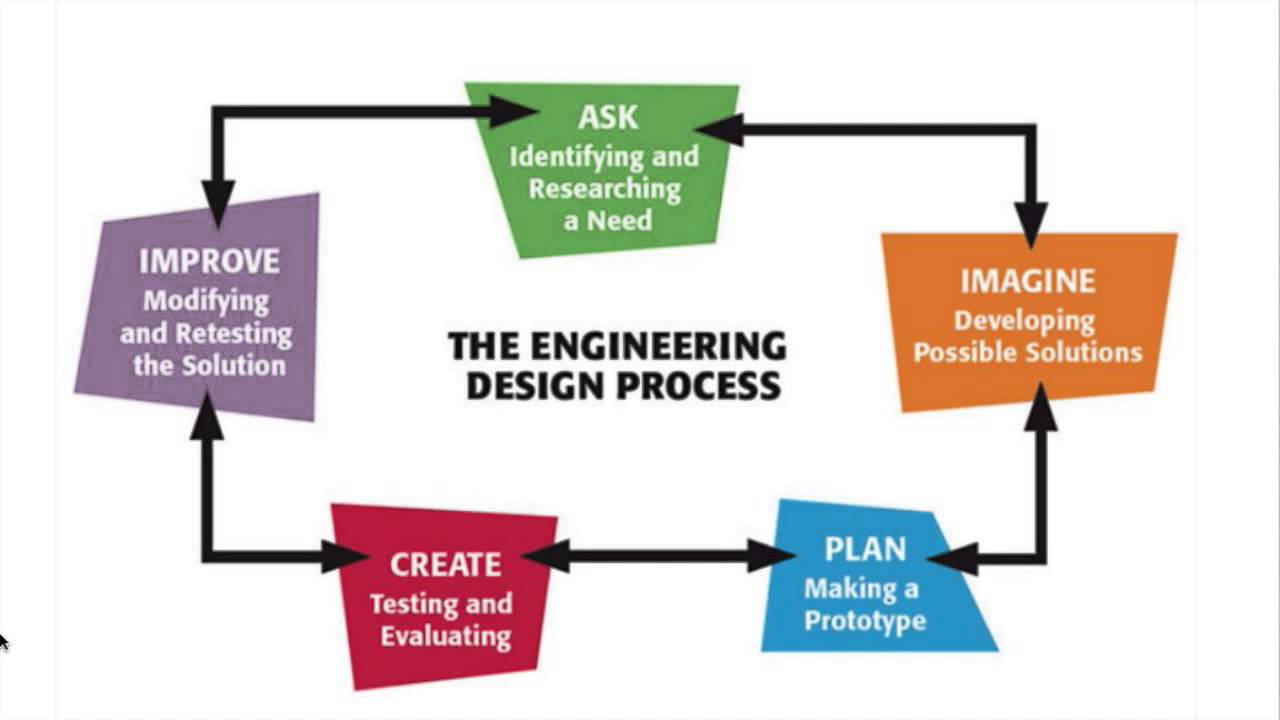
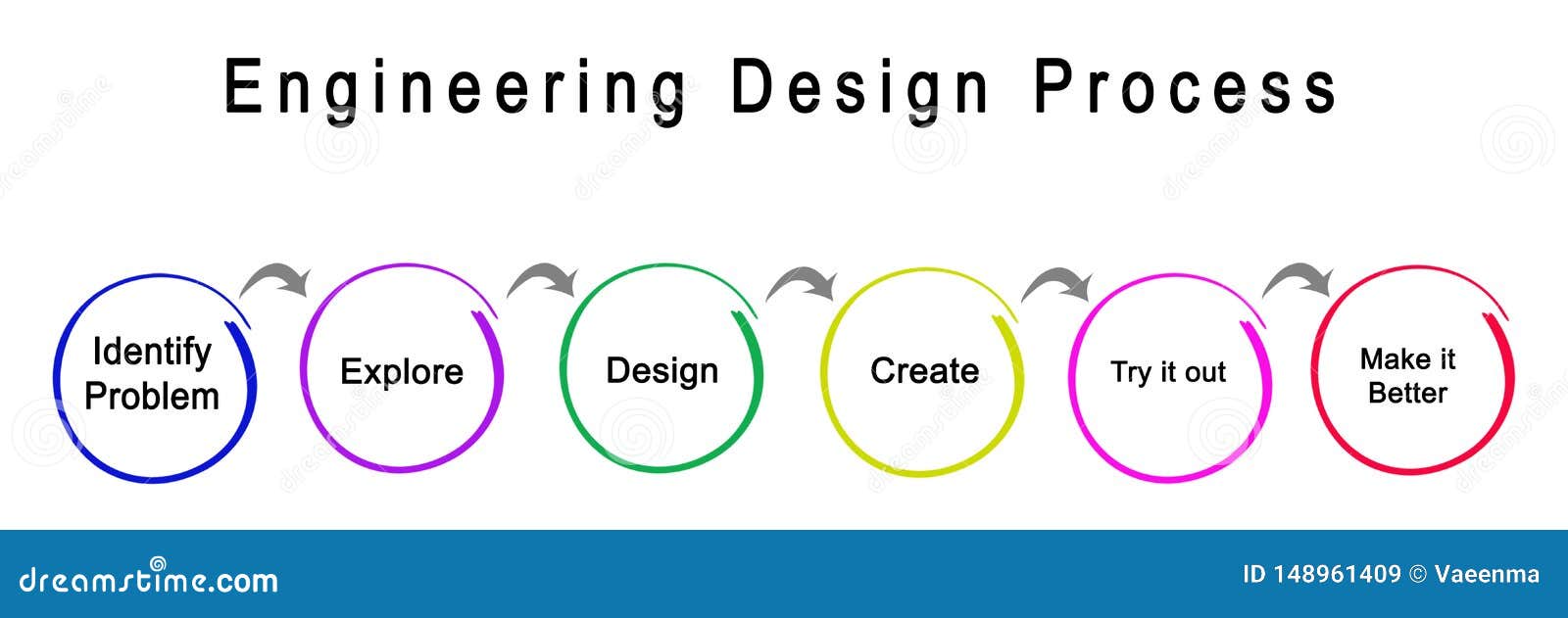
Here are the five key steps to get you started:
Must Read
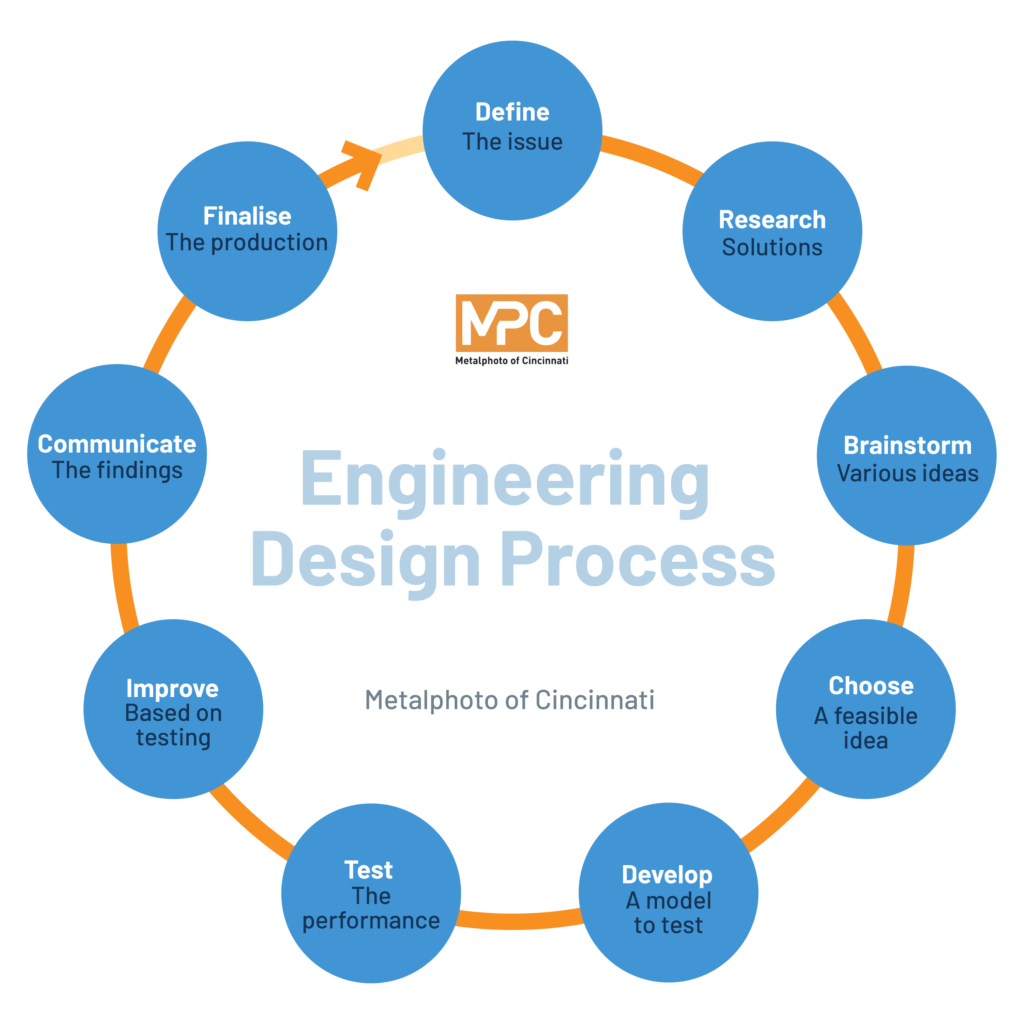
- Define the Problem: What exactly are you trying to solve? Be specific! Instead of "My bike is slow," try "My bike is slow going uphill." This focuses your efforts.
- Brainstorm Ideas: Get creative! Think of as many solutions as possible, even the silly ones. No idea is too out there at this stage. Maybe you need a lighter bike, stronger legs, or even an electric motor (okay, maybe that is a little out there for now!).
- Design and Build: Choose the best idea (or a combination of ideas) and create a plan. Then, build a prototype or a model. This could be a detailed sketch, a computer simulation, or a physical construction. For our bike example, you might start by adjusting the gears.
- Test and Evaluate: Does your solution work? Test it thoroughly and collect data. Did the gear adjustment make a difference going uphill? Be honest! If it didn't work, that's okay – it's part of the process.
- Improve and Redesign: Based on your testing, make changes and improvements. This is where the magic happens! If adjusting the gears didn't work, maybe you need to look at tire pressure, or even consider those stronger legs. Keep iterating until you're happy with the result.
Here are some simple tips to get started:
- Start Small: Don't try to solve the world's problems on your first try. Focus on a manageable project.
- Document Everything: Keep a notebook or digital document to record your ideas, designs, and test results. This will help you learn from your mistakes and track your progress.
- Don't Be Afraid to Fail: Failure is a learning opportunity! Embrace it and use it to refine your approach.
- Collaborate: Work with others to get different perspectives and ideas.
The Engineering Design Process is more than just a set of steps; it's a way of thinking. It empowers you to tackle challenges with confidence and creativity. So, grab a problem, gather your tools, and get ready to design your way to a solution. You might be surprised at what you can accomplish, and you'll definitely have some fun along the way!