
First Alert Carbon Monoxide Detector Beeps

Imagine this: You're nestled on the couch, maybe binge-watching your favorite show or finally getting around to that book you've been meaning to read. The house is quiet, peaceful, perfect. Then, out of nowhere, a chirp. Just one. You probably think, "Huh?" And then, a few minutes later, chirp. Louder this time.
Now you're playing detective, wandering the house, trying to pinpoint the culprit. More often than not, the prime suspect is your trusty First Alert Carbon Monoxide Detector. Those little devices, often tucked away on a wall or sitting discreetly on a shelf, are silent guardians... until they decide to make themselves heard. And when they do, it can be a mix of annoyance, curiosity, and sometimes, a pang of "Oh no, what now?!"
The Annoying Beep (and what it usually means)
Most of the time, those beeps aren't a five-alarm emergency. They're usually more of a gentle nudge, a little digital "Psst!" from your device.
Must Read
Low Battery Beep: The Whiny Remote Control
This is probably the most common culprit. It's that single, isolated beep every 30-60 seconds. Think of it like your TV remote control giving up the ghost in the middle of a nail-biting scene. Or your phone, flashing that dreaded "low power" warning just when you're about to take the perfect selfie.
Your CO detector is just letting you know it's running on fumes and needs a fresh set of batteries, stat! It’s a very polite, albeit persistent, request for a snack. Changing them is usually a breeze – a quick pop open, swap, and voilà! Silence (and safety) restored.
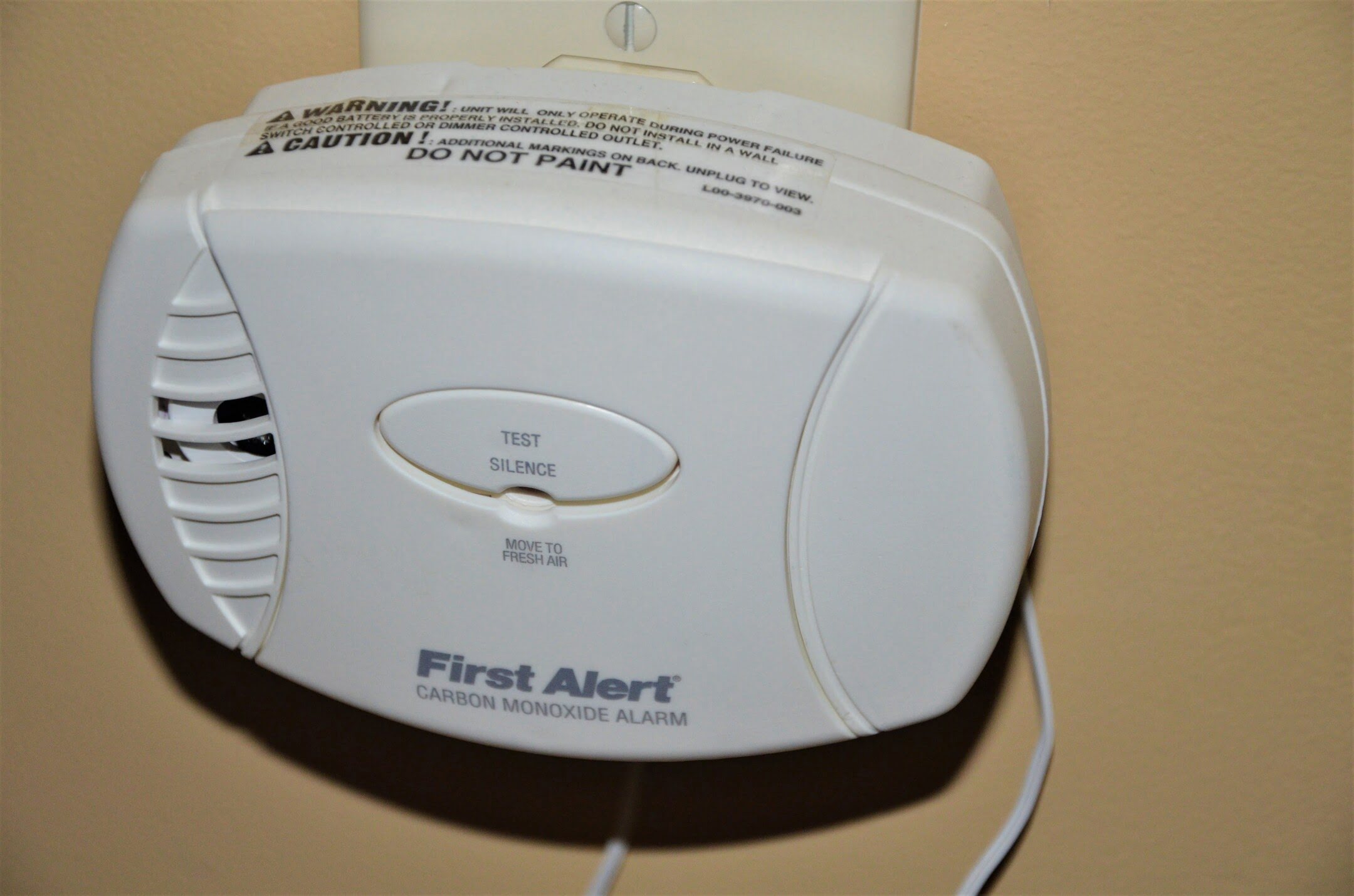
End-of-Life Beep: The Old Dog Who's Done with Tricks
Now, this one can be a bit trickier. After about 5-7 years (check your specific model, but it’s usually around that timeframe), your CO detector reaches the end of its useful life. It's done its duty, stood its watch, and is now ready for retirement.
This "end-of-life" beep is typically a series of five quick beeps every minute or so. It’s like an old, trusty car finally deciding it's had enough mileage, or that ancient flip phone that just refuses to hold a charge anymore. It's not faulty; it's just finished. And when it signals its retirement, it's time to replace the whole unit. Trying to change the batteries won't help here; it’s a full-on farewell.
The Serious Beep (and why it's a big deal)
Okay, so we've covered the common, "don't panic" beeps. But what about the real alarm? The one that means business? This is usually a much louder, more urgent, and continuous series of four rapid beeps, repeated every few seconds. This isn't a "psst," this is a "HEY! PAY ATTENTION!"
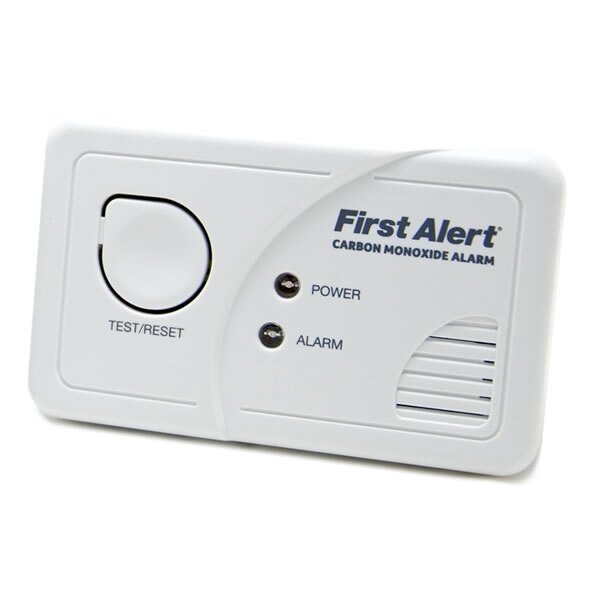
What is Carbon Monoxide (CO)? The Invisible Ninja!
Carbon Monoxide (CO) is a truly sneaky gas. It's completely odorless, colorless, and tasteless. You can't see it, you can't smell it, you can't taste it. That's why it's often called the "silent killer." It's like an invisible ninja in your home, sneaking around, ready to cause trouble without anyone knowing it's there. It comes from things like faulty furnaces, gas stoves, fireplaces, or even car exhaust seeping in from an attached garage.
Why is it Dangerous? It Sneaks Up On You!
When CO is present, it quietly displaces oxygen in your blood. Initially, you might feel a bit sluggish, maybe a headache, dizziness, or nausea – symptoms often mistaken for the flu or just being tired. But as exposure continues, it can become very serious, leading to unconsciousness, brain damage, and even death. Think of it like trying to breathe underwater, but you don't even realize you're doing it until it's too late. That's why your First Alert detector is so crucial; it's the only way to know if this invisible danger is lurking.

What to do if it's the Serious Beep: Act Fast, Stay Calm!
If your CO detector is blaring that urgent, four-beep alarm:
- Don't ignore it! Every second counts.
- Get everyone out of the house immediately. Grab pets, too! Treat it like a fire drill.
- Don't go back inside for anything.
- Once safely outside, call 911 (or your local emergency number). Let the professionals handle it. They have the equipment to safely detect and remove CO.
- Don't just open windows. While that might seem logical, it's safer to evacuate first.
Why You Should Care: Your Home's Guardian Angel!
We get it, another thing to worry about, right? But seriously, caring about your CO detector is like caring about wearing a seatbelt in the car, or putting a helmet on your kid when they ride a bike. It's a simple, proactive step that offers massive peace of mind.
Imagine enjoying a cozy Sunday morning with pancakes, or a movie night with the family, knowing that there's an invisible shield protecting you. Your First Alert detector isn't just a gadget; it's a tiny, dedicated guardian angel for your loved ones – human and furry alike. It's there to catch the invisible ninja before it ever gets a chance to cause harm. It’s about protecting those precious moments and the people who make your house a home. It's one of those "better safe than sorry" situations that actually feels really good because you're actively ensuring your family's safety.
Tips and Tricks for Happy Beeps:
To keep your CO detector happy and doing its job:
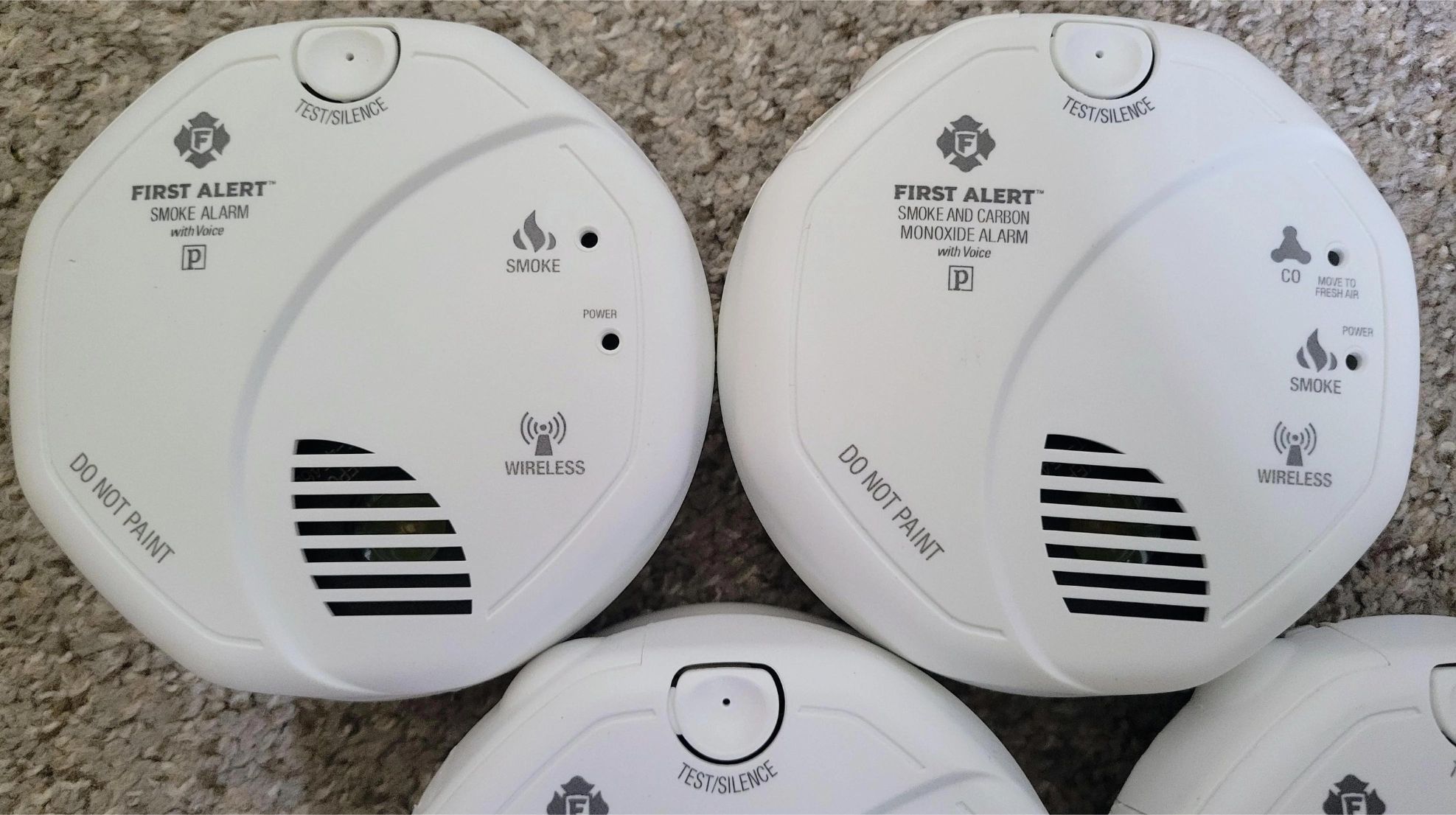
- Test it regularly! Press that "test" button once a month. It's like giving it a little check-up. You'll hear the alarm, which confirms it's working.
- Know its birthday. Look for the manufacturing date on the back of the unit. Mark it on your calendar or set a reminder. When it gets close to that 5-7 year mark, start planning its replacement.
- Have fresh batteries on hand. Keep a pack of the correct size batteries (usually AA or 9V) in a drawer. When it chirps for low battery, you won't be scrambling.
- Place them correctly. Follow the instructions, but generally, place them near sleeping areas and on every level of your home.
Conclusion:
So, the next time your First Alert Carbon Monoxide Detector starts beeping, don't just roll your eyes. Take a moment. Is it a gentle "I need batteries!" chirp? Or a "time for retirement" series of five beeps? Or is it that urgent, life-saving "danger!" alarm? Knowing the difference can save you a headache (literally!) and potentially, much more.
These little devices are truly champions of home safety. They may be a bit noisy sometimes, but they're always looking out for you, quietly protecting your peace, your people, and your pancakes. Give them a little love (and fresh batteries!), and they'll keep on safeguarding your happy home.