
Fire Alarm Control Panel Installation
Ever been in a building and heard that distinctive BEEP BEEP BEEP? Or perhaps seen those little red boxes and flashing lights around? We often take them for granted, those silent guardians watching over us. But have you ever stopped to wonder what's really going on behind the scenes? What makes everything tick?
That's where the Fire Alarm Control Panel (FACP) comes in, and trust me, it's way cooler than it sounds! Think of it as the brain of the entire fire safety system, the ultimate multi-tasker, constantly vigilant so you don't have to be.
The Brain Behind the Blare: What is a FACP?
At its core, a Fire Alarm Control Panel is the central hub, the nerve center for all things fire safety. It’s not just a fancy box; it's a sophisticated computer system designed to listen, react, and keep everyone safe. When we talk about installing one, we’re essentially giving a building its very own, highly intelligent, fire-fighting assistant. Pretty neat, right?
Must Read
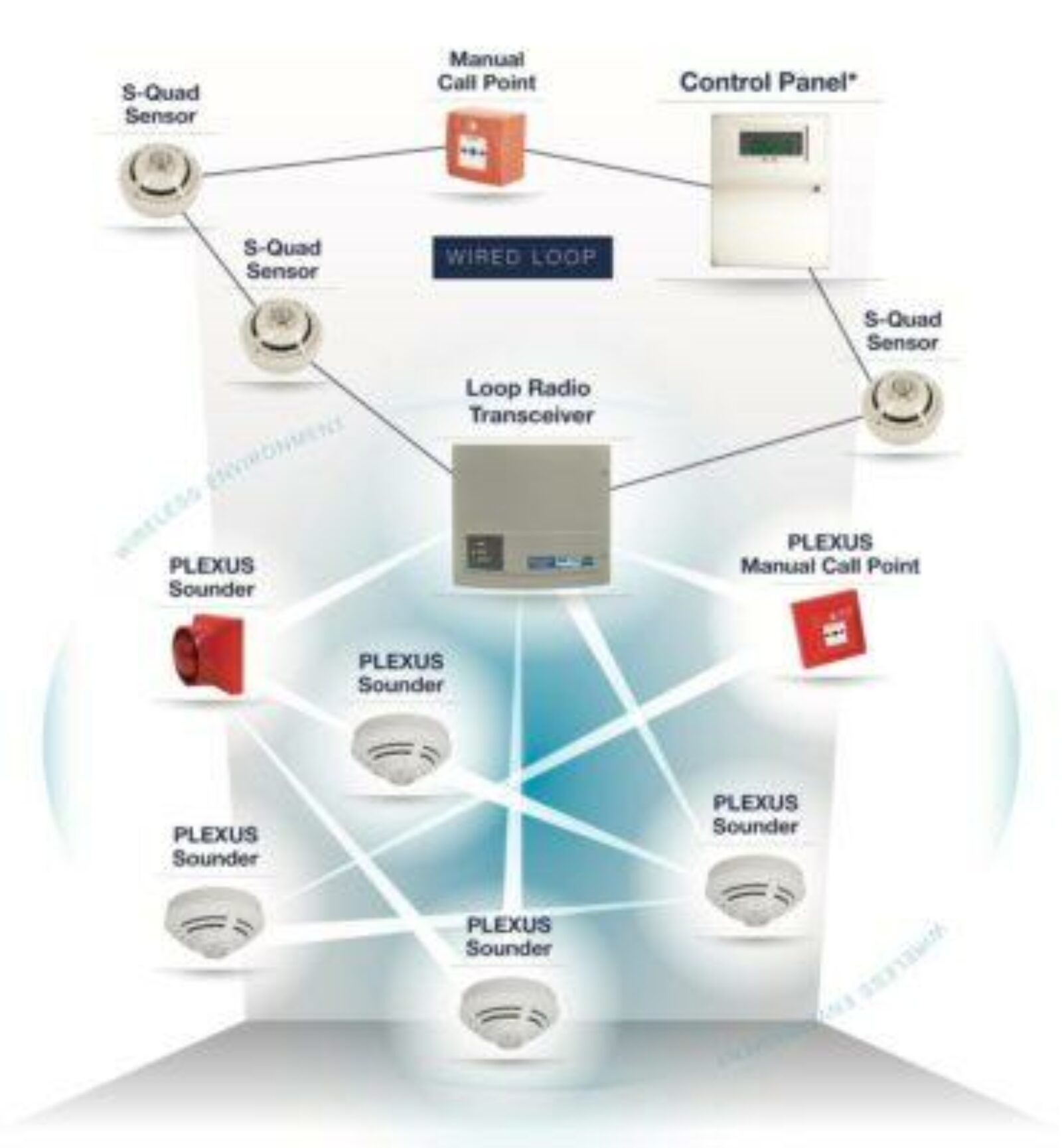
It collects information from all the different fire alarm devices – like smoke detectors, heat sensors, and pull stations – then decides what to do. Should it sound the alarm? Call the fire department? Unlock doors? It’s making these decisions in a flash.
Why It's Surprisingly Cool to Install One
You might think installing a fire alarm panel sounds a bit… dry. But peel back the layers, and you'll find a world of fascinating connections and clever engineering. It's like building a high-tech nervous system for an entire building!

1. The Master Planner's Blueprint
Before any wires are run, there’s a whole lot of planning. This isn't just slapping a few devices on a wall. It’s like designing a super-secret agent's communication system, where every sensor, every speaker, and every command point needs to be strategically placed. Where are people likely to be? What kind of risks are present? An installer isn't just a technician; they're a bit of a detective and a strategist too, making sure the system has eyes and ears everywhere.
This initial design phase, mapping out where every single device will go and how it will talk to the FACP, is incredibly important. It’s the difference between a system that merely exists and one that truly performs when seconds count.
2. The Web of Wires: Building the Nervous System
Now for the fun part: the wiring! Imagine a building as a body. The FACP is the brain, and the wires are its veins and arteries, carrying vital information back and forth. This isn't just simple electrical work; these are often specialized cables designed to withstand heat and maintain integrity, even in an emergency.
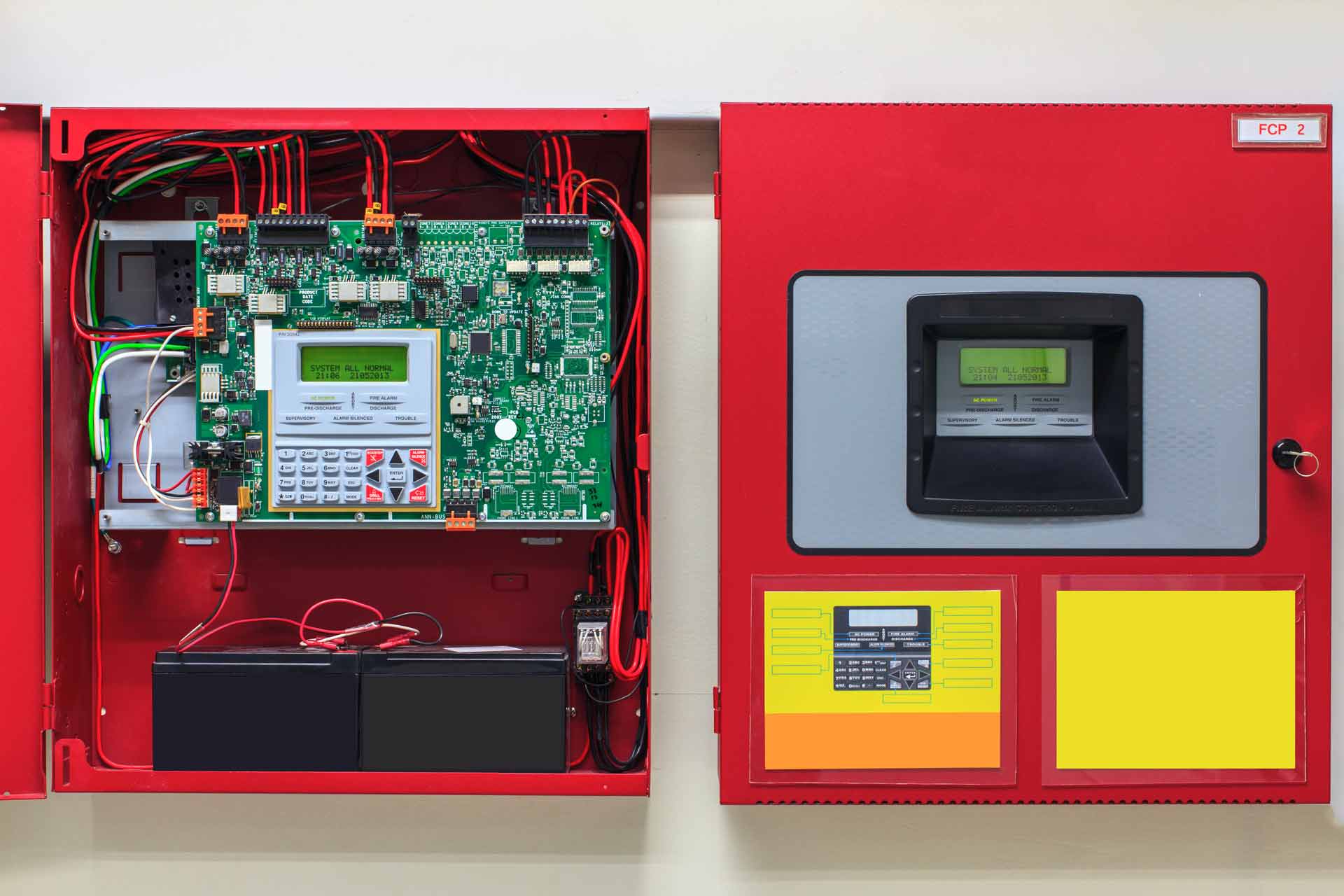
Connecting all the smoke detectors, heat detectors, manual pull stations, and alarm horns to the central panel requires precision. Each wire has a specific job, a specific path, and a specific connection point. It’s a meticulous dance of connecting circuits, ensuring every device has a clear line of communication with the FACP. Talk about a complex network!
3. Giving the Building Its "Senses"
Once the wiring is in place, the installer begins attaching the "senses" of the building. These are the devices that detect fire:
- Smoke Detectors: The building's "nose," sniffing out tiny particles of smoke. Some are so sensitive they can tell the difference between a burnt toast and a real fire!
- Heat Detectors: The building's "skin," feeling for rapid increases in temperature or extreme heat.
- Manual Pull Stations: The human trigger, allowing someone to manually sound the alarm if they see a fire.
Each of these devices, once connected, becomes a vital part of the FACP's information gathering network. They're constantly sending signals back to the main panel, saying, "All clear!" or, more urgently, "Something's not right!"

4. The Voice and Actions: Giving the Building a Response
But what happens when a sense is triggered? That's where the FACP takes action. The installer also connects the "voice" (horns, speakers, sirens) and the "flashing lights" (strobes) that alert everyone to danger.
Beyond just making noise, a modern FACP can do even more. It might be programmed to automatically:
- Unlock exit doors.
- Call the fire department directly.
- Shut down air conditioning systems to prevent smoke spread.
- Recall elevators to a ground floor safe zone.
It’s like giving the building superpowers to protect its occupants. Each of these actions needs to be wired and programmed carefully into the FACP during installation.
5. The Grand Finale: Programming and Testing
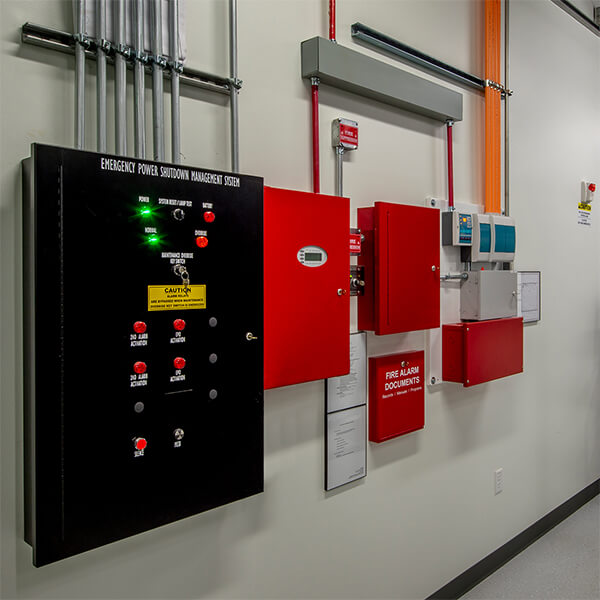
Finally, once everything is physically installed and wired up, comes the crucial programming and testing phase. This is where the FACP is taught exactly how to interpret signals and what actions to take. It's like writing the operating system for a very specialized computer.
Then, the ultimate pop quiz: testing every single device. Does the smoke detector trigger the right alarm? Do the strobes flash? Does the panel communicate with the monitoring station? This is a thorough process, ensuring that when the real moment comes, the system will perform flawlessly. It's the ultimate dress rehearsal for a potentially life-saving performance.
More Than Just a Box
So, the next time you see a fire alarm panel or hear that distinctive sound, take a moment to appreciate the incredible thought, planning, and precision that went into installing that life-saving system. It’s far more than just a red box; it's a silent guardian, a complex network, and a testament to clever engineering, all working tirelessly to keep us safe. Pretty cool, huh?