Filler Metal For Tig Welding

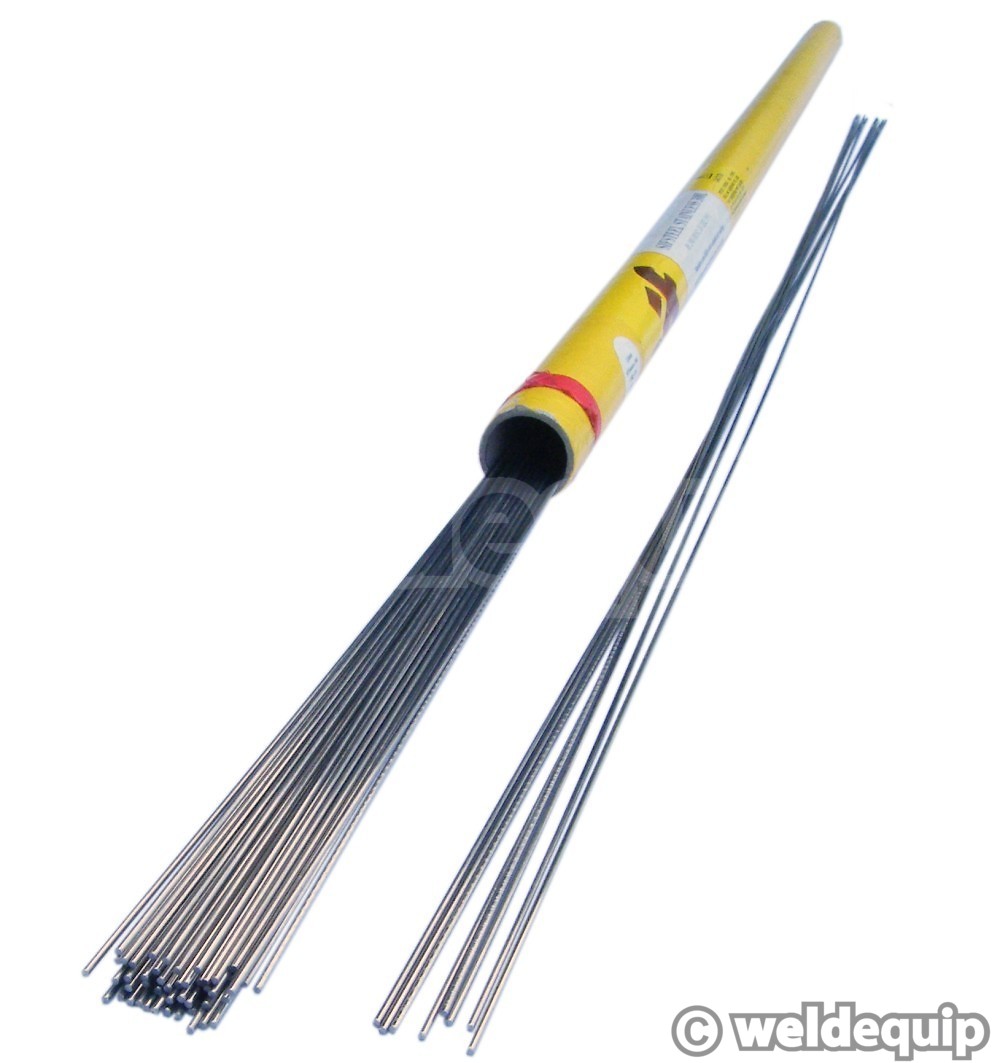
Ever found yourself looking at a beautifully welded piece of metal and wondering, "How do they make it look so perfect?" Often, the secret sauce lies not just in the welder's skill but also in a little something called filler metal. For TIG welding enthusiasts, this isn't just a simple rod; it's a crucial ingredient, almost like choosing the right spice for a gourmet meal. It’s what literally bridges the gap between two pieces of metal, dictating the strength, appearance, and even the future life of your project. Understanding filler metal makes TIG welding even more fun, predictable, and rewarding!
So, why bother learning about these slender rods? For beginners and hobbyists, understanding filler metal is like unlocking a cheat code for better welds. It helps you avoid frustrating pitfalls like brittle joints or ugly discoloration. You see, you wouldn't use wood glue on metal, right? The same logic applies here. Matching the right filler metal to your base material ensures your weld is not only strong and durable but also looks fantastic – a hallmark of TIG welding. Imagine fixing a wobbly chair with a custom-made weld, or crafting a unique metal sculpture that truly holds together. It brings a sense of accomplishment and allows for repairs and creations that stand the test of time.
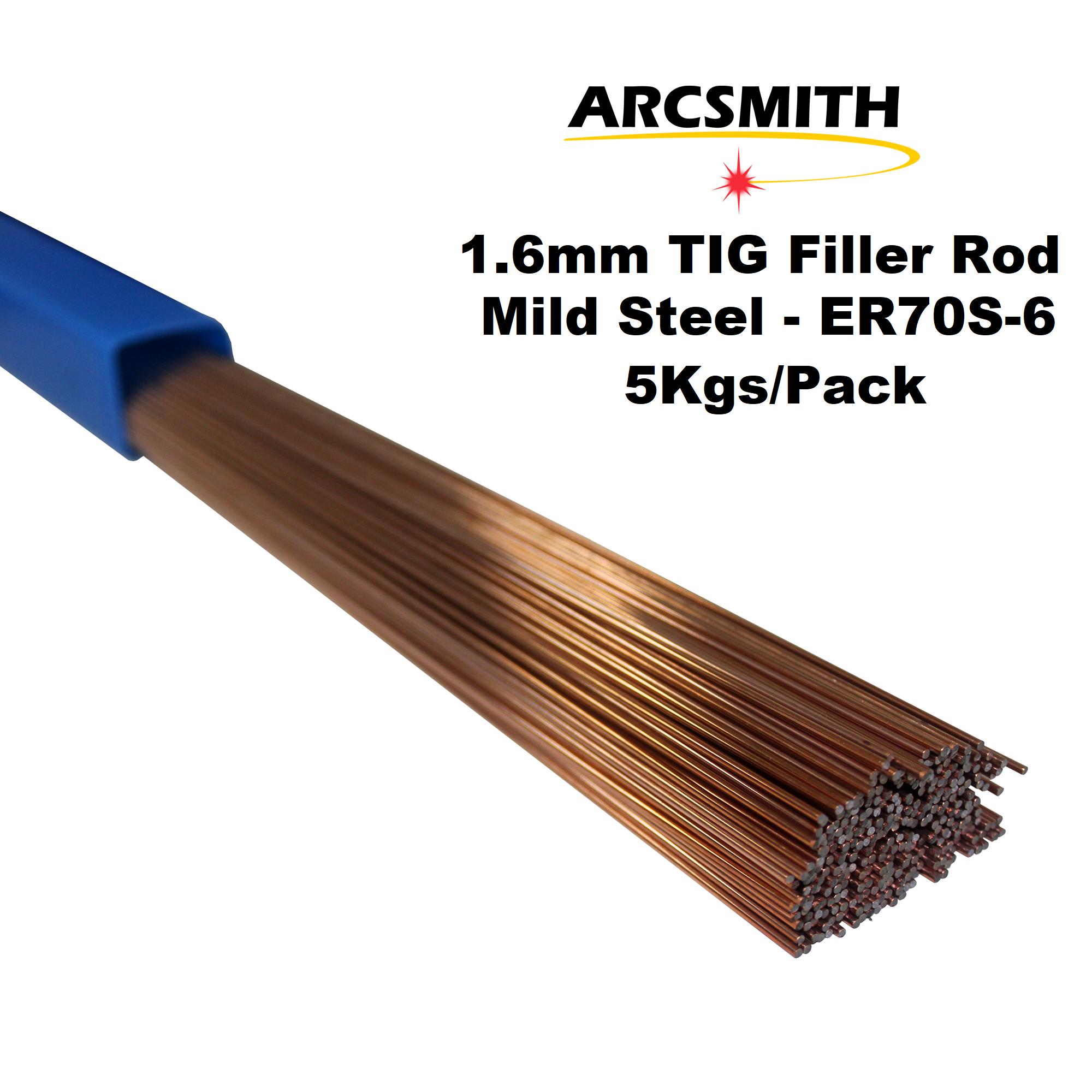
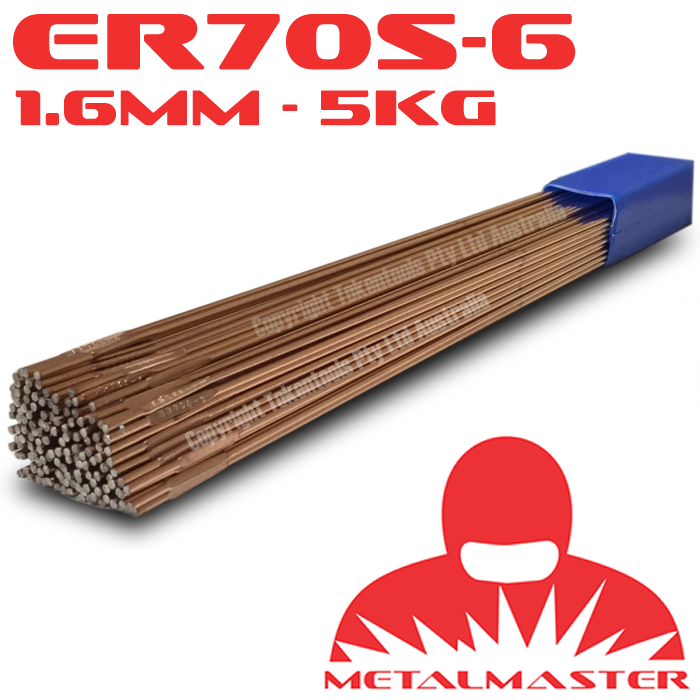
There's a whole world of filler metals out there, each designed for specific tasks. For instance, if you're welding mild steel (think basic shop projects or repair work), you'll likely reach for something like ER70S-2 or ER70S-6. These are fantastic general-purpose choices. Moving on to stainless steel (maybe for kitchen items or outdoor art), you'd consider options like 308L or 316L, known for their corrosion resistance. And for those lightweight, strong aluminum projects, 4043 or 5356 are popular choices, each offering slightly different properties like flowability or post-weld anodizing compatibility. The variation allows you to tailor your weld for strength, flexibility, and even specific environmental conditions!
Must Read
Ready to give it a try? Here are some simple, practical tips to get you started: First, and most importantly, match your filler metal to your base metal. Welding aluminum? Use aluminum filler. Welding stainless? Use stainless filler. It sounds obvious, but it's the golden rule! Second, consider the application: Will your weld be structural, decorative, or exposed to the elements? This might influence specific alloy choices. Third, always ensure your filler metal is clean. Just like your base metal, any grease or dirt can lead to a messy, weak weld. Finally, don't be afraid to experiment with common types on scrap pieces. The best way to learn how different fillers behave is to watch them melt and fuse.
Ultimately, getting to grips with TIG welding filler metal adds another layer of mastery and enjoyment to your craft. It’s about more than just sticking metal together; it’s about making informed choices that lead to stronger, more beautiful, and truly lasting results. So grab some different rods, fire up your TIG welder, and experience the satisfaction of creating something truly remarkable!