
Federal Tax Incentives For Energy Efficiency

Alright, gather 'round, folks! Let's talk about something that sounds about as thrilling as watching paint dry: federal tax incentives for energy efficiency. But trust me, I'm gonna make this way more interesting than it sounds. Think of it as finding a twenty-dollar bill in your old jeans, except this twenty keeps multiplying every year.
Basically, the government, in its infinite wisdom (and occasional moments of panic about polar bears), wants you to use less energy. Why? Well, less energy used means less strain on the grid, less pollution choking our planet, and, most importantly, more money in YOUR pocket. It's a win-win-win, like winning the lottery while simultaneously discovering you can fly and you have a lifetime supply of chocolate.
The 'Homeowner's Delight' Credits
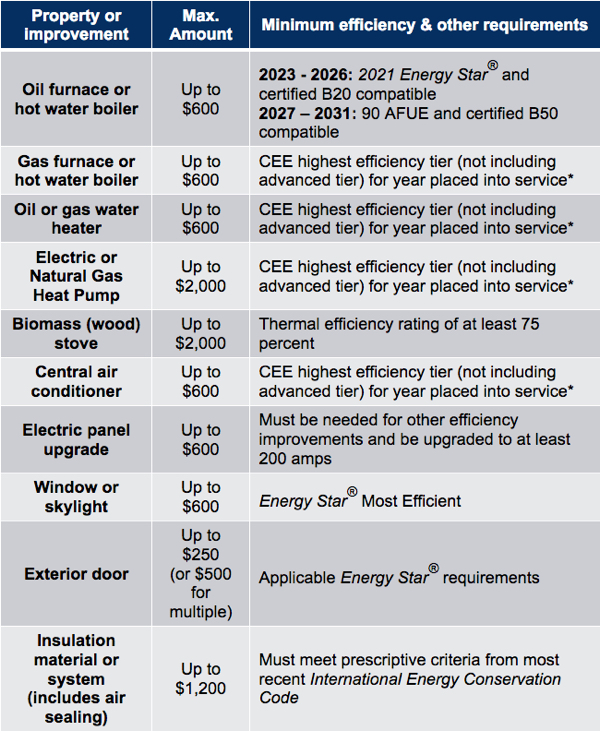
First up, let's talk about making your humble abode a lean, green, energy-saving machine. The big kahuna here is the Energy Efficient Home Improvement Credit. This is where things get exciting...ish. See, you can get a credit for certain qualified expenses. Think new, energy-efficient windows, doors, insulation, and even fancy HVAC systems that whisper sweet nothings about low energy bills.
Must Read
Now, before you start ripping out all your windows with gleeful abandon, there are a few rules. The credit is generally 30% of certain qualified expenses, up to a certain limit, of course. It's like a restaurant offering 30% off, but only on Tuesdays, and only if you order the fish, and only if you sing "Happy Birthday" to the chef. Okay, maybe not that complicated, but pay attention to the fine print!
Important Note: These credits often have maximum limits per item. You can’t just install a solid gold, energy-efficient window and expect Uncle Sam to foot the bill. (Although, wouldn't that be nice?) Also, make sure the products you're buying are actually certified energy-efficient. Look for that Energy Star label – it's like the Good Housekeeping Seal of Approval, but for things that save you money and the planet.
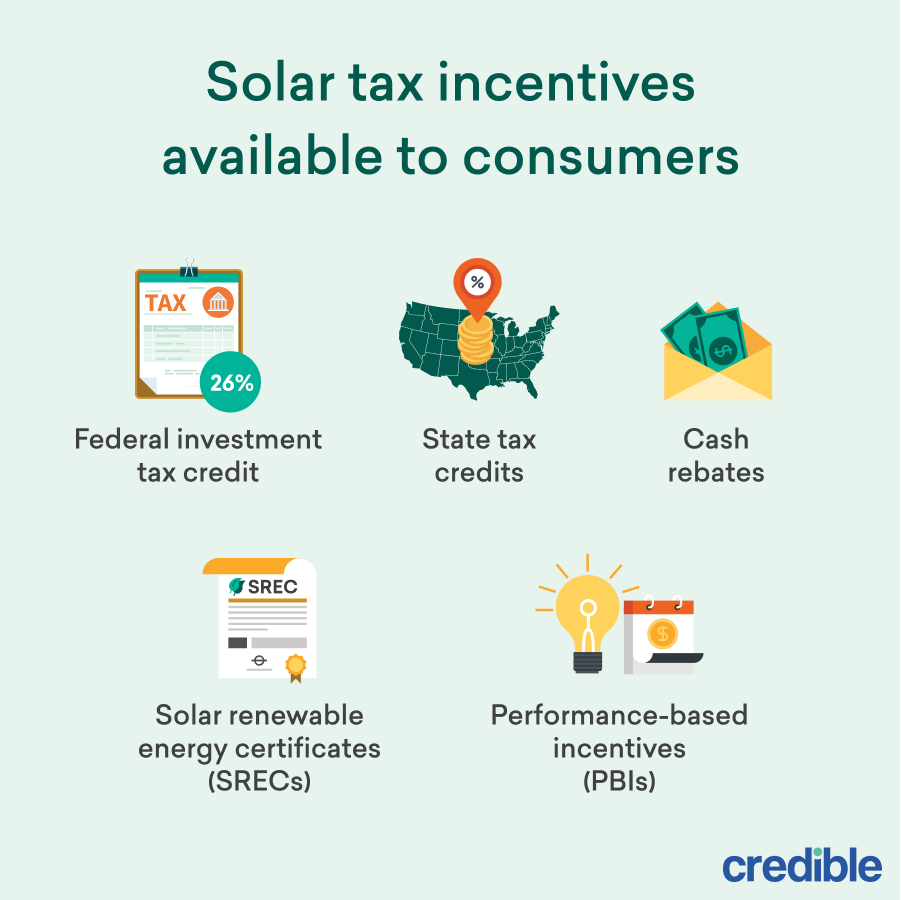
For example, let's say you upgrade your insulation. If the qualified expense is $2,000, you could potentially get a $600 credit (30% of $2,000). Boom! That's like finding six hundred one-dollar bills strategically hidden in your attic. Or, you know, just having $600 less to pay in taxes. Whatever floats your boat.
The 'Solar Power Superhero' Incentives
Next up: Solar! Ah, the sun, that giant, fusion-powered ball of energy just hanging out in space, offering us free electricity. It’s almost rude not to take advantage of it. The Residential Clean Energy Credit is your golden ticket to harness this celestial power.
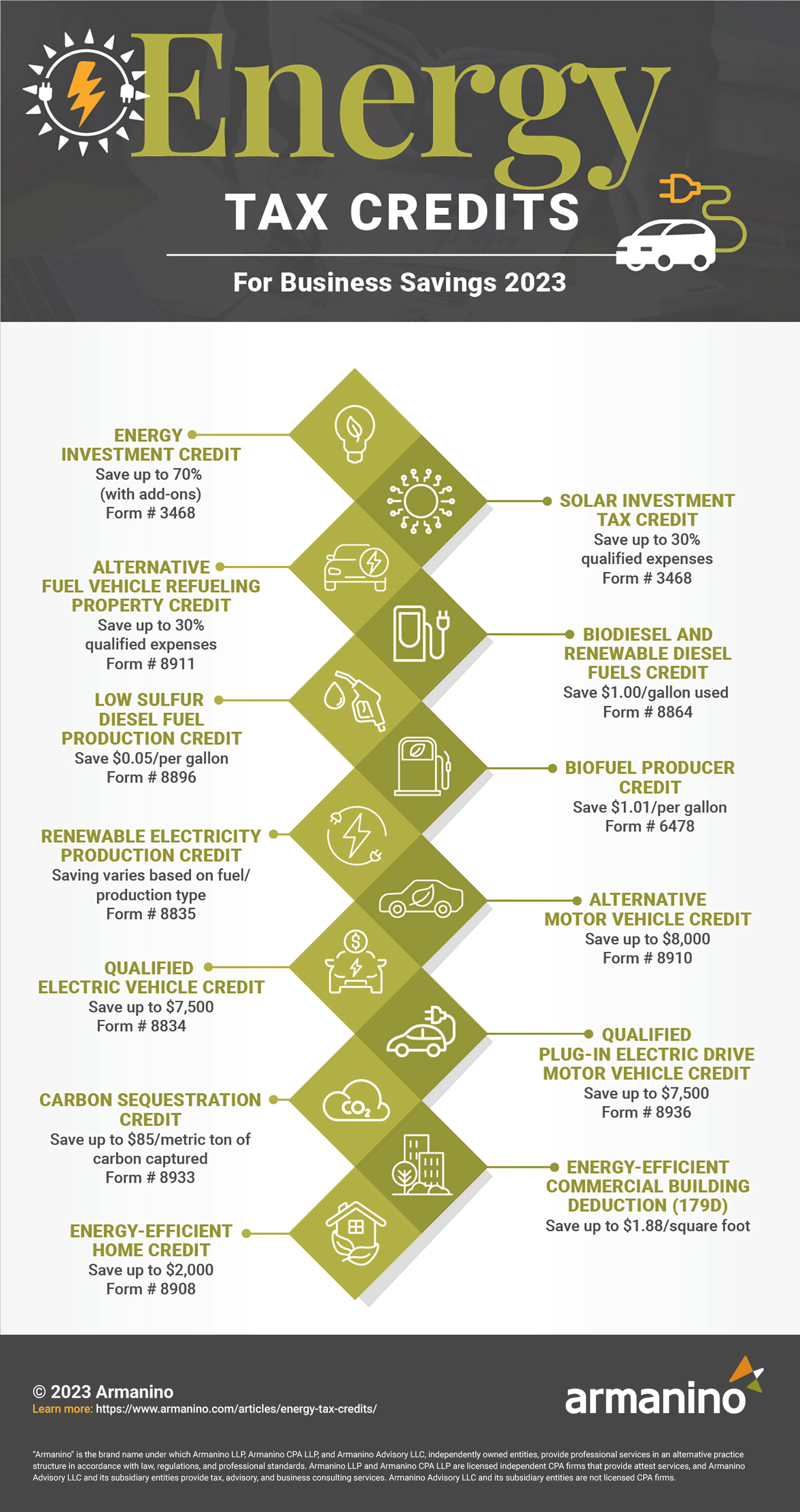
This credit applies to things like solar panels, solar water heaters, and even fancy-pants geothermal heat pumps. And the best part? It's a 30% credit with no upper limit (at least not for individual taxpayers!). So, if you drop $20,000 on a solar panel system (okay, maybe not "drop," that sounds expensive), you could potentially get a $6,000 credit. That’s like winning a small lottery – or at least having enough money to finally buy that life-sized cardboard cutout of your favorite celebrity.
Now, this credit is nonrefundable. That means it can reduce your tax liability to zero, but you won't get a check back from the government if the credit is more than what you owe. It's like getting a coupon for a free pizza, but you can only use it if you buy a pizza first. Still, free pizza!
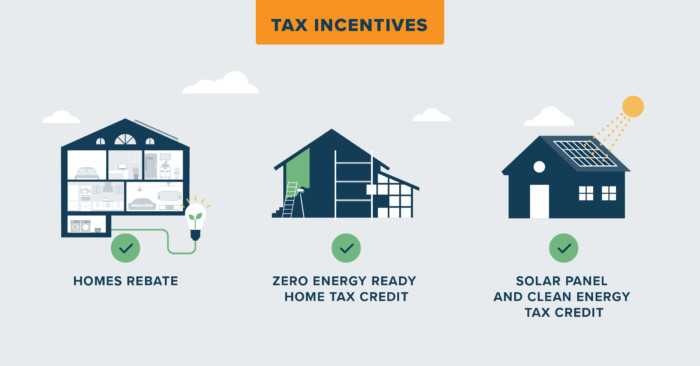
Also, check with your state and local governments for additional incentives. Some states offer rebates or tax credits on top of the federal ones, which can make going solar even more attractive. It’s like stacking coupons at the grocery store – pure, unadulterated savings bliss.
Don't Forget the Details!
Now, I know what you're thinking: "This sounds too good to be true! What's the catch?" Well, there are a few things to keep in mind. Firstly, these credits are subject to change. Congress loves tinkering with tax laws, so what’s true today might be as outdated as parachute pants tomorrow. Always check the IRS website or consult with a qualified tax professional for the most up-to-date information.
Secondly, keep meticulous records. Save every receipt, invoice, and document related to your energy-efficient upgrades. The IRS loves paperwork almost as much as they love collecting taxes. Think of it as building a fortress of financial documentation to protect yourself from the dreaded audit dragon.
Finally, remember that these incentives are designed to help you save money in the long run. While the upfront costs of energy-efficient upgrades might seem daunting, the long-term savings on your energy bills (plus the tax credits!) can make it a worthwhile investment. It’s like planting a tree – it takes time and effort, but eventually, you'll be enjoying the shade and wondering why you didn't do it sooner.
So, there you have it, folks! A (hopefully) not-too-boring overview of federal tax incentives for energy efficiency. Now go forth, save energy, save money, and save the planet...all while potentially getting a sweet tax break. You’re basically a superhero, just with better accounting practices.