
Fans In Summer Clockwise Or Counterclockwise

Hey everyone, ever just lie there on a hot summer night, staring up at your ceiling fan and wondering... which way should it be spinning? Clockwise? Counterclockwise? Does it even matter? Well, grab an iced tea, pull up a chair, and let's dive into the surprisingly interesting world of fan direction!
Think of it like this: your ceiling fan is less of a simple appliance and more of a tiny, personalized weather system right in your room. It's all about understanding how to manipulate that little system to your advantage. And honestly, who doesn't want to be a weather wizard, even on a miniature scale?
Summer Breezin': Counterclockwise Cool
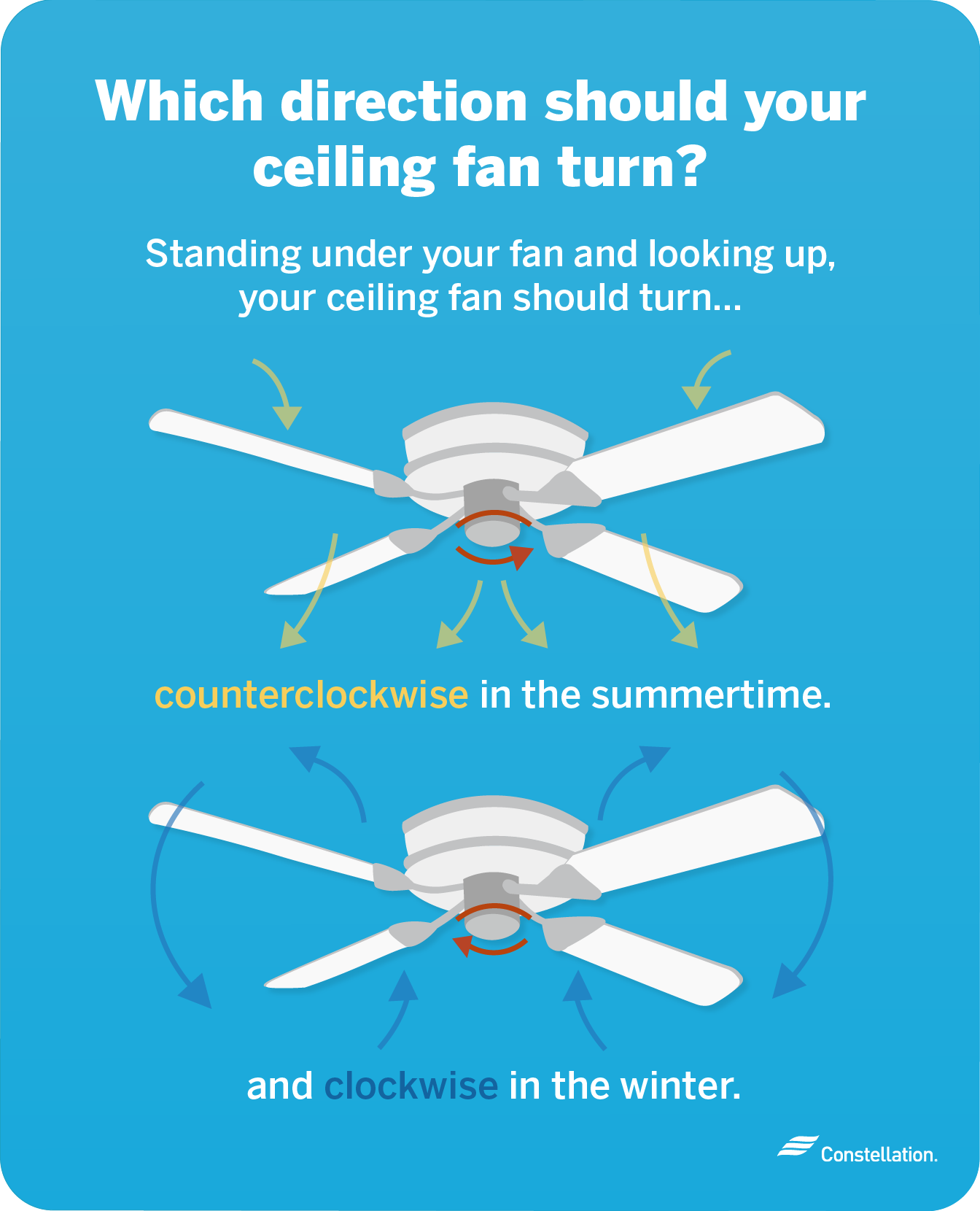
Okay, so during those sweltering summer months, the magic direction is generally counterclockwise. Why? Because it creates a delightful downdraft. Imagine a gentle waterfall of air cascading over you. Ahhh, refreshing! This is because the angled blades push the air straight down, creating that lovely breeze that makes you feel cooler.
Must Read
It’s like having a personal, non-judgemental friend fanning you with a giant palm leaf. Except, you know, less effort on their part. And definitely less awkward conversation.
But why does a downdraft feel cool? Well, it's all about evaporation. That breeze helps to evaporate moisture from your skin – sweat, mostly – and as that moisture evaporates, it takes heat with it. It's the same principle that makes you shiver when you step out of the shower, even if the bathroom is warm. Clever, right?
Think of it like this: a counterclockwise fan is your secret weapon against summer stickiness. It's the difference between feeling like a wilted flower and a vibrant, sun-kissed bloom.
Winter Warmth: Clockwise Considerations
Now, you might be thinking, "Okay, counterclockwise for summer, got it! But what about when Jack Frost comes knocking?" That's where the clockwise direction comes into play. It’s not about creating a direct breeze, but about circulating warm air that rises to the ceiling.
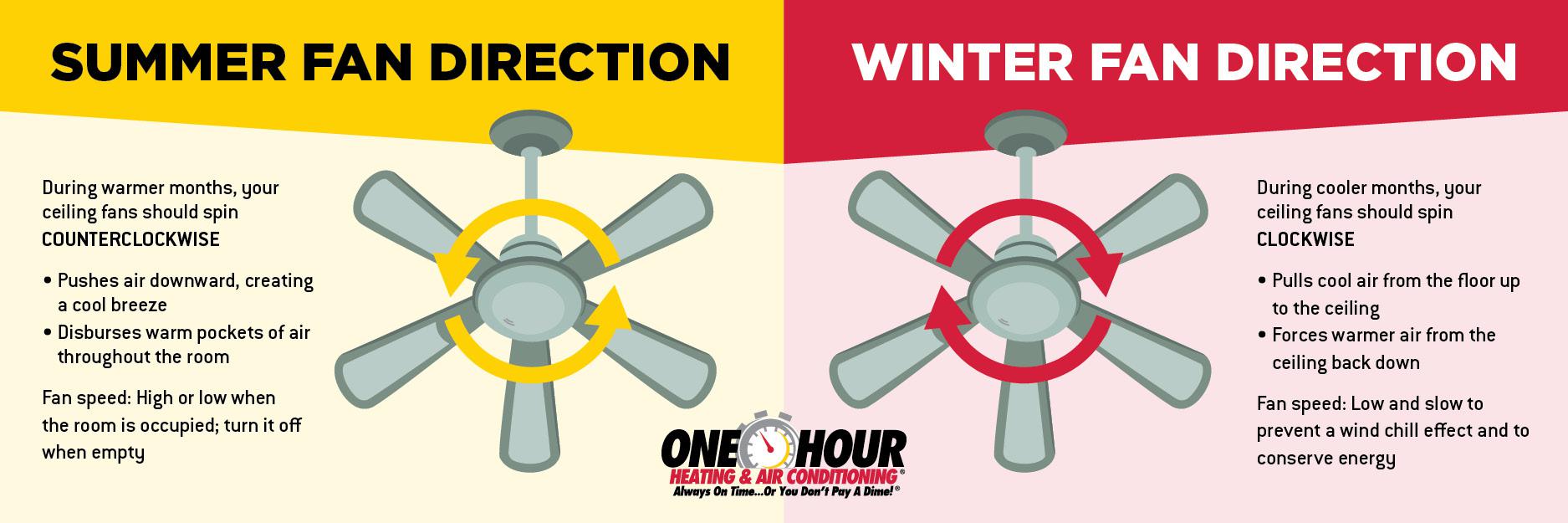
See, warm air is naturally lighter than cold air, so it tends to hang out near the top of the room. In winter, that means all your expensive heated air is just chilling (pun intended!) near the ceiling, doing absolutely nothing for you on the floor. A clockwise fan on a low setting gently pushes that warm air back down without creating a noticeable draft. The key is to run it on low; otherwise, you might as well keep it off!
Think of a clockwise fan in winter as a sneaky little helper. It’s not the hero who provides a dramatic breeze, but the quiet collaborator who ensures everyone gets a fair share of warmth. It's like sharing a hot chocolate with the whole room.
It's kind of like having a tiny, invisible air traffic controller, directing the warm air where it needs to go. "Alright, warm air, you're clear for landing on the floor! Be careful, it's a little chilly down there!"
![Ceiling Fan Directions for Summer vs Winter [Infographic]](https://airflowacademy.com/wp-content/uploads/2021/06/Ceiling-fan-directions-infographic-828x1536.jpg)
Why Bother? The Benefits Beyond Breeziness
So, why should you even care about the direction of your ceiling fan? Besides the obvious comfort factor, there are some other pretty cool benefits.
- Energy Savings: By circulating air effectively, you can potentially reduce your reliance on your air conditioner or heater. That means lower energy bills! Who doesn't love saving money?
- Improved Comfort: A well-circulated room just feels more comfortable overall. No more hot spots or cold corners!
- Dust Reduction: Fans can help to keep dust from settling, improving air quality. Bonus points for that!
Think of it like this: a strategically used ceiling fan is like a tiny investment that pays off in comfort, savings, and even better air quality. It's like planting a tree that provides shade, clean air, and a home for squirrels. Okay, maybe not squirrels inside your house, but you get the idea!
![Ceiling Fan Directions for Summer vs Winter [Infographic]](https://airflowacademy.com/wp-content/uploads/2021/06/Ceiling-fan-direction.jpg)
Finding Your Fan's Switch: A Quick Guide
Now, you're probably wondering, "Okay, I'm sold! But how do I actually change the direction of my fan?" Most ceiling fans have a small switch located on the motor housing. It's usually a little slider switch that allows you to reverse the direction of the blades.
Important note: Always turn off the fan before flipping the switch! Safety first, folks! Consult your fan's manual if you're unsure where the switch is located.
So, there you have it! The surprisingly fascinating world of ceiling fan direction. Now you can impress your friends with your newfound knowledge of airflow and evaporative cooling. Go forth and conquer the climate of your own home! And remember, stay cool (or warm!), and happy spinning!