
Explain The Difference Between Milling And Welding
Ever wondered how things are made? I mean, really made? Let's peek behind the curtain and explore two awesome processes: milling and welding. They're both super cool, but they work in completely different ways. Think of them as the sculptor and the blacksmith of the manufacturing world!
Milling: Subtraction, The Artful Dicer
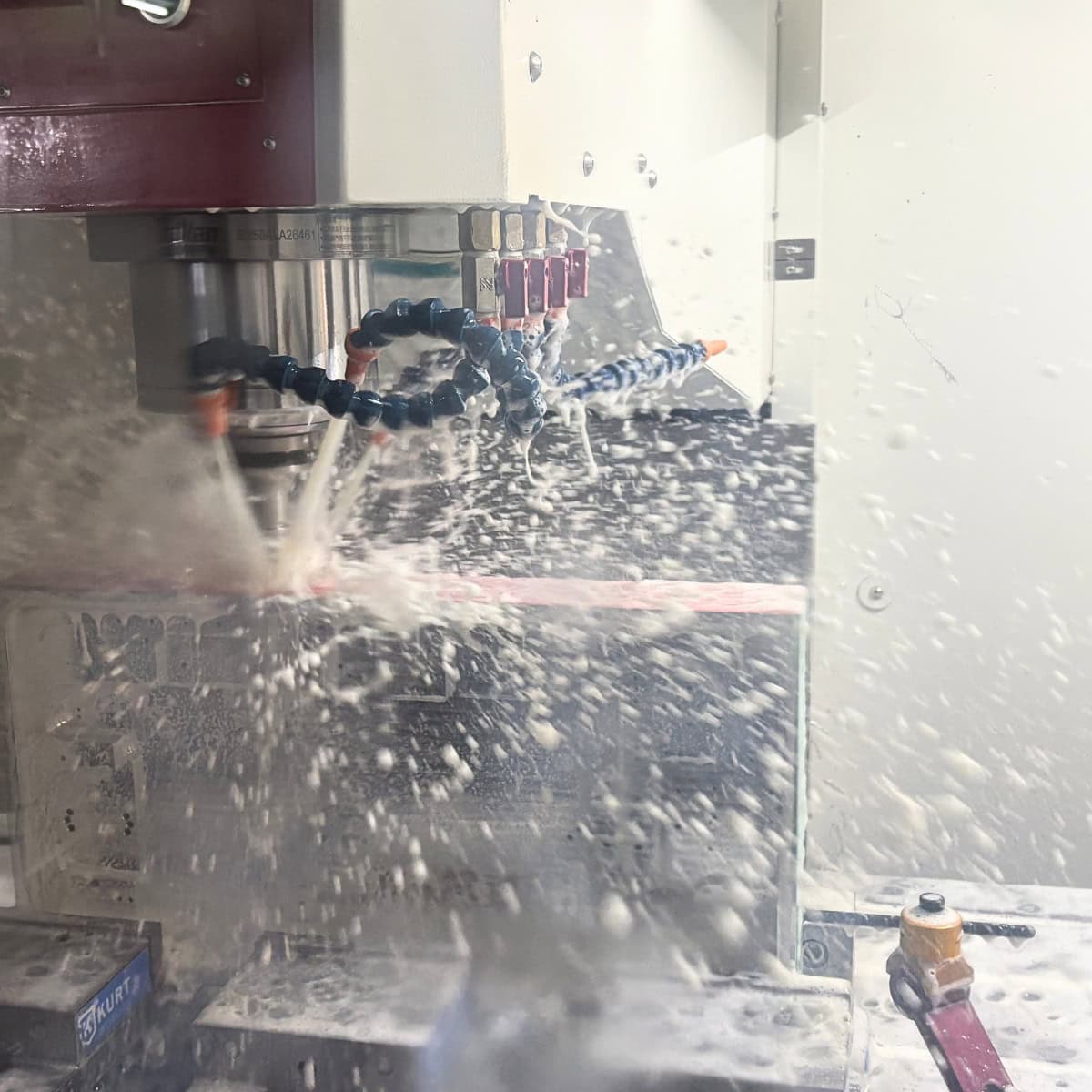
Imagine a block of metal or plastic. Now, picture a tiny, super-fast spinning blade just eating away at it, bit by bit. That's milling! It's like a high-tech, very precise whittling process. We're not adding anything; we're taking stuff away. Think of it like a sculptor carefully chipping away at a marble block to reveal a statue. It's all about finesse and control.
The coolest part? These blades, called cutters, come in all shapes and sizes. That means you can create incredibly intricate designs. We are talking gears, engine parts, custom widgets – the possibilities are pretty much endless! The precision is mind-blowing. Computers control the whole process, guiding the cutter with laser-like accuracy. It's like watching a robot create art!
Must Read
Think about a complex board game piece with all those tiny details. There’s a good chance milling played a part in its creation. It's a process that transforms raw materials into things that are functional and sometimes even beautiful.
And while it might sound intimidating, watching a milling machine in action is mesmerizing. The sparks flying, the perfectly formed shapes emerging… it's strangely hypnotic! It's like watching a digital sculptor at work, revealing a hidden form within the raw material.
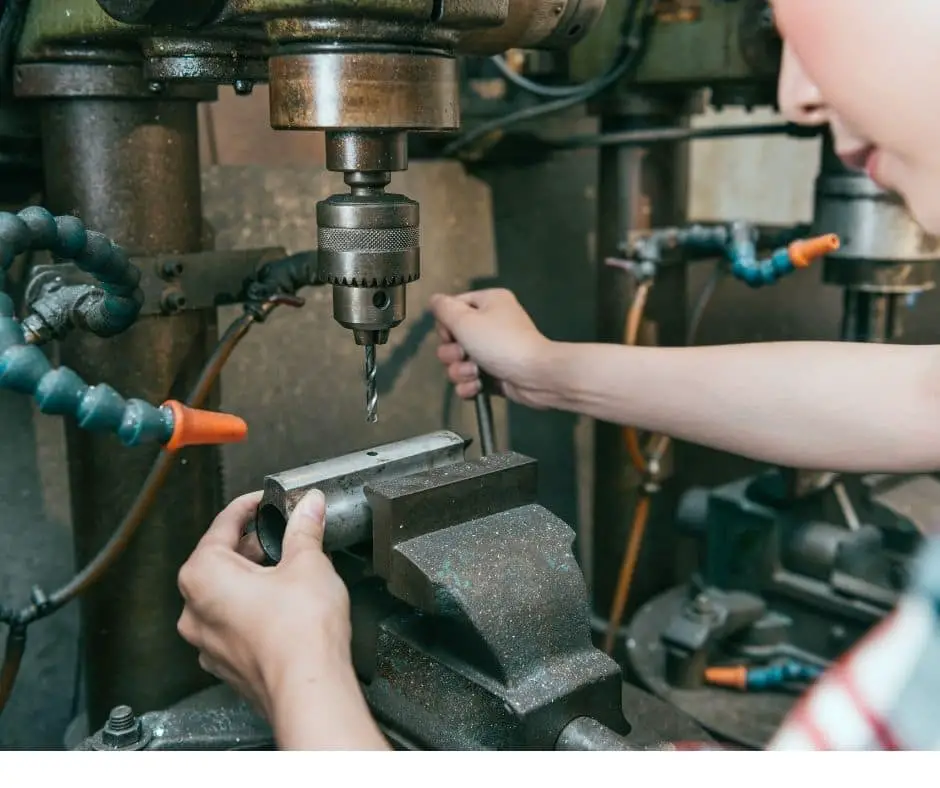
Welding: Addition, The Metal Marriage Maker
Now, let's switch gears (pun intended!). Instead of taking material away, welding is all about adding it! Imagine taking two pieces of metal and essentially melting them together. It's like creating a permanent bond, a metal marriage if you will!
The process involves using intense heat – often an electric arc – to fuse the metal pieces together. It's like a controlled metal volcano! This creates a super strong joint that can withstand incredible stress.
Think about bridges, skyscrapers, even your car. Welding is what holds them together. It's the unsung hero of modern construction. It’s how we create things that are large and complex.
What’s super cool about welding is the sheer variety of techniques. There’s stick welding, MIG welding, TIG welding… each with its own unique look and feel. It’s a real craft, requiring skill, patience, and a steady hand. A good welder is like an artist, creating strong and beautiful joints that will last for generations.
Watching a skilled welder at work is captivating. The bright flashes of light, the molten metal flowing… it’s a display of raw power and control. It’s mesmerizing to watch something being built, piece by piece, from the ground up.

Milling vs. Welding: Two Sides of the Same (Metal) Coin
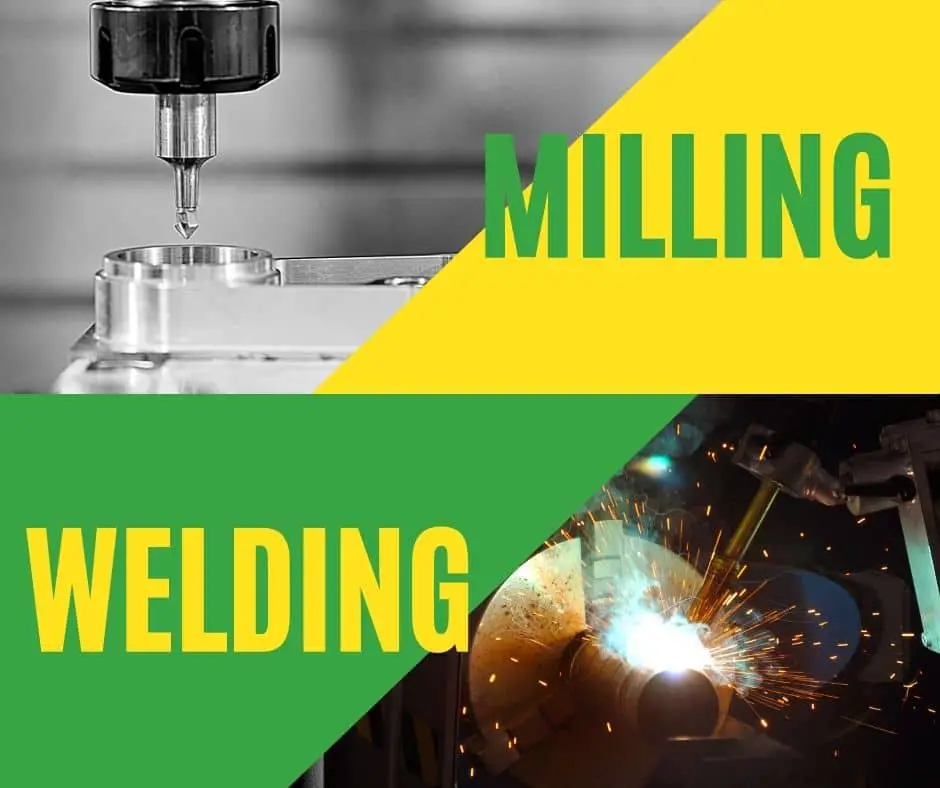
So, what’s the big difference? Milling is subtractive, taking material away to create a shape. Welding is additive, joining pieces together to form a larger structure. They’re essentially opposite sides of the same coin. One carves, the other connects.
Both milling and welding are vital to modern manufacturing. They’re used in everything from aerospace to automotive to consumer electronics. Without them, we wouldn't have the amazing technologies we enjoy today.

So, the next time you see a complex machine or a sturdy structure, take a moment to appreciate the artistry and engineering that went into its creation. Chances are, both milling and welding played a crucial role. They're the dynamic duo of the manufacturing world, and they're pretty darn amazing!
Maybe you'll be inspired to check out a local maker space or even try your hand at one of these amazing crafts. Who knows, you might just discover your inner metalworker!
“The only way to do great work is to love what you do.” - Steve Jobs