
Exchanges Of Assets For Assets Have What Effect On Equity
Imagine you're a master chef, renowned for your legendary chocolate chip cookies. Your kitchen, overflowing with flour, sugar, and enough chocolate chips to satisfy a small nation, is your empire.
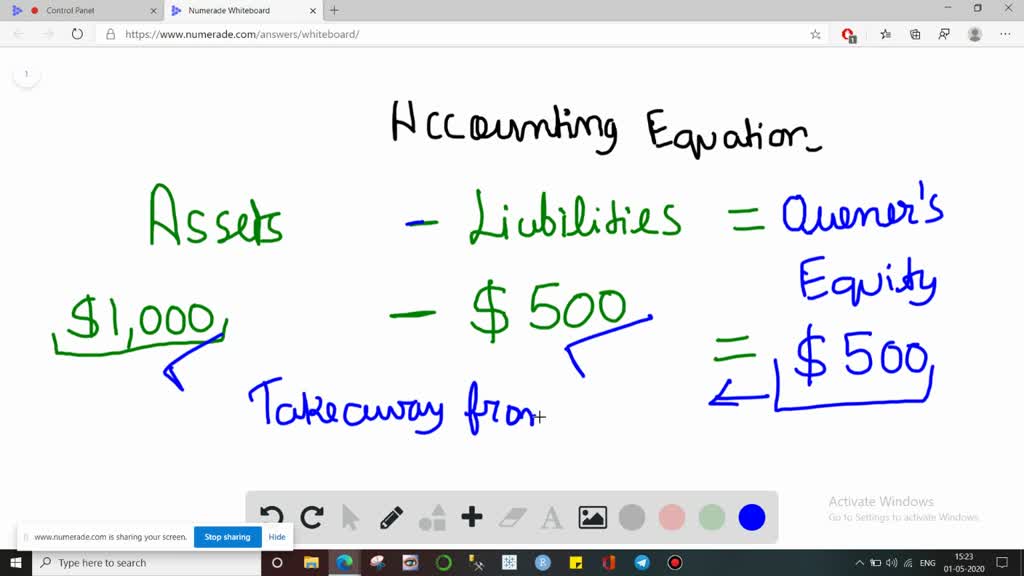
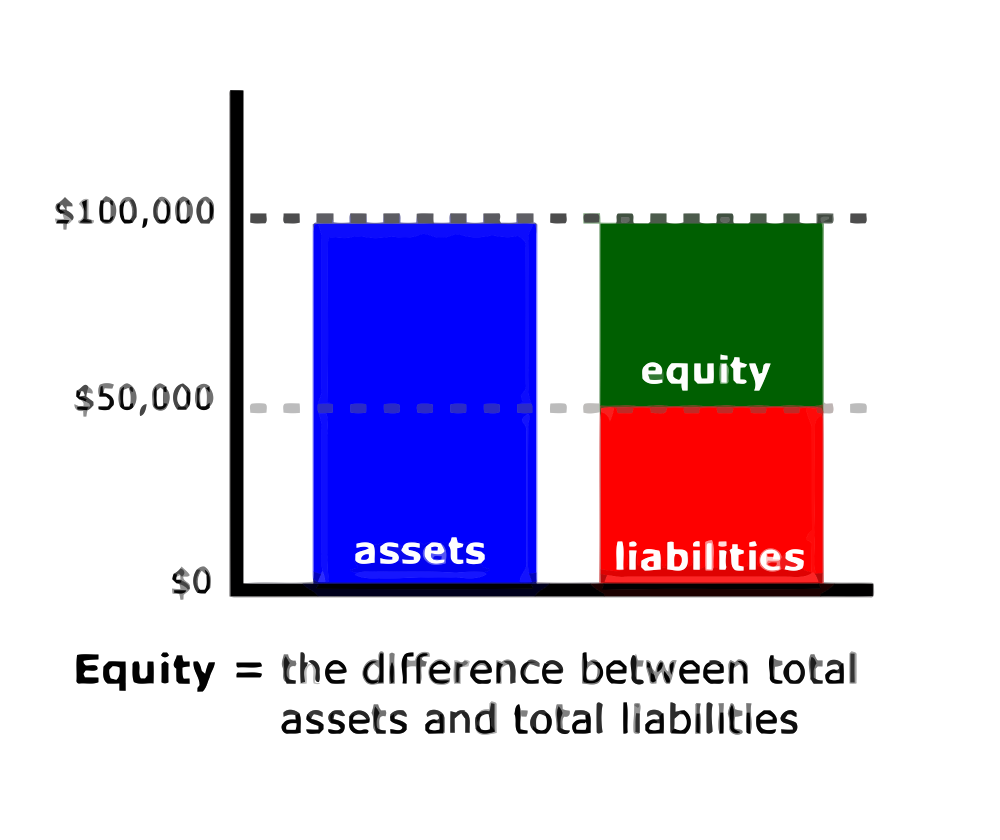
Now, let’s talk about equity. Think of it as the true worth of your cookie empire – everything you own (your assets) minus what you owe (maybe you borrowed sugar from your neighbor, Agnes?).
What happens to your cookie empire's equity when you just swap things around within your kitchen? Let’s find out.
Must Read
The Great Chocolate Chip Swap
Picture this: You realize you have way more milk chocolate chips than dark chocolate. A crisis! (For a cookie connoisseur, anyway). So, you trade a whole bag of milk chocolate chips for an equally valuable bag of dark chocolate chips with your assistant, Bob.
This is a classic example of exchanging one asset for another. You still have the same value of chocolate, just a different type. Did this earth-shattering event affect the overall worth of your cookie empire?
Nope! Your equity remains unchanged. It’s like rearranging furniture in your living room. The living room (your business) still contains the same stuff, just in a different configuration.
The Flour Power Fiasco
Next, disaster strikes! You discover a bag of flour has a tiny hole. You quickly transfer the flour into a sturdier, airtight container.
Again, you’ve exchanged one asset (flour in a leaky bag) for another (flour in a secure container). This is still flour, still useable, and still contributes to the greatness of your cookies.
Did your equity take a hit? Not a single crumb! All you've done is a clever maneuver within your existing resources.
The Sugar Rush Shuffle
You decide to organize your sugar supply. You swap two smaller bags of granulated sugar for one large, industrial-sized bag from Costco. Efficient!
This is another asset exchange. You are swapping the granulated sugar for a large bag from Costco.
Your equity is still safe and sound! Exchanging assets within your business like this is just good housekeeping, it doesn’t directly impact equity.
When Equity Gets Involved
So, when does equity change? Let's say Agnes, your sugar-lending neighbor, generously gifts you another five bags of sugar. Or, perhaps you sell a batch of cookies for a massive profit, increasing your overall cash.
Now your equity is climbing! Because Agnes's gift and the cookie sales represents addition of your assets.
On the other hand, if you accidentally burn a batch of cookies, rendering your precious ingredients unusable, or if Agnes demands her borrowed sugar back (with interest!), your equity will decrease.

The Great Oven Upgrade
One day you decide to buy a fancy new oven. This is a significant investment! You take money out of your business bank account (an asset) to purchase the oven (another asset).
Initially, this looks like an asset-for-asset swap. But here's the catch: that oven is going to help you bake more cookies, faster, and potentially of even higher quality.
The potential for increased revenue means your equity could eventually increase. However, the act of buying the oven itself doesn’t immediately affect your equity.
Paying Off Agnes
Remember Agnes and her sugar loan? Let’s say you finally pay her back. You use cash (an asset) to reduce your debt (a liability).
Since Equity = Assets - Liabilities, reducing your liabilities increases your equity! Hooray!
Paying off a debt has a direct impact on your equity.

The Moral of the Cookie Story
The key takeaway? Simply swapping one asset for another – like trading chocolate chips or reorganizing flour – generally doesn't affect the overall equity of your business.
Equity changes when new assets are added (like receiving a gift or earning profits) or when liabilities increase (like taking out a loan) or when old assets are depleted (like wasting a bag of flour).
It's about the net effect on your assets and liabilities, not just the shuffling of resources within your existing kingdom. So, keep those cookies baking, and keep a close eye on your assets and liabilities!
Think of it like your personal piggy bank. If you trade a ten-dollar bill for ten one-dollar bills, you still have ten dollars. Your "equity" (the total amount in your piggy bank) hasn't changed.
Only when you add money (like from your allowance) or remove money (like to buy candy) does the overall amount in your piggy bank change.
The same principle applies to businesses, just on a slightly larger (and often more delicious) scale!

It’s all about the bigger picture, the balance sheet ballet between what you own and what you owe. Keep those assets dancing in the right direction, and your equity will thank you!
So, the next time you're reorganizing your spice rack or trading stamps with a friend, remember the humble chocolate chip. Sometimes, the most exciting changes don't actually change anything at all, at least in terms of the grand equation of equity!
Now, if you'll excuse me, I'm feeling a sudden craving for cookies. Preferably made with expertly managed assets and a solid understanding of equity!
Happy baking (and accounting)!
Just be sure to keep Agnes happy!