Examples Of Ferrous Metals And Non Ferrous Metals
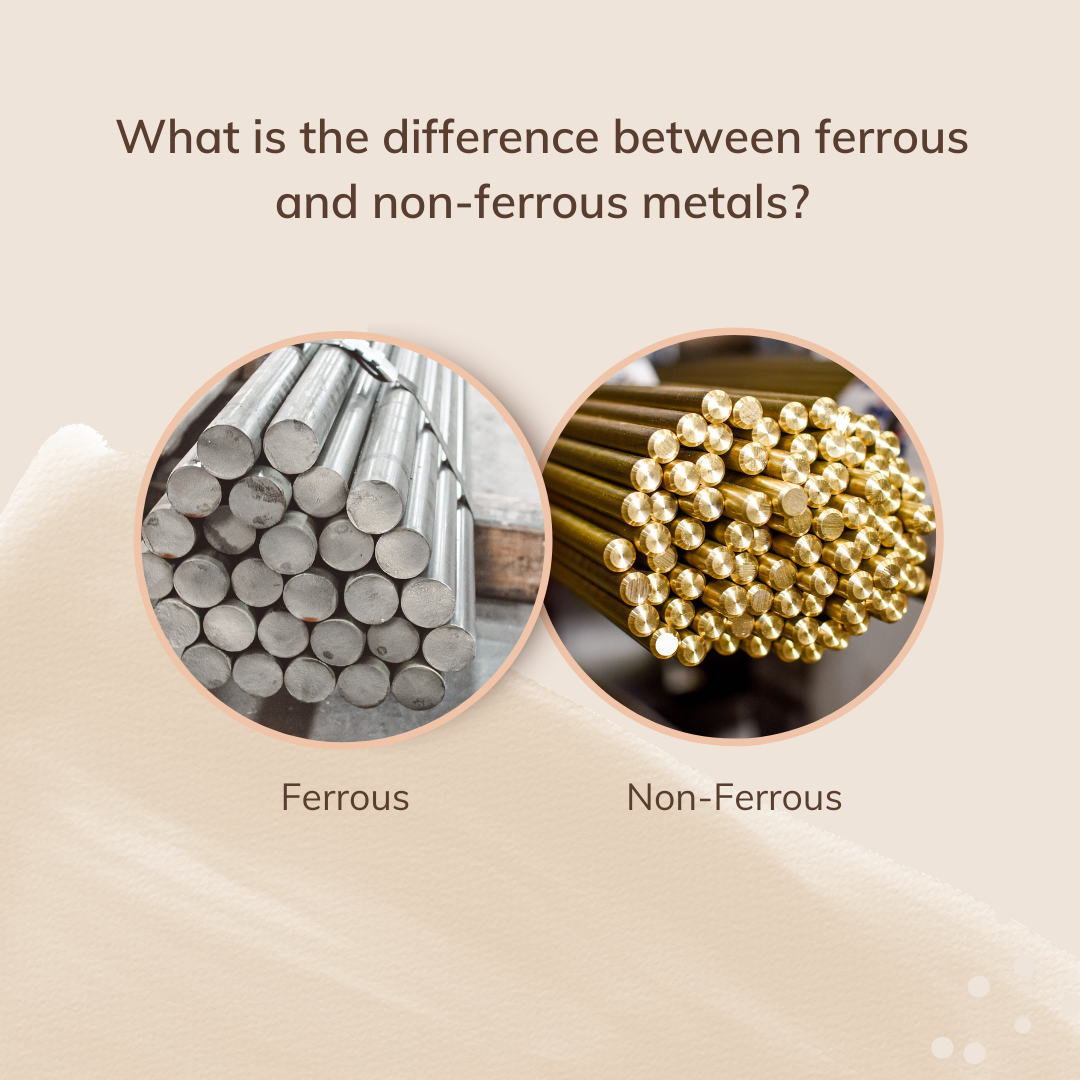
Ever wondered why your fridge sticks to magnets but your aluminum foil doesn't? The secret lies in whether a metal is ferrous or non-ferrous! Understanding this simple difference opens up a whole new world of possibilities, from choosing the right tools to appreciating the materials all around us. It's surprisingly fun and incredibly useful, especially if you're a beginner, a family looking for a fun science project, or a hobbyist dabbling in crafts or repairs.
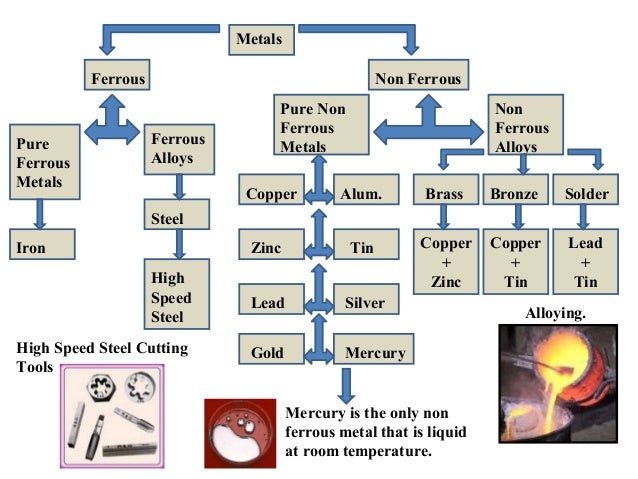
So, what's the big deal? Ferrous metals are metals that contain iron. The presence of iron is what makes them magnetic and, unfortunately, prone to rust if not properly protected. Think of your trusty cast iron skillet – that's a prime example of a ferrous metal putting in work! For beginners, identifying ferrous metals is as easy as grabbing a magnet. Does it stick? Bingo! It's ferrous.
Families can turn this into a fun scavenger hunt. Challenge your kids to find as many ferrous and non-ferrous items around the house as they can. It's a sneaky way to introduce them to basic science principles. Hobbyists, on the other hand, need to understand the properties of ferrous metals to choose the right materials for their projects. Welding, for example, almost exclusively involves ferrous metals like steel.
Must Read
Examples of Ferrous Metals:
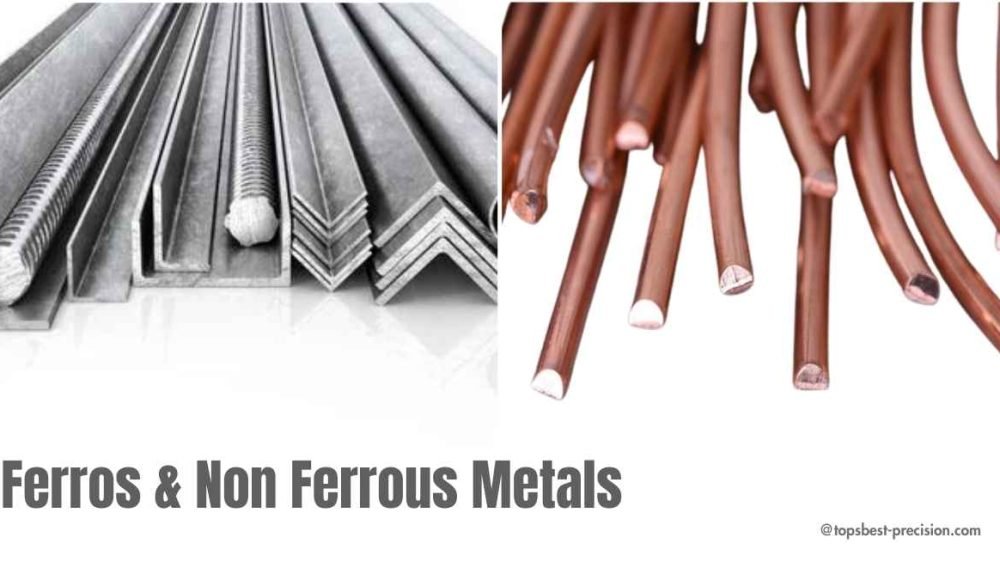
- Steel: The workhorse of the metal world, used in everything from buildings to cars. Variations include carbon steel, stainless steel (more rust-resistant!), and alloy steel.
- Cast Iron: Perfect for cookware and engine blocks due to its heat resistance and durability.
- Wrought Iron: Often used for decorative purposes like gates and fences due to its malleability.
Now, let's talk about non-ferrous metals. These are metals that don't contain iron. This means they're not magnetic and generally more resistant to corrosion. Aluminum, copper, and brass are all excellent examples. They often offer different benefits than ferrous metals such as being lightweight, excellent conductors of electricity, and aesthetically pleasing.
Examples of Non-Ferrous Metals:

- Aluminum: Lightweight and corrosion-resistant, ideal for airplanes, cans, and foil.
- Copper: An excellent conductor of electricity, making it essential for wiring and plumbing.
- Brass: A mixture of copper and zinc, often used for decorative hardware, musical instruments, and plumbing fixtures.
- Gold: Highly valued for its resistance to corrosion and its beautiful color, used in jewelry and electronics.
Practical Tips for Getting Started:
- Use a Magnet: The simplest test! If it sticks, it's likely a ferrous metal.
- Look for Rust: Rust is a sign of iron, indicating a ferrous metal.
- Consider the Weight: Aluminum is much lighter than steel.
- Research Common Applications: Knowing where certain metals are typically used can help you identify them. For example, electrical wires are almost always made of copper.
Understanding the difference between ferrous and non-ferrous metals isn't just about knowing facts; it's about gaining a deeper appreciation for the materials that shape our world. Whether you're choosing the right pot for your next culinary creation or embarking on a DIY home improvement project, a little knowledge about metals goes a long way. Plus, it's kind of cool to be able to impress your friends and family with your newfound metal expertise!