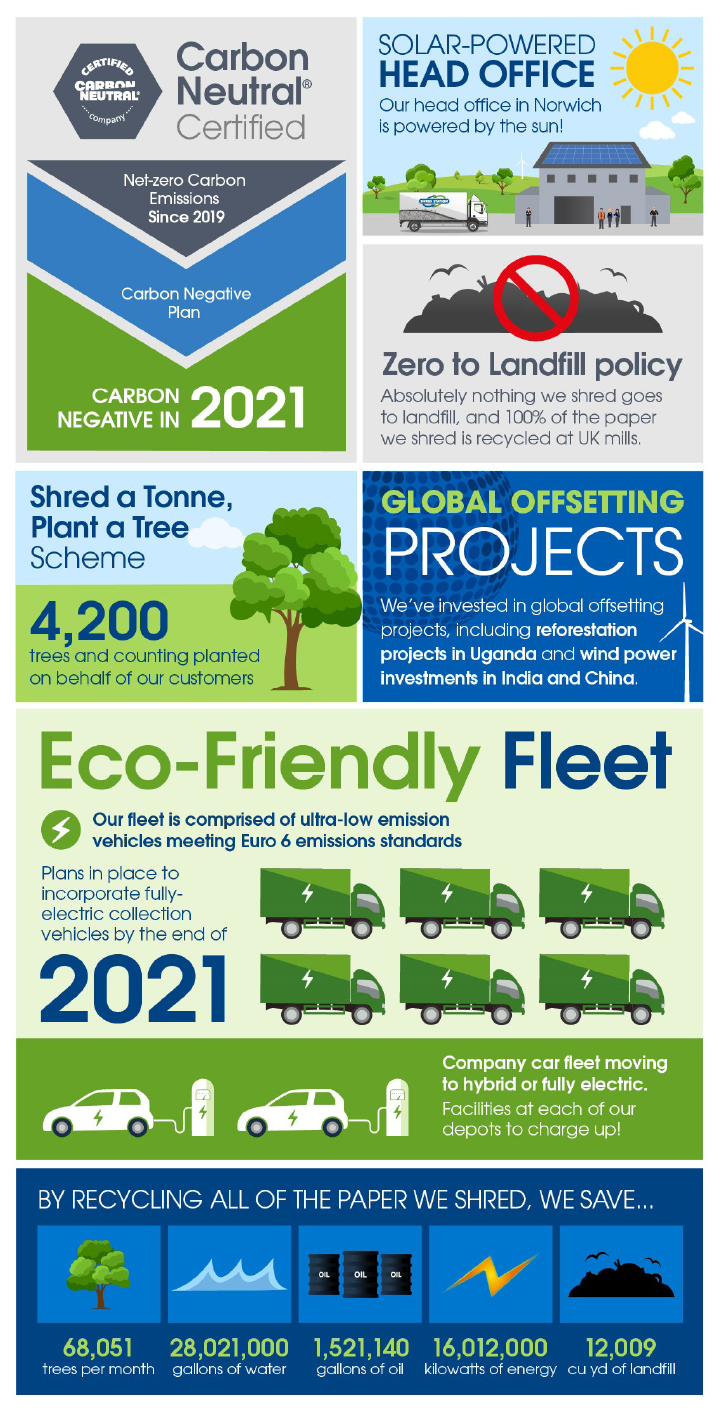
Examples Of Companies Reducing Carbon Footprint
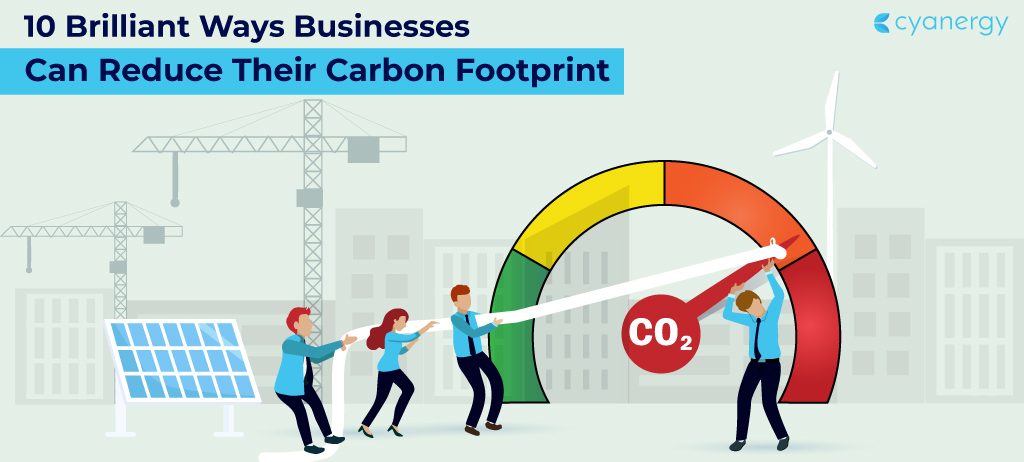
Okay, let's talk about the elephant in the room, or rather, the carbon footprint on the planet. It's a big topic, often feels overwhelming, but guess what? Companies are stepping up, taking responsibility, and showing us all how it's done. Forget the doom and gloom – let's dive into some inspiring examples of companies actually reducing their carbon footprint. Think less Mad Max, more sustainable chic.
The Electric Avenue: Transportation Transformation
First stop: transportation. We all know the drill – gas-guzzling vehicles contribute a hefty chunk to emissions. But things are changing! Companies like Amazon are investing big time in electric delivery vehicles. Remember seeing those blue Rivian vans zipping around? That's Amazon putting their money where their mouth is. They've committed to having 100,000 electric delivery vehicles on the road by 2030. Talk about a power move! This not only lowers their emissions but also encourages other companies to follow suit. Think of it as the corporate version of "keeping up with the Joneses," but with a much greener lawn.
And it's not just about replacing vehicles. Companies like Maersk, the shipping giant, are exploring alternative fuels like green methanol and ammonia to power their massive container ships. These fuels, produced from renewable sources, have the potential to drastically reduce the environmental impact of global trade. This is a complex issue, but the fact that a massive player like Maersk is committed to sustainable shipping is a huge win.
Must Read
Powering Up with Renewables
Next up: energy. How companies power their operations makes a huge difference. Google has been a leader in this space, committing to run all of its data centers and offices on 24/7 carbon-free energy by 2030. That's a monumental task, requiring them to invest in solar, wind, and other renewable energy sources. They're not just buying carbon offsets; they're actively changing the way they consume energy. Think of it as ditching the vampire power draw of your appliances, but on a corporate scale.
Similarly, IKEA has made significant investments in renewable energy, aiming to produce as much renewable energy as they consume globally. From solar panels on their stores to wind farms that power their operations, they're showing that sustainable energy can be a core part of a successful business model. Plus, it adds a certain "feel-good" factor when you're picking up that BILLY bookcase, doesn't it?

Waste Not, Want Not: Circular Economy Champions
Beyond energy and transportation, companies are also tackling waste. The rise of the circular economy – where materials are reused and recycled instead of ending up in landfills – is gaining momentum. Patagonia, the outdoor clothing company, has long been a champion of this approach. Their Worn Wear program encourages customers to repair and recycle their clothing, extending the life of their products and reducing waste. They even offer trade-in options, giving you credit for your old Patagonia gear. It's like a vintage store, but with a sustainable twist.
Another innovative example is Interface, a global flooring manufacturer. They've pioneered the use of recycled materials in their carpets and are committed to creating a closed-loop manufacturing process, where waste is minimized and resources are used efficiently. This not only reduces their environmental impact but also saves them money in the long run. It's a win-win!
Small Steps, Big Impact: Practical Tips We Can All Use
So, what can we learn from these corporate initiatives? Here are a few practical takeaways:
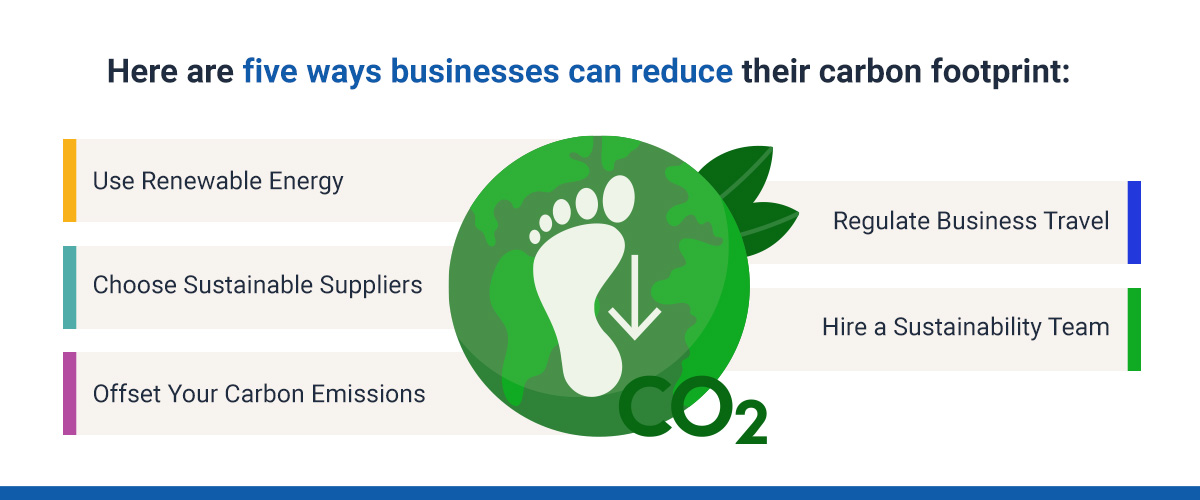
* Support Companies with Sustainable Practices: Vote with your wallet! Choose brands that are actively working to reduce their carbon footprint. * Reduce Your Own Energy Consumption: Turn off lights when you leave a room, unplug electronics when not in use, and consider switching to renewable energy sources. * Embrace the Circular Economy: Repair, reuse, and recycle! Buy secondhand clothing, choose products with minimal packaging, and compost your food waste. * Transportation Choices Matter: Walk, bike, or take public transportation whenever possible. Consider carpooling or investing in an electric vehicle.Ultimately, reducing our carbon footprint is a collective effort. The actions of these companies are inspiring and show us that it's possible to create a more sustainable future. But it's also up to each of us to make conscious choices in our daily lives. From the clothes we buy to the food we eat, every decision has an impact. By taking small steps and supporting companies that are committed to sustainability, we can all contribute to a healthier planet. Think of it as your own personal "carbon cleanse." You'll feel better, and the planet will thank you.