Examples Of A Good Introduction
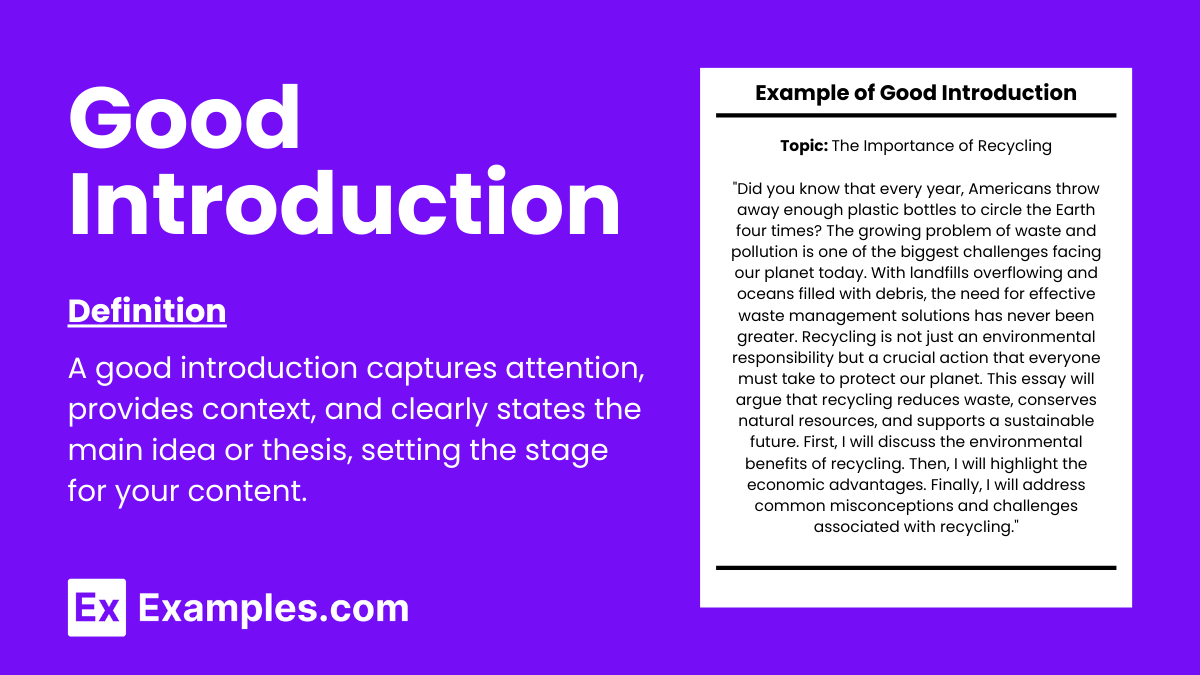
Let's be honest, who doesn't love a great story? Whether it's binge-watching a thrilling new series, getting lost in a captivating novel, or even just hearing a friend recount a hilarious anecdote, we're all drawn to narratives. But what truly separates a good story from one that leaves you yawning? More often than not, it's all about the introduction.
A compelling introduction is more than just the first few sentences; it's the key to unlocking the rest of the experience. It's the hook that snags your attention, the map that sets the scene, and the invitation that draws you deeper into the world being presented. In everyday life, a good introduction serves a critical purpose: it establishes context, builds interest, and paves the way for understanding. Think of it as the virtual handshake – a chance to make a positive first impression and set the tone for what's to come.
You see examples of effective introductions everywhere. Consider a news article. A strong lede (the opening paragraph) will immediately tell you the "who, what, where, when, and why" of the story. It grabs your attention with a compelling detail or a surprising fact, making you want to read on. Or think about a persuasive sales pitch. A successful introduction often starts by identifying a problem the audience can relate to, instantly establishing relevance and showing that the speaker understands their needs. Even in casual conversations, a well-crafted introduction can make all the difference. Imagine meeting someone at a party and hearing, "Hi, I'm Sarah, and I'm a beekeeper!" That's far more engaging than a simple, "Hi, I'm Sarah." It sparks curiosity and provides an immediate conversation starter.
Must Read
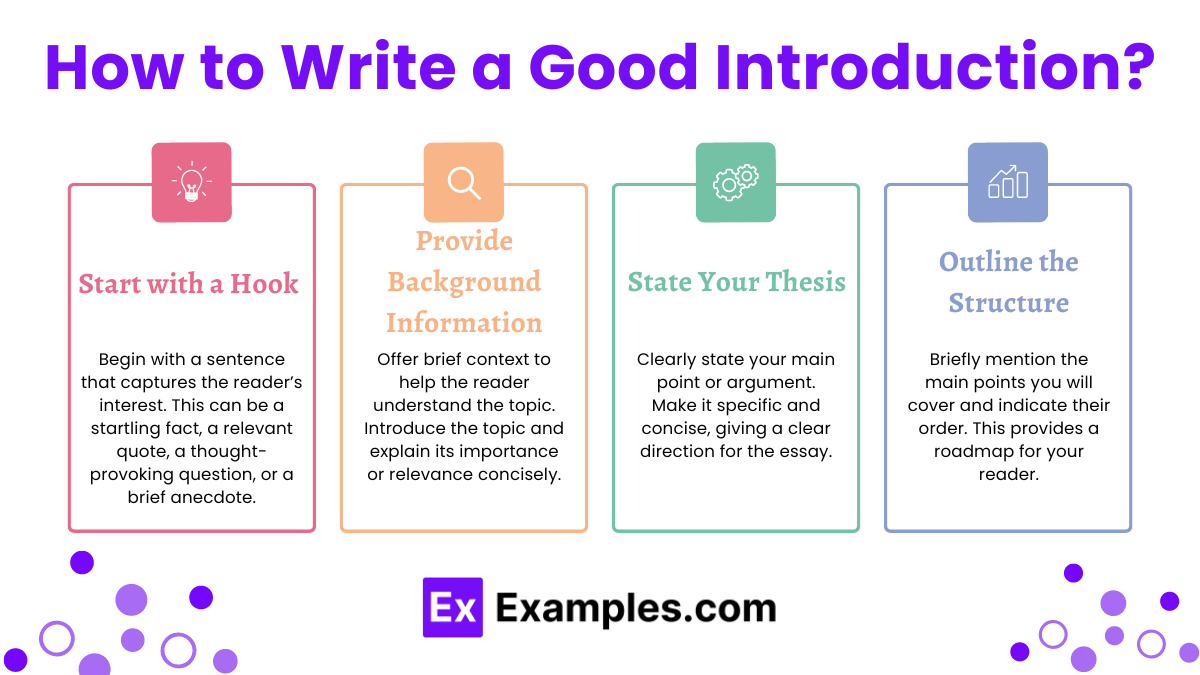
So, how can you craft more effective introductions in your own life, whether you're writing an email, giving a presentation, or simply trying to make a good first impression? Here are a few practical tips:
- Know your audience: Tailor your introduction to their interests, knowledge level, and expectations. What will resonate with them?
- Start with a hook: Use a surprising statistic, a thought-provoking question, a relevant anecdote, or a bold statement to grab their attention.
- Clearly state your purpose: Let your audience know what you're going to be talking about and why it matters to them. What will they gain from engaging with your content?
- Provide context: Set the stage by giving necessary background information or framing the topic in a relevant way.
- Keep it concise: Avoid rambling or including unnecessary details. Get to the point quickly and efficiently. Remember, brevity is the soul of wit!
Ultimately, crafting a good introduction is about understanding your audience and communicating effectively. By focusing on grabbing their attention, establishing context, and clearly stating your purpose, you can significantly improve the impact of your message and leave a lasting impression. So go ahead, practice your intros and watch the doors of opportunity swing open!