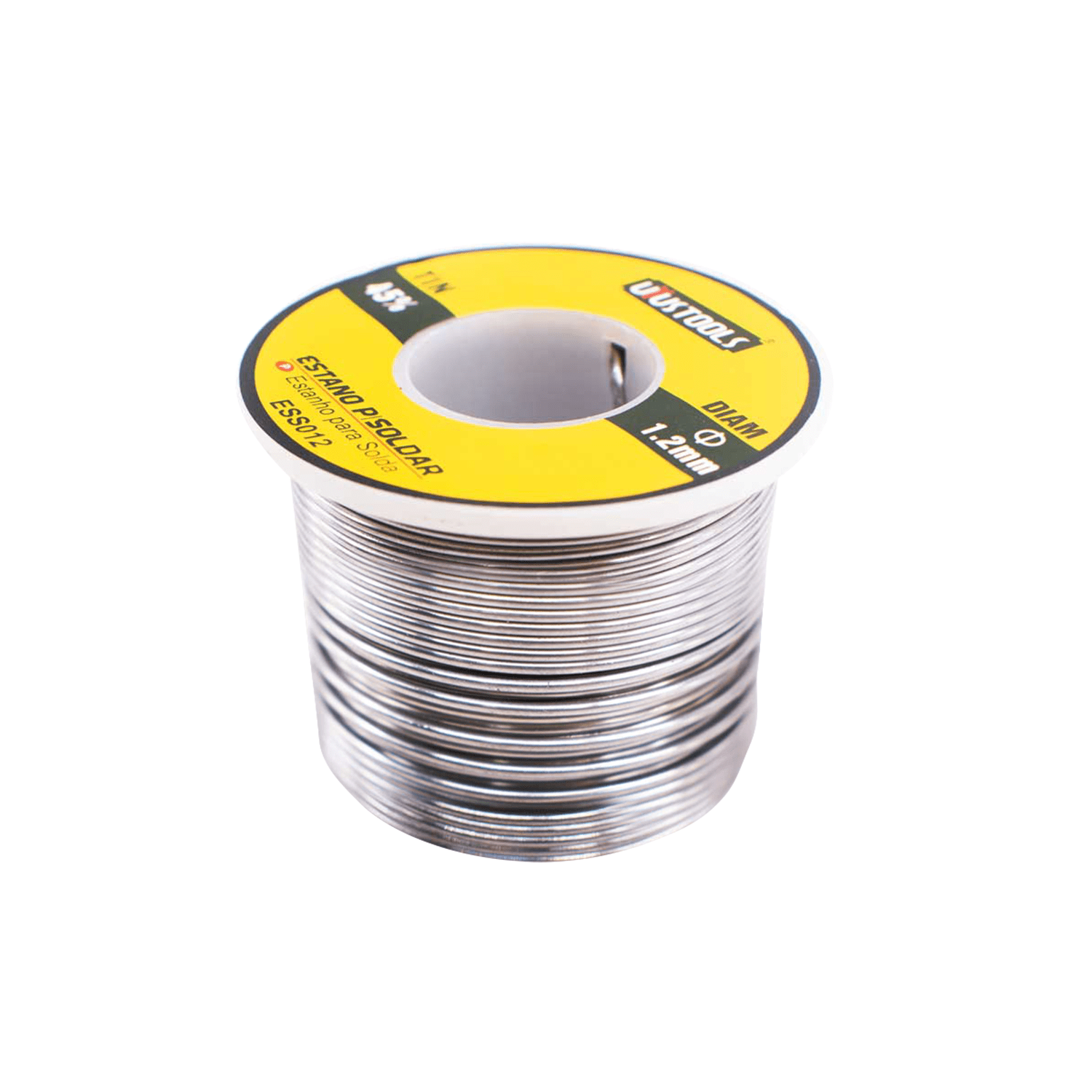
Estaño Para Soldar En Ingles

¡Hola, amigo! Ever found yourself staring at a bag of tiny electronic bits, wondering how on earth they all stick together? Or maybe you've heard someone say "Estaño Para Soldar" and thought, "Huh? What's the English for that magic stuff?" Well, buckle up, because we're about to demystify it all with a smile and maybe a chuckle or two!
You see, "Estaño Para Soldar" is a fantastic way to describe a very cool, very useful material. It literally translates to "tin for soldering." But if you walked into an electronics store in, say, London or New York and asked for "tin for soldering," you might get a few blank stares. They'd probably know what you mean, but it's not the usual lingo.
So, drumroll please... the big reveal! The common, everyday, go-to term you’re looking for in English is simply solder. Yes, just like that! S-O-L-D-E-R. Easy peasy, right?
Must Read
What Exactly Is This "Solder" Stuff?
Think of solder as a superhero glue for electronics and metals, but it's a glue that needs a little heat to do its job. It's essentially a metal alloy – a mix of different metals – that melts at a relatively low temperature. Once it melts, it flows, connects two pieces of metal together, and then solidifies, forming a strong, electrically conductive bond. It’s like giving your circuits a firm, metallic handshake!
Historically, solder was often a mix of lead and tin. But these days, especially with environmental and health concerns (we like keeping our brains working, thank you very much!), you'll mostly find lead-free solder. This modern marvel usually contains tin, often with a dash of copper, silver, or other metals to make it perform beautifully.

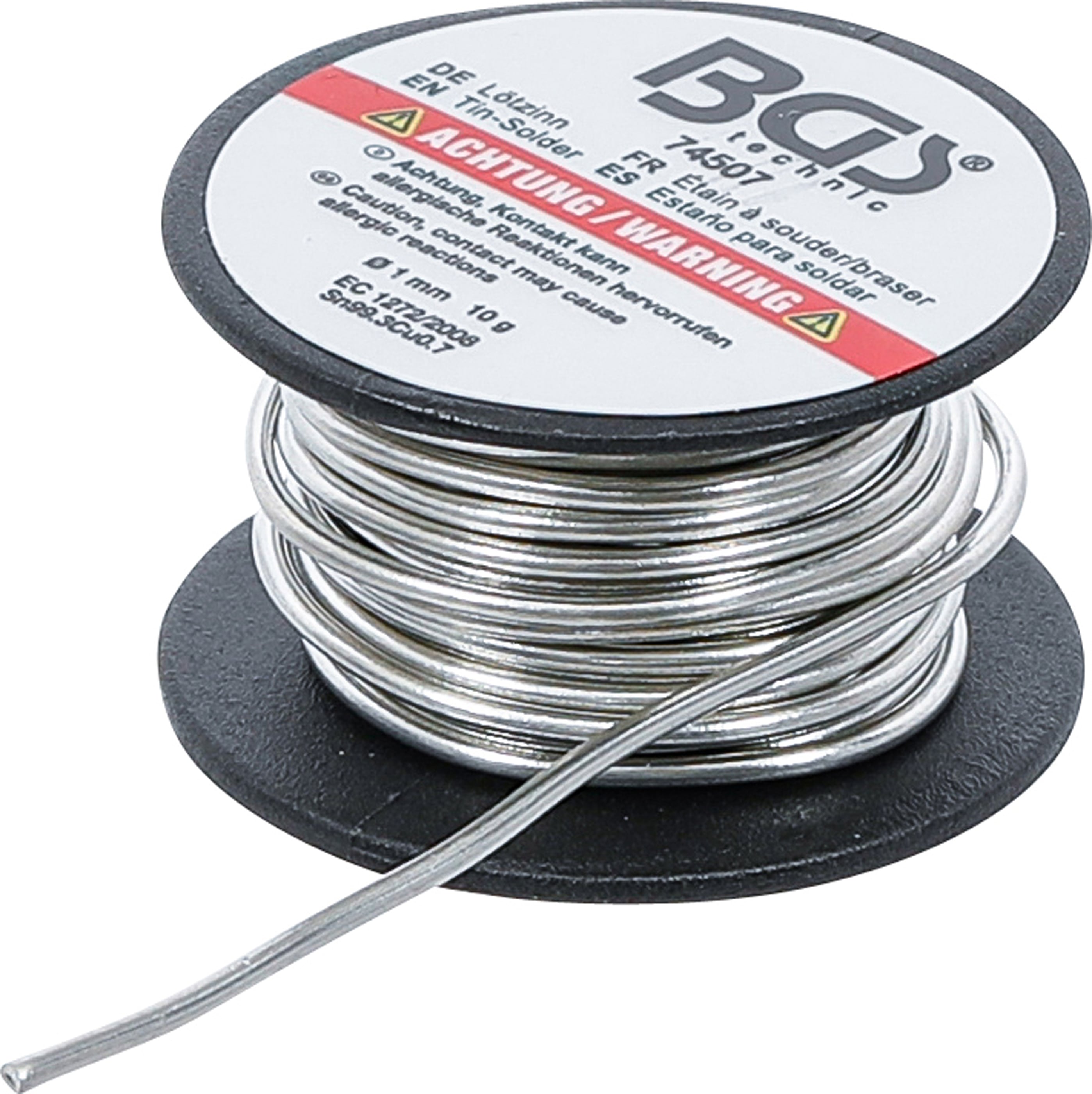
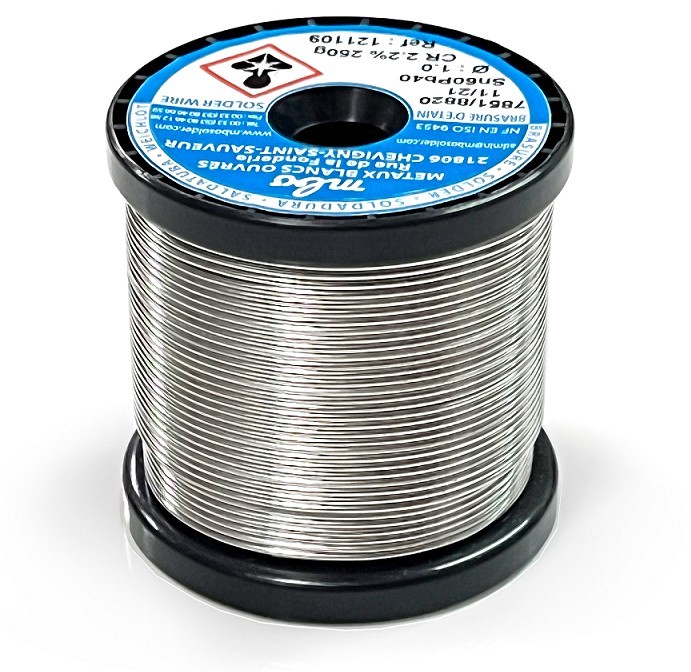
It usually comes as a thin wire, often on a reel, looking a bit like shiny spaghetti. Sometimes it even has a little "filling" inside, called flux, which is like solder's personal cleaning crew, helping the metals bond better. Pretty neat, huh?
Why Is Solder So Important?
Imagine trying to make a light bulb light up without wires connecting to the power source. Or a circuit board where all the tiny components just... floated in mid-air. That's where solder swoops in to save the day! It creates the electrical connections that allow current to flow, making our gadgets, gizmos, and glorious electronics actually work.
From your smartphone to your TV, from that retro arcade game you love to the tiny LED on your charger, solder joints are quietly working behind the scenes. They're the unsung heroes of the electronic world, holding everything together, literally!
A Little Fun With Solder
Learning to solder can feel a bit like learning a new magic trick. You touch a hot
And yes, there's a skill to it. It’s not just globbing it on! But with a little practice, you'll be joining wires and components like a pro. Just remember: hot things are hot, so always be careful and maybe wear some safety glasses. We want those eyes for admiring your awesome soldering work!
So, the next time someone mentions "Estaño Para Soldar," you can confidently say, "Ah, you mean solder!" And then, maybe, you can impress them with your newfound knowledge of its fascinating role in bringing our electronic world to life. It’s a small word, but it unlocks a whole universe of making, fixing, and creating.
Go forth, embrace the magic of solder, and keep those sparks of curiosity flying! Your future self, surrounded by functioning gadgets, will thank you. Now go make something awesome!