
Environmental Problems With Nuclear Power Plants
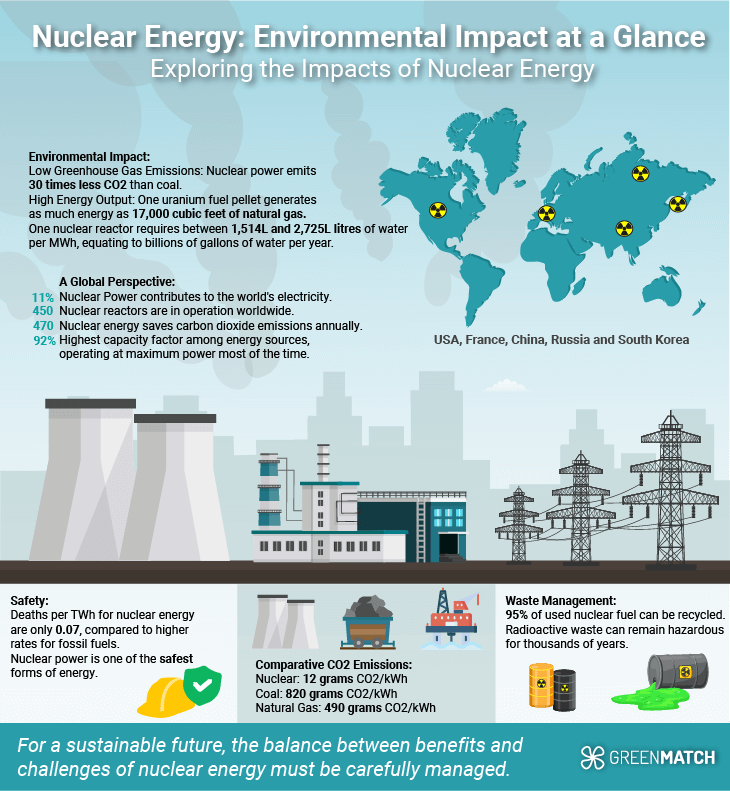
Okay, let's talk nuclear power. It's like that quirky uncle everyone has – a bit intimidating, maybe misunderstood, but potentially a powerhouse of good energy (pun intended!). But, just like quirky Uncle Stan's questionable fashion choices, nuclear power has its own set of environmental challenges. Let’s dive in!
The 'Hot' Topic: Radioactive Waste
First up, the big one: radioactive waste. Imagine leftover glow sticks after a rave that never stops glowing. That's kind of what we're dealing with.
These "spent" fuel rods, though no longer efficient in the reactor, still pack a radioactive punch. They need serious chill time – think thousands of years – before they’re safe enough to hang out with in regular society.
Must Read
The good news? Scientists are total rockstars when it comes to finding clever ways to store this stuff. Deep geological repositories – basically, super-secure underground bunkers – are the current favorite. Think Fort Knox, but for nuclear leftovers.
The funny thing is, these repositories need to be stable for millennia. So, future generations need to understand what's down there. How do you warn people 10,000 years from now? Pictograms of angry glowy skeletons? Giant stone monuments saying, "DO NOT DIG!"? It's a design challenge for the ages!
Water, Water Everywhere… and the Need to Cool
Nuclear power plants, like super-efficient workout buddies, generate a lot of heat. To keep things from overheating, they need a lot of water for cooling. Usually, from nearby lakes, rivers, or the ocean.
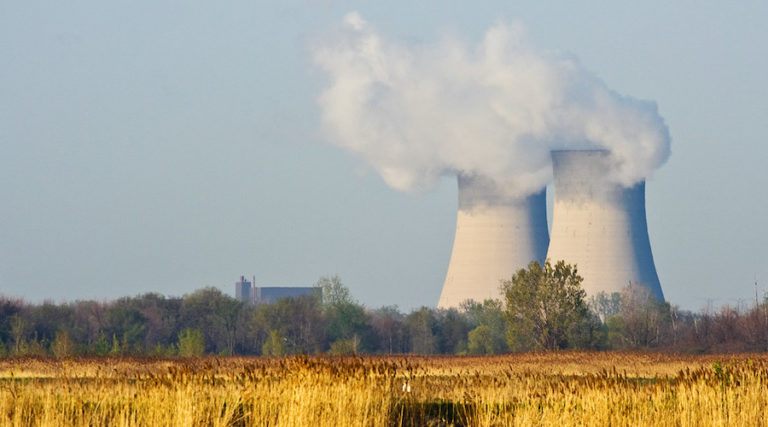
This water gets warmed up in the process, and when it's released back into the environment, it can cause what's called thermal pollution. Imagine taking a nice, cold bath and then someone pours in a bucket of hot water. Not ideal for the fishies.
But it's not all doom and gloom! Some plants have found ways to reuse the warm water for things like… aquaculture! Warm water is good for raising fish. So, you can think of it as turning a potential problem into dinner. Other times it has been used to heat greenhouses to help grow plants! Who knew!
The (Extremely Rare) Oops Factor: Accidents
Okay, nobody likes to talk about accidents. But we need to acknowledge the elephant in the room – or, perhaps, the giant, contained nuclear reaction in the room.
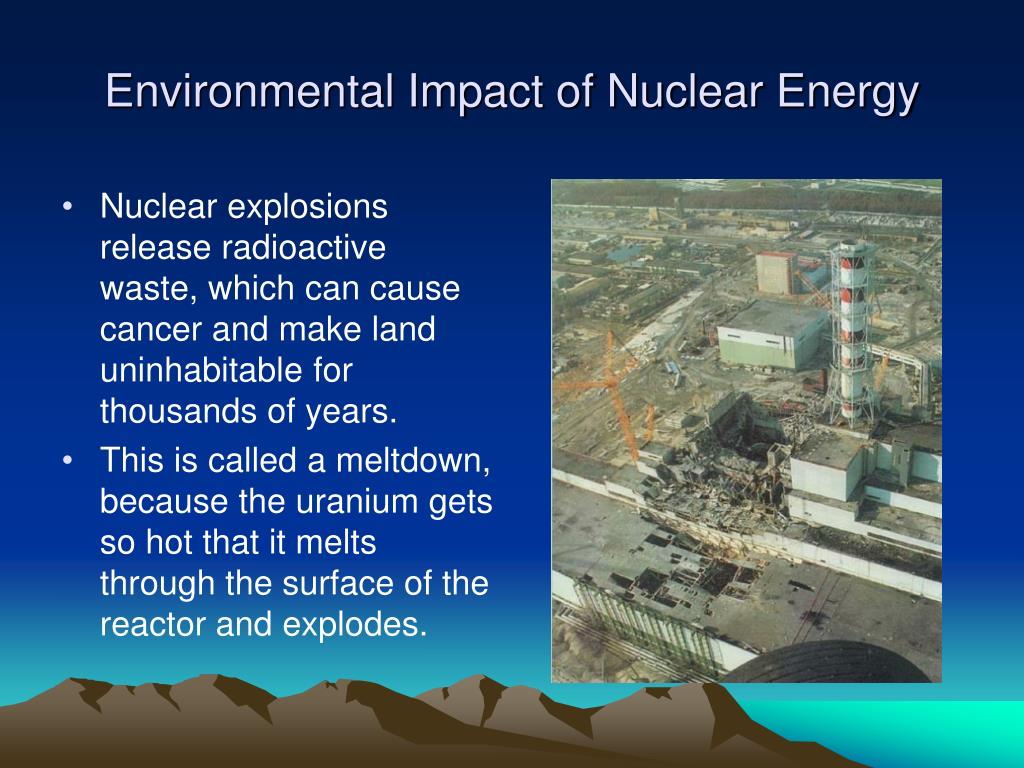
Events like Chernobyl and Fukushima are thankfully rare, but they show us the potential for serious environmental devastation. These accidents released radioactive materials into the air and soil, causing long-term contamination.
Here’s a surprisingly heartwarming twist: in the exclusion zone around Chernobyl, nature is making a comeback. With humans gone, wildlife is thriving. Wolves, lynx, and even Przewalski's horses are roaming free. It's a testament to nature's resilience, even in the face of something so catastrophic.
The key takeaway: safety, safety, safety! Modern nuclear power plants have multiple layers of safety systems designed to prevent accidents and contain radioactive materials. The engineers really think of everything!
Mining Matters: Getting the Uranium
Nuclear power needs fuel, and that fuel is uranium. Getting uranium out of the ground involves mining, which, like any mining operation, can have environmental impacts.
Uranium mines can disrupt ecosystems, pollute water sources, and release radioactive dust. It’s like stirring up a hornet’s nest, but with less buzzing and more potential health hazards.
The good news is that there are regulations in place to minimize these impacts, and companies are working on more sustainable mining practices. Plus, research is being done on extracting uranium from seawater – imagine, an endless supply of nuclear fuel from the ocean!
The Future is Bright (and Possibly Nuclear-Powered)
So, nuclear power has its environmental challenges. No doubt about it.
But let's not throw the baby out with the bathwater (or the spent fuel rods, as the case may be). Nuclear power also has some serious environmental benefits. Notably, it produces very little greenhouse gas during operation, making it a potential ally in the fight against climate change.

Scientists are also working on new types of nuclear reactors that are safer, more efficient, and produce less waste. Small modular reactors (SMRs) are gaining traction as a potential game-changer. They're smaller, easier to build, and have enhanced safety features.
Imagine a future where nuclear power is clean, safe, and sustainable. It might sound like science fiction, but it's a goal that's within reach. And who knows, maybe Uncle Stan's fashion sense will improve, too. One can only hope!
Let's remember, no energy source is perfect. They all come with trade-offs. The key is to weigh the pros and cons, invest in innovation, and make informed decisions about how we power our world. Maybe we can have our nuclear cake and eat it too!
So, the next time you think about nuclear power, remember the quirky uncle, the glow stick rave leftovers, and the wolves thriving in Chernobyl. It's a complex and fascinating story, with plenty of room for optimism and innovation. The end!