Environmental Issues With Plastic Water Bottles

Ah, the refreshing convenience of a plastic water bottle. Let's be honest, we've all been there. Whether it's grabbing one from the gas station on a long road trip, stashing a few in our gym bag for a tough workout, or simply keeping a chilled bottle at our desk to stay hydrated throughout the day, these ubiquitous containers have become ingrained in our modern lifestyles. There's something incredibly reassuring about having clean, readily available water at your fingertips, especially when you're on the go.
The benefits of plastic water bottles are undeniable in many respects. They offer a safe and portable source of hydration, particularly in situations where access to clean tap water is limited or uncertain. They're relatively inexpensive, readily available in almost any store, and come in a variety of sizes to suit different needs. Think of emergency situations like natural disasters, where pre-packaged water bottles can be a lifesaver. Or consider busy parents juggling kids' sports practices and errands – a quick grab-and-go water bottle can be a sanity saver. They also serve a crucial role in promoting hydration, which is essential for our health and well-being. A visual reminder, readily available, can encourage us to drink more water throughout the day.
You see them everywhere: the standard 16.9-ounce bottles stacked high in grocery stores, the larger sports bottles clutched by athletes, and even novelty bottles shaped like cartoon characters to entice kids. They're a constant presence in our lives, a symbol of convenience and on-demand hydration. We use them at the gym, at school, at work, on hikes, and pretty much everywhere in between.
Must Read
But here's the thing: our reliance on plastic water bottles comes at a significant environmental cost. The production of these bottles requires vast amounts of petroleum, a non-renewable resource. The manufacturing process also consumes a considerable amount of energy and water, contributing to greenhouse gas emissions and water scarcity in some regions. And then there's the issue of transportation, as bottles are shipped from manufacturing plants to distribution centers and finally to stores across the country (and even the world), adding to the carbon footprint.
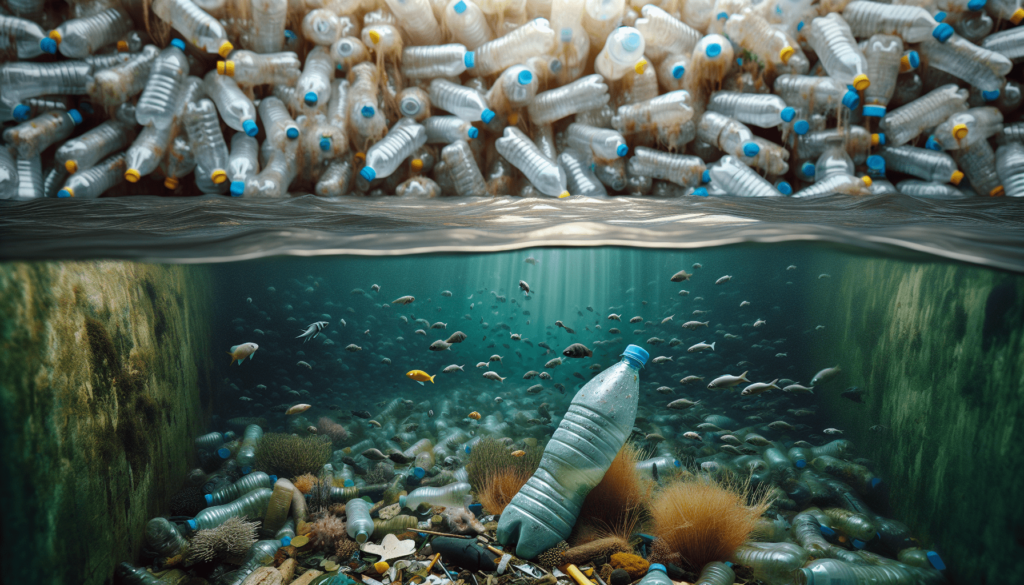
The biggest problem, however, is what happens to these bottles after we've emptied them. While many plastic water bottles are technically recyclable, the reality is that a large percentage end up in landfills or, worse, in our oceans. Plastic waste can take hundreds of years to decompose, and in the meantime, it can leach harmful chemicals into the soil and water. In our oceans, plastic debris can entangle marine life, be ingested by sea creatures, and contribute to the formation of massive garbage patches. This poses a serious threat to marine ecosystems and ultimately, to our own health.

So, how can we enjoy the benefits of convenient hydration while minimizing the environmental impact? The key is to be more mindful and make some simple changes. First, invest in a reusable water bottle. There are countless options available, from stainless steel to glass to BPA-free plastic. Find one that you like and make it your go-to. Second, refill your reusable bottle whenever possible. Carry it with you and fill it up at water fountains, refill stations, or even at home before you leave. Third, if you do need to buy a plastic water bottle, make sure to recycle it properly. Check your local recycling guidelines to see what types of plastic are accepted. Finally, support companies that are committed to sustainable practices and packaging.
By making these small adjustments, we can all contribute to a more sustainable future and reduce the environmental burden of our love affair with convenient hydration. Let's choose to quench our thirst responsibly and protect our planet for generations to come.