Environmental Impact Of The Petroleum Industry
Let's face it, a lot of what makes modern life comfortable and convenient relies on something we often take for granted: petroleum. Think about it. That smooth morning commute in your car, the cozy warmth of your home in winter, or even the clothes you're wearing - chances are, petroleum played a significant role in making those things possible. We love the freedom and ease that these aspects bring to our daily routines, and understanding the source behind them is pretty important.
The benefits of the petroleum industry are woven into the fabric of our lives. At its core, petroleum provides us with energy. It fuels our cars, airplanes, and ships, allowing us to travel and transport goods across vast distances. It powers factories, keeping our economy humming. But petroleum is more than just fuel. It's also a crucial feedstock for a vast array of products. Plastics, for example, are derived from petroleum and are used in everything from packaging and electronics to medical devices and construction materials. Asphalt, another petroleum product, paves our roads, making them durable and safe. Even the fertilizers that help grow our food rely, in part, on the petroleum industry.
You see its applications everywhere. Consider your daily commute: the gasoline powering your car is a petroleum product, as are many of the car's components (tires, dashboards, etc.). At home, the natural gas heating your water and home is extracted from the earth. Your computer, phone, and television all contain plastic components made from petroleum. The food you eat may have been transported in refrigerated trucks fueled by diesel and packaged in plastic. Even the clothes you wear could contain synthetic fibers derived from petroleum. It's a surprisingly pervasive industry.
Must Read
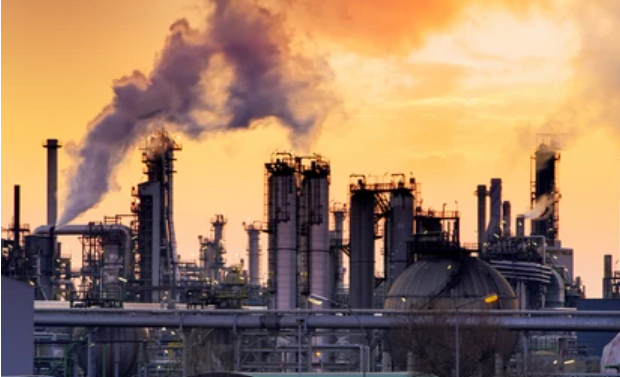
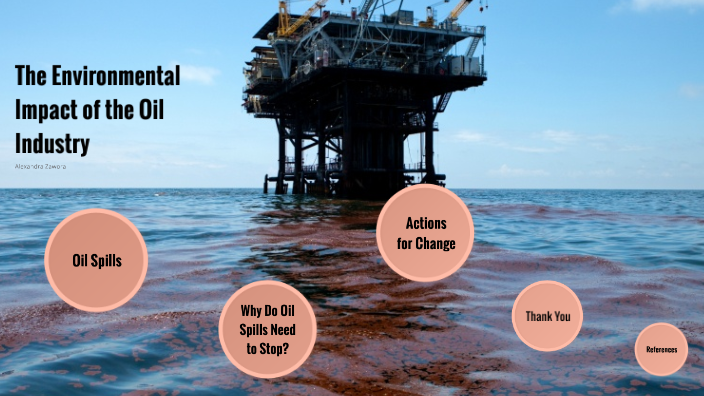
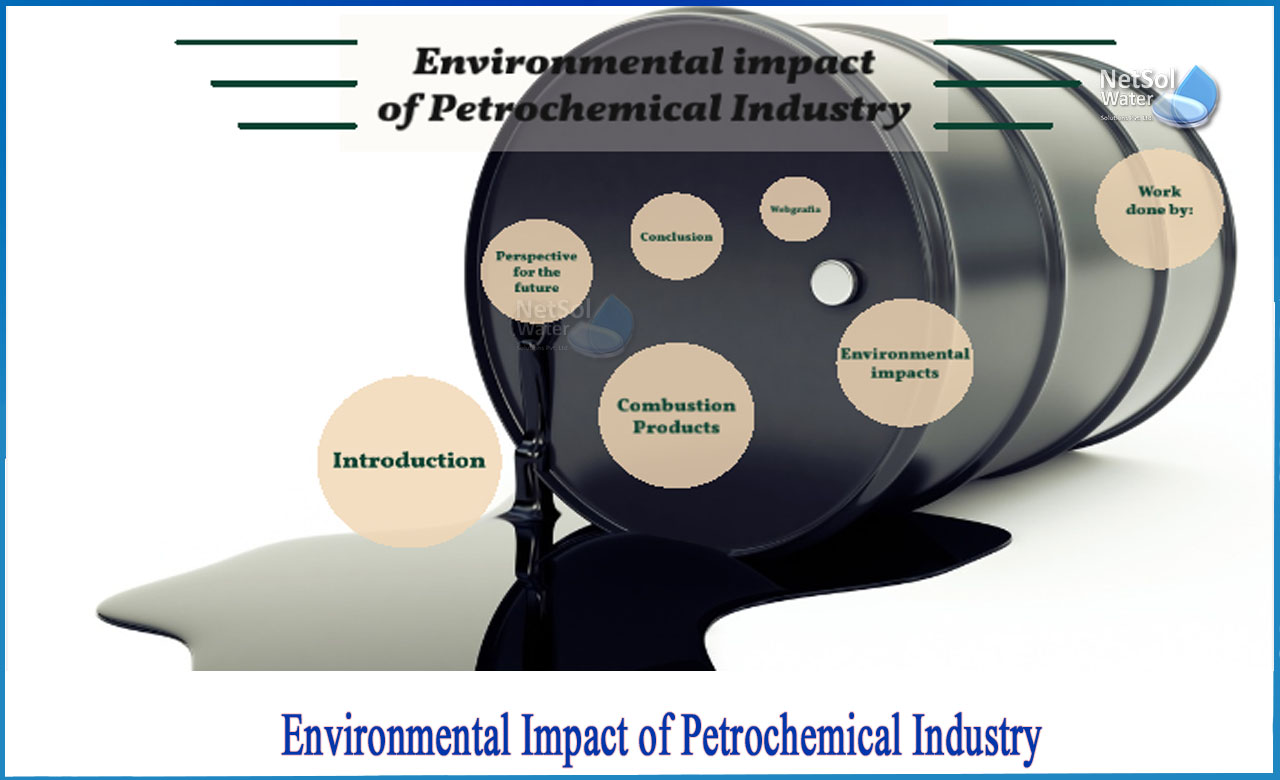
However, enjoying the benefits of petroleum more effectively also means acknowledging its environmental impact and finding ways to mitigate it. The extraction, transportation, and refining of petroleum can lead to air and water pollution, habitat destruction, and contribute to climate change. It's a serious issue, and one that we need to address collectively.
So, how can we enjoy the benefits of petroleum more effectively and responsibly? Here are a few practical tips:
- Drive less: Consider walking, biking, or using public transportation whenever possible. Carpooling with colleagues or friends is another great option.
- Choose fuel-efficient vehicles: When buying a car, prioritize fuel efficiency. Consider hybrid or electric vehicles.
- Maintain your vehicle: Regular maintenance can improve your car's fuel economy and reduce emissions.
- Reduce your plastic consumption: Opt for reusable bags, water bottles, and food containers. Recycle plastics whenever possible.
- Support sustainable energy sources: Advocate for policies that promote renewable energy sources like solar, wind, and geothermal power.
- Conserve energy at home: Turn off lights when you leave a room, unplug electronics when not in use, and insulate your home properly.
Ultimately, responsible engagement with the petroleum industry involves a conscious effort to minimize its environmental footprint. By adopting these practices, we can continue to enjoy the benefits of petroleum while working towards a more sustainable future. Remember, small changes can make a big difference. And supporting companies and initiatives that prioritize environmental responsibility can further contribute to a greener world for everyone.