
Energy That Comes From The Sun
.PNG)
Okay, picture this: It's a lazy Saturday morning. You've hit snooze maybe one (or five) too many times, and finally, you roll over. A beam of sunshine, impossibly bright and warm, is piercing through a gap in your curtains, landing right on your face. You squint, maybe even groan a little, but deep down, there's this undeniable comfort in that warmth, isn't there? It’s a little kiss from the cosmos, a gentle reminder that the world is still spinning and, hey, it’s a beautiful day out there.
Ever stopped to think about what that little sunbeam really is? Beyond just making your cat happy and helping your succulents thrive, that glorious golden glow is packed with an astonishing amount of raw power. And guess what? We humans, in our clever, sometimes chaotic way, have figured out how to tap into it. Not with magic wands (sadly), but with some seriously cool tech.
The OG Power Source
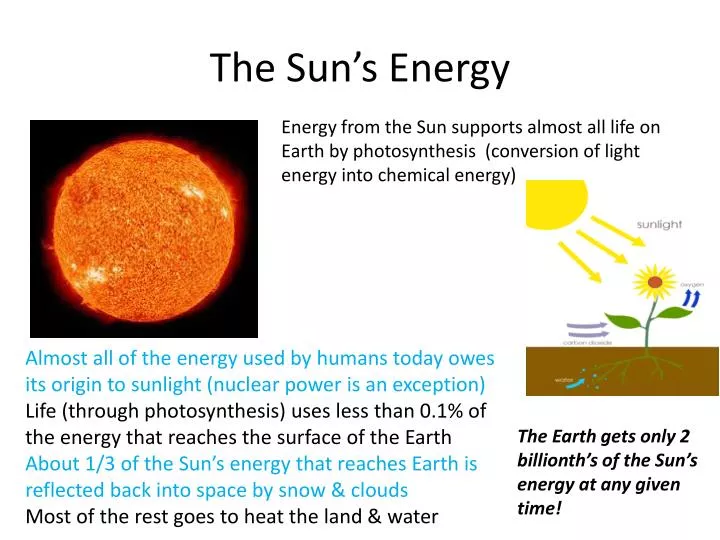
Think about it for a sec, folks. For billions of years, the sun has been our planet's ultimate energy provider. It’s the reason plants grow (hello, photosynthesis!), the reason we have weather, and frankly, the reason we exist. It’s literally the engine of life on Earth. And what we're talking about when we say "energy from the sun" is essentially figuring out how to catch some of that boundless energy and turn it into something useful for our modern lives – mostly electricity, but also heat!
Must Read
It's not some new-fangled idea that just popped up, either. Ancient civilizations were already using the sun to warm their homes and light fires with magnifying glasses. We've just gotten a whole lot more sophisticated about it. Like, a lot more.
How Do We Actually Catch This Stuff?
You've seen them on roofs, right? Those sleek, dark panels. Those, my friends, are our primary tools for wrangling sunshine: solar panels. They're technically called photovoltaic (PV) cells, which sounds super science-y, but the basic idea is pretty simple. When sunlight hits these panels, which are usually made of materials like silicon, it literally knocks electrons loose. These freed electrons then start to flow, creating an electric current. Boom! Electricity from sunlight.

It’s almost like a tiny, silent dance happening on your roof – photons from the sun (those tiny packets of light) doing a tango with electrons in the silicon, making them jump and create power. No moving parts, no fuel burning, just pure, unadulterated physics. Pretty neat, huh? Beyond electricity, we also use solar thermal systems to heat water directly, which is fantastic for things like hot showers without constantly burning gas or electricity from the grid.
Why Should We Even Care? (The Good Stuff!)
Okay, so it's clever, but what's the big deal? Well, pull up a chair, because this is where it gets really good. First off, it’s clean energy. Like, super clean. Once those panels are up and running, they don't produce any greenhouse gases, no nasty pollutants, nada. This is a massive win for our planet, which, let's be honest, could use a break from all the fossil fuel fumes. Mother Earth gives a grateful sigh every time a new solar panel goes up.
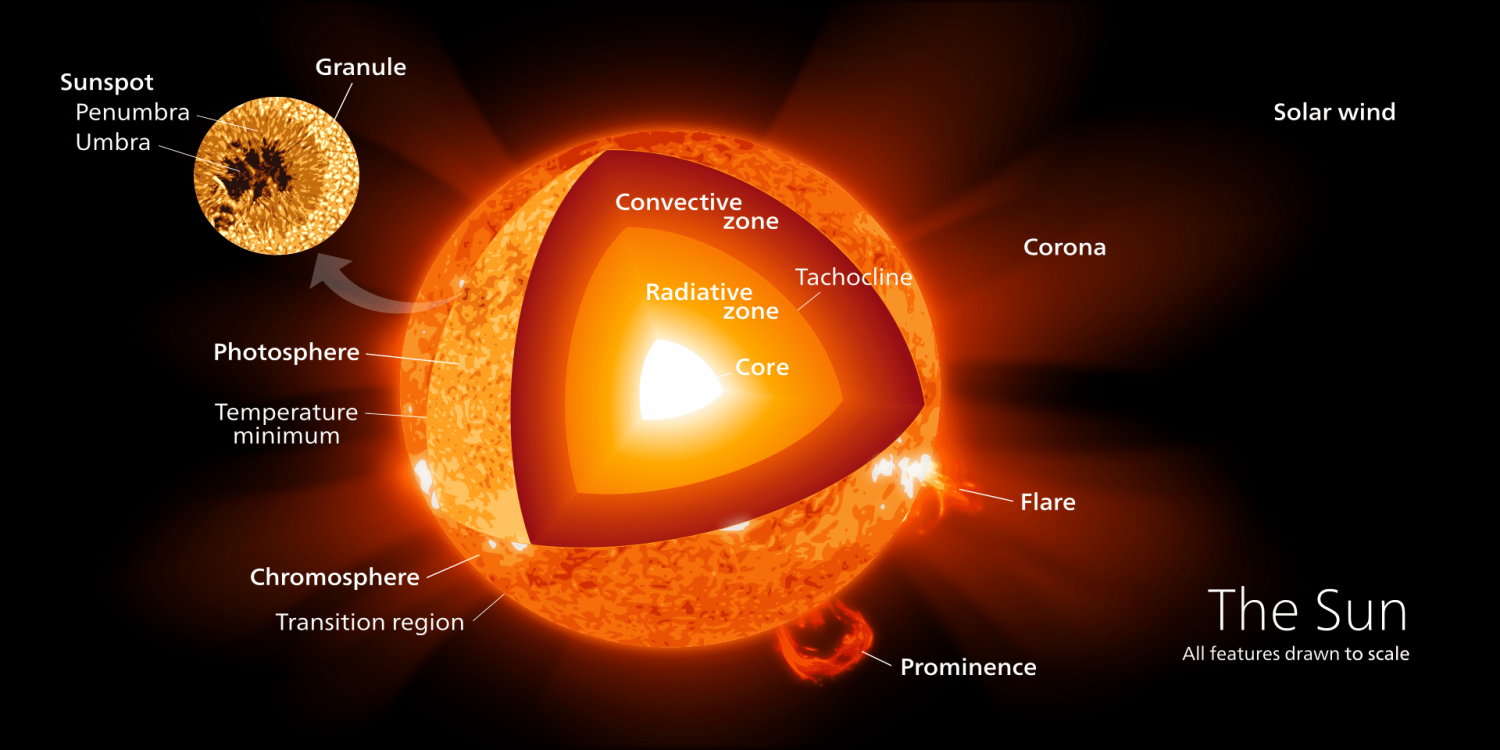
Secondly, it's renewable. And by renewable, I mean it's not going anywhere for about another 5 billion years (give or take). As long as the sun shows up for work every day, we've got a practically infinite energy supply. Compare that to finite resources like oil or coal, and you start to see the beauty of it. No running out, ever!
And then there's the money aspect. For homeowners and businesses, going solar can mean significantly lower electricity bills, and sometimes even getting paid for the excess energy you produce. Who doesn't love a fatter wallet and a bit more energy independence? It's almost too good to be true, isn't it?
Not Without Its Quirks
Now, I'm not going to sit here and tell you it's all sunshine and rainbows (pun intended!). There are, of course, challenges. You might be thinking, "Yeah, yeah, I hear you – what about cloudy days? Or, you know, night-time?" And you'd be absolutely right to ask! Solar energy is intermittent; it only works when the sun is shining. This is where energy storage solutions, like big batteries, come into play, getting increasingly better and cheaper. Also, the initial cost of installing solar panels can still be a hurdle for some, though prices have plummeted over the years and continue to do so.
But these aren't insurmountable problems. We're constantly innovating, finding smarter ways to store energy, improve panel efficiency, and make solar accessible to everyone. The future looks bright, literally!
So, next time you feel that wonderful warmth on your face, or see those dark panels glinting on a rooftop, remember that it's more than just light. It's a vast, powerful, and remarkably clean energy source, waiting for us to harness it. It's a testament to human ingenuity, and a hopeful glimpse into a sustainable future. Pretty cool, right?
