Energy Efficiency Of Air Conditioning Systems
Hey there, cool cats! Ever wondered how much energy your AC unit is really sucking up? We're diving into the world of air conditioning energy efficiency today, and trust me, it's more fascinating than you might think. Why? Because understanding it can save you money and help the planet. And who doesn’t want that?
Let's be honest, in the sweltering heat, air conditioning feels like a modern-day miracle. But miracles come at a cost, right? A big chunk of our energy bills goes straight to keeping us cool, and that energy has to come from somewhere. So, is there a way to stay comfortable without breaking the bank or turning into an energy hog?
What Makes an AC Efficient Anyway?
Think of your AC like a cheetah. Some cheetahs are lean, mean, energy-efficient running machines, while others... well, they might need a little more help getting across the savanna. The same goes for ACs!
Must Read
Energy efficiency in ACs boils down to how well they convert electricity into cool air. The better the conversion, the less energy they waste, and the lower your electricity bill. Makes sense, right?
But how do we measure this "cheetah-like" efficiency? Enter the SEER rating!

SEERiously Cool Ratings
SEER stands for Seasonal Energy Efficiency Ratio. It's basically a report card for your AC. The higher the SEER rating, the more efficient the unit. Think of it as miles per gallon for your AC. The higher the MPG, the further you can go on a gallon of gas. The higher the SEER, the more cooling you get per unit of energy.
Older ACs might have SEER ratings as low as 6 or 8. Modern, energy-efficient units, on the other hand, can boast SEER ratings of 16, 18, or even higher! That’s a HUGE difference!
So, should you run out and buy the AC with the highest SEER rating possible? Well, not so fast. It's a balancing act. Units with higher SEER ratings usually cost more upfront. You need to consider how long you plan to stay in your home, how often you use your AC, and the climate you live in. A higher SEER might save you more in the long run, but you need to do the math to be sure!
Beyond the Numbers: Little Things That Make a Big Difference
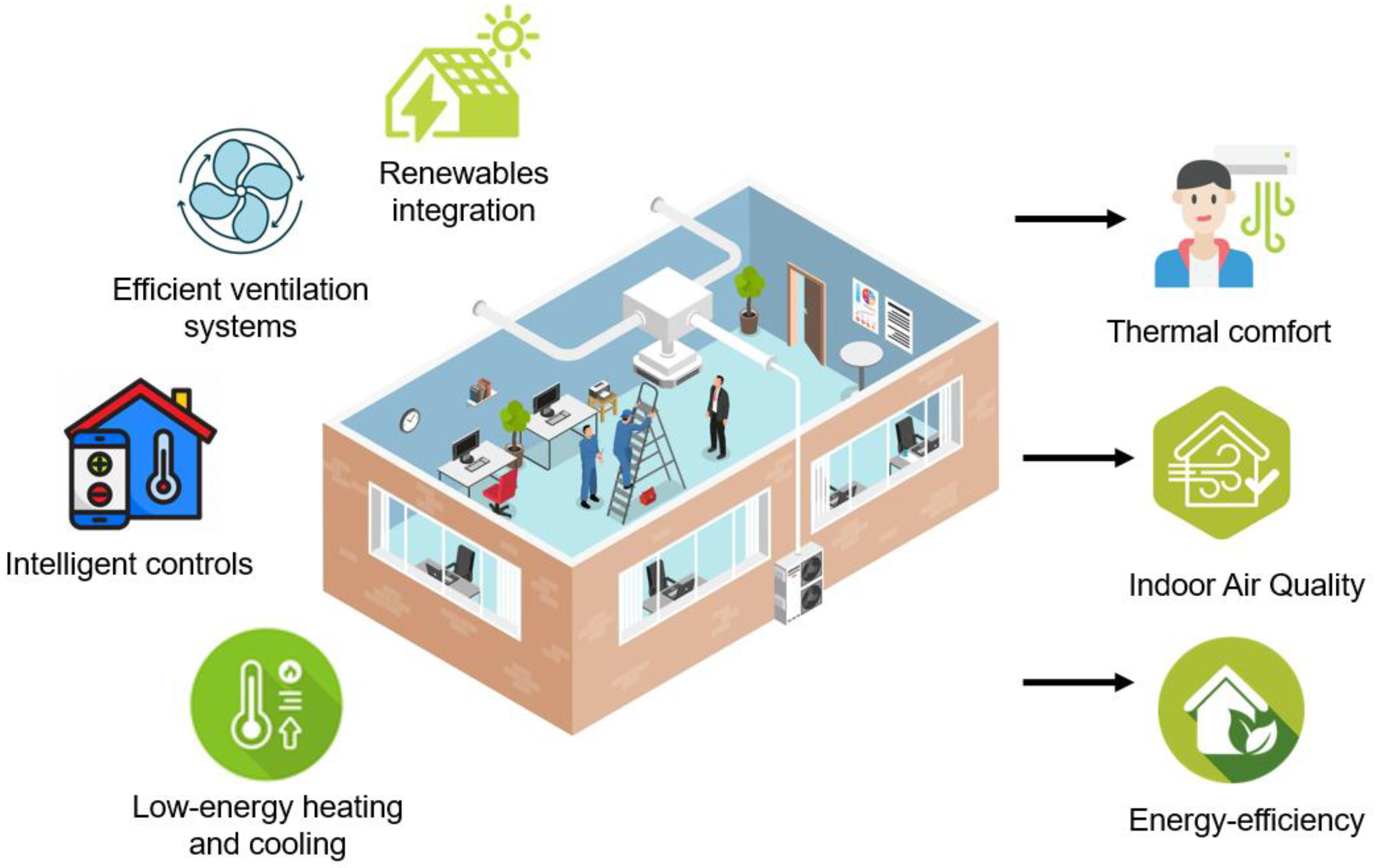
It's not just about the SEER rating. There are plenty of simple things you can do to boost your AC's energy efficiency, regardless of how old or new it is.
- Regular Maintenance: Think of it like taking your car in for an oil change. Clean air filters and properly maintained coils keep your AC running smoothly and efficiently. Dirty filters make your AC work harder, wasting energy.
- Seal the Deal: Are there gaps around your windows and doors? You might as well be air conditioning the great outdoors! Sealing up those leaks can make a huge difference.
- Smart Thermostats: Programmable thermostats are like having a tiny energy-saving robot in your home. You can set them to automatically adjust the temperature when you're away or asleep, saving energy without sacrificing comfort.
- Shade it Up: Sunlight streaming through your windows can heat up your home like an oven. Close your curtains or blinds during the hottest part of the day to keep the heat out.
- Don't Overcool: Do you really need to set your thermostat to 65 degrees? Every degree cooler you set your thermostat, the more energy your AC uses. Try setting it a few degrees higher and see if you still feel comfortable. You might be surprised!
Why Bother? Is Energy Efficiency Really That Important?
Okay, so maybe you’re thinking, "Yeah, yeah, saving a few bucks is nice, but is it really worth all the effort?"

Think about it this way: Air conditioning is a major energy hog. Reducing our AC energy consumption not only saves us money but also reduces our carbon footprint. It's a win-win!
By making small changes and choosing energy-efficient AC units, we can all contribute to a more sustainable future. Plus, those extra savings can go towards something fun, like a vacation or that fancy gadget you've been eyeing!
So, next time you crank up the AC, take a moment to think about energy efficiency. It's not just about saving money; it's about making a conscious choice to live a more sustainable and comfortable life. Stay cool, my friends!