
Electricity Rates By Time Of Day
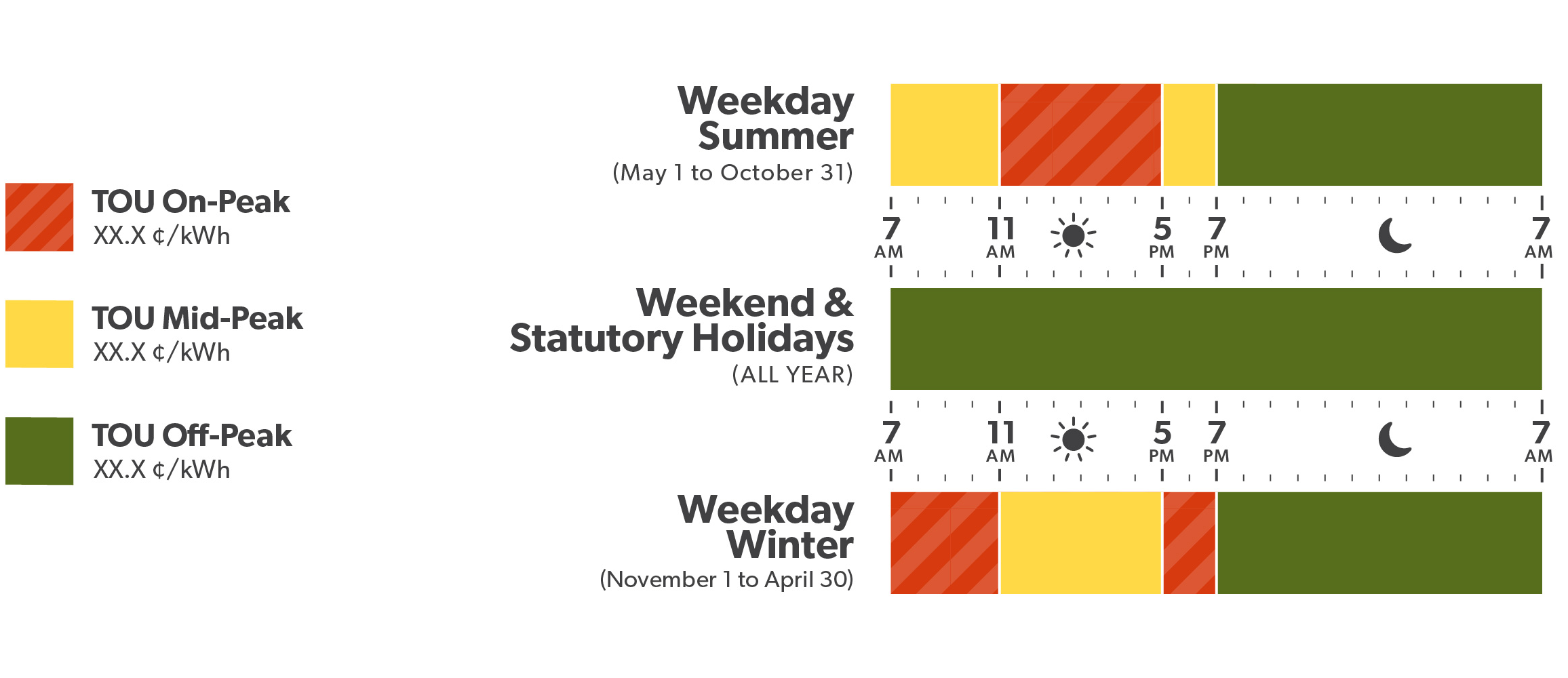
Alright, settle in, grab another coffee. I’ve got a confession to make. For years, I thought my electricity bill was just some mystical, unavoidable beast that showed up every month, taunting me with its astronomical numbers. I’d curse the toaster, glare at the fridge, convinced they were in cahoots to bankrupt me. But then, my friends, I discovered a secret. A clandestine operation happening right under our noses. It turns out, your electricity isn't just electricity. Oh no, it's a chameleon, changing its price throughout the day!
Welcome to the wild, wonderful world of Time-of-Use (TOU) electricity rates. Sounds fancy, right? Like something out of a spy movie? Well, in a way, it is. Because knowing this secret can help you outsmart the system and save some serious dough.
The Great Power Heist: How it Works
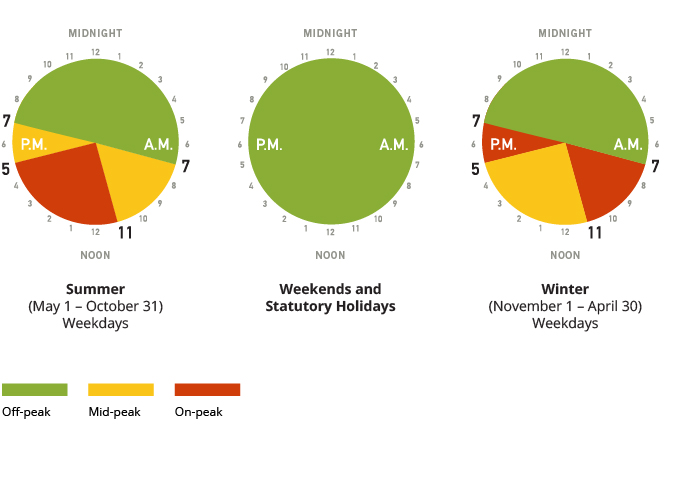
Imagine your local electricity grid as a very tired barista. During the morning rush, everyone wants their latte right now. Same thing in the evening, after work, when everyone's coming home, flipping on lights, cranking the AC, cooking dinner, and doing laundry all at once. That’s when the barista (the grid) is swamped, stressed, and everything costs a little more. These are your peak hours.
Must Read
Conversely, late at night, or perhaps in the middle of a lazy Saturday afternoon when most people are out and about? The barista is chilling, probably scrolling TikTok, and those lattes are suddenly a steal. These are your off-peak hours.
Many utilities have a third category too: mid-peak hours. These are like the shoulder times, not quite a mad rush, not quite deserted. Think of it as happy hour, but for your clothes dryer.
Who’s Playing This Game?
It’s not some random conspiracy, I promise. Utilities set these rates to encourage us all to spread out our electricity usage. If everyone ran their dishwashers and charged their electric cars at the same exact moment, the grid would buckle under the strain. It’s about managing demand and ensuring stability. Plus, generating power during peak times can be more expensive for them, so they pass those costs on. It’s a classic supply-and-demand tango.
The really shocking part? The difference between peak and off-peak can be huge. We're not talking pennies. In some areas, off-peak rates can be two or even three times cheaper than peak rates. That’s like buying a latte for $2 at 2 AM that would cost you $6 at 8 AM. Mind-blowing, right?
Your Appliances Have a Secret Life (and a Price Tag)
Now, here's where the fun begins. Start thinking about your energy-hungry appliances. Your washing machine. Your dryer. That beastly dishwasher. Your electric vehicle charger. Even your air conditioning or heating can be a major player.
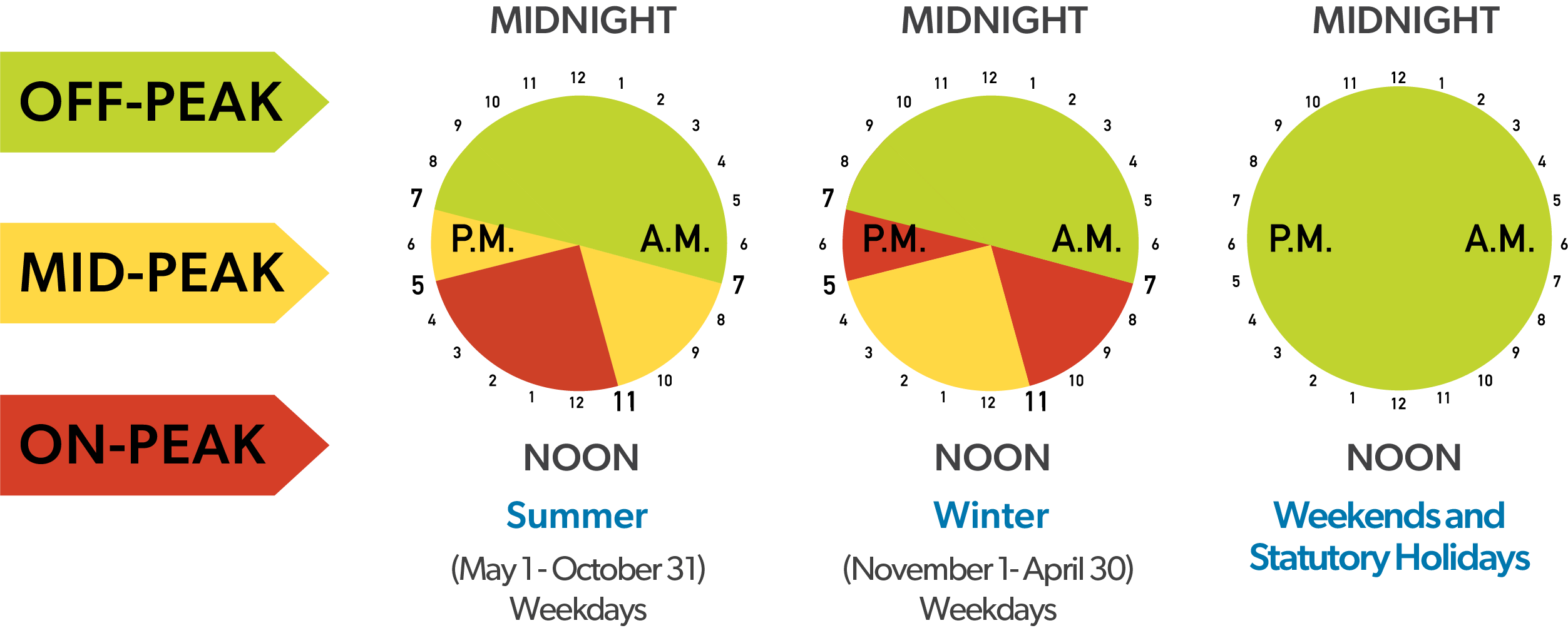
During peak hours (often late afternoon to early evening, say 4 PM to 9 PM, but always check your specific utility's times!), running your big appliances is like throwing money into a bonfire. You’re essentially paying a premium for the privilege of using power when everyone else wants it.
But during off-peak hours (usually overnight, and often all day on weekends and holidays), it’s a different story. That’s when your dishwasher hums with the satisfaction of a job well done, knowing it’s practically doing its work for free. Your laundry load spins merrily, costing mere pocket change.

Becoming a Peak-Hour Ninja
So, how do you become a master of this time-shifting sorcery? It’s simpler than you think. Start by checking your utility's website. They’ll have a clear breakdown of their TOU rates and times. Print it out, stick it on your fridge. Frame it, even! It’s your new sacred text.
Then, start shifting. Can you run the dishwasher right before bed instead of right after dinner? Can you do laundry on Sunday mornings instead of Tuesday evenings? Can you set your EV to charge overnight? Many modern appliances even have delay start timers – use them! They're not just for convenience; they're for strategic financial warfare!
Another trick for the climate control fanatics: pre-cool or pre-heat. If you know peak rates kick in at 4 PM, blast the AC at 3 PM to get your house nice and chilly. Then, when the expensive hours hit, you can turn it down or even off for a bit, letting your well-insulated home hold the temperature. It's like putting your house in a thermal holding pattern.
The Bottom Line (and Your Wallet's Happiness)
Understanding time-of-use rates isn’t about living in the dark ages or becoming a midnight laundry goblin (unless you want to, no judgment!). It’s about being smart. It’s about taking control of a part of your budget that often feels out of reach.
So, next time you go to flip on that power-hungry appliance, pause. Check the clock. Ask yourself, "Is this latte worth the peak-hour price?" A little awareness, a few simple shifts, and you could be looking at a significantly lighter electricity bill. And who knows, maybe that extra cash can go towards, well, more coffee. You deserve it, you smart energy-saver, you!