
Electricity Out In Part Of House

It’s a tale as old as time, or at least as old as modern wiring. You’re happily going about your day, maybe brewing that crucial morning coffee, or perhaps just scrolling through TikTok in bed. Then, suddenly, silence. Darkness. A moment of pure, unadulterated panic as you think, “Oh no, the whole grid is down!”
But then you notice it. The light in the hallway is still on. Your neighbor’s porch light is definitely twinkling. And wait, the TV in the living room is still blaring cartoons for the kids. Ah, the plot thickens! You haven't lost all power, just a part of your house. It’s like the electricity decided to go on a selective strike, leaving some areas buzzing and others in a quiet, dark protest.
We've all been there. One minute you're about to pop popcorn for movie night, the next the microwave is a stone-cold, silent box. But the fridge, bless its humming heart, is still keeping your ice cream safe. Or maybe it’s your bedroom – one lamp is bright, but the other, and your phone charger, are stubbornly refusing to cooperate. It’s a bit like a scavenger hunt, but instead of chocolate eggs, you’re hunting for the source of electrical frustration!
Must Read
The Great Circuit Breaker Mystery
So, what’s going on when only part of your house goes dark? Most of the time, the hero (or villain, depending on your mood) of this story is your circuit breaker. Think of your circuit breakers as tiny, vigilant bodyguards for your home’s electrical system. They’re constantly monitoring the flow of electricity to different parts of your house.
Each circuit breaker is responsible for a specific “zone” or circuit. So, if one of these zones decides it’s had enough – perhaps you’ve plugged in too many gadgets, or there’s a sneaky little problem with an appliance – that bodyguard steps in. It says, "Woah there, partner! That's too much!" and trips. When a breaker trips, it essentially cuts off the power to that specific circuit to prevent overheating or damage. It's like a mini-power-cut, but only for that one section.
Why Should You Even Care (Besides the Cold Coffee)?
Beyond the obvious inconvenience of not being able to toast your bread or charge your laptop, there are some pretty good reasons to pay attention when only part of your house goes dark.
First off, it’s about safety, safety, safety! A tripped breaker isn’t just a random act of electrical defiance; it’s a warning sign. It often means a circuit was overloaded, which can be a fire hazard if left unchecked. Imagine plugging in your toaster, coffee maker, and electric kettle all at once into the same outlet strip. That's like asking a single lane on a highway to handle rush-hour traffic for an entire city. Your circuit breaker bravely intervenes before things get too hot to handle.
Secondly, understanding these partial outages can save you a headache and some cash. Often, the culprit is simply too many devices plugged into one circuit. We all have that "octopus" power strip with five things plugged in, right? Unplugging a few things and resetting the breaker can bring everything back to life without needing to call an electrician. It feels pretty empowering, like you’ve solved a household riddle all on your own!
Third, it helps you identify potential issues with appliances. If a circuit keeps tripping even after you've unplugged everything else, it might mean one of your beloved gadgets is a bit faulty and needs some professional attention (or maybe a gentle retirement). Catching these issues early can prevent bigger problems down the line. Nobody wants a sparking microwave!
Your Mini Guide to Getting Back in the Light
So, what do you do when the lights go out, but only partially?
1. Don't Panic (and check other lights): Confirm it's just a section of your house.
2. Locate your electrical panel: This is usually in a basement, garage, or utility closet. It’s a metal box with a door.
3. Find the culprit: Look for a breaker that's flipped to the "OFF" position, or sometimes it's "tripped" to a middle position between "ON" and "OFF." It won't be perfectly aligned with the others.
4. Unplug devices from the affected area: Especially anything you just plugged in or was running when the power went out. This is crucial! You need to relieve the overload before resetting.
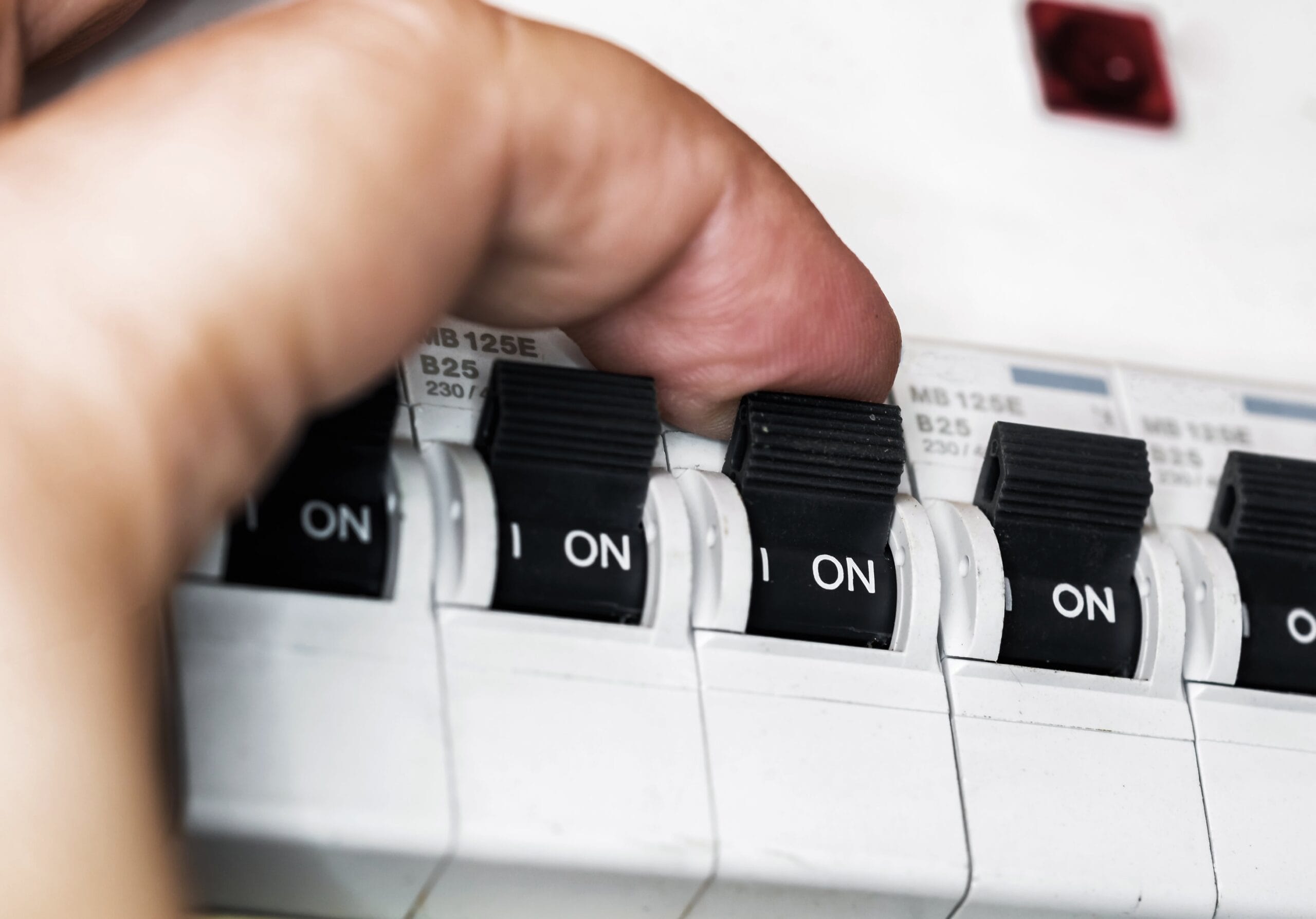
5. Reset the breaker: Firmly push the tripped breaker all the way to the "OFF" position, and then flip it back to "ON." You should hear a satisfying click.
And voilà! Hopefully, your power is restored. If it trips again immediately, or if you're ever unsure, always call a qualified electrician. There's no shame in seeking expert help to keep your home safe and sound.
So next time your bedroom lights play hide-and-seek, remember: it’s not the end of the world, but a friendly little reminder from your electrical system to pay attention. A little understanding goes a long way in keeping your home humming safely and your coffee brewing!