Electrical Appliances And Their Power Ratings

Ever wondered how much electricity your toaster is really using? Or if that fancy new gaming PC is going to bankrupt you with sky-high electric bills? Understanding the power ratings of your electrical appliances might sound a bit dull, but trust me, it's surprisingly fascinating – and incredibly useful! It's like having a secret decoder ring to understand your energy consumption. Knowing this information can save you money, prevent electrical overloads, and even help you make more informed decisions when buying new gadgets.
So, who benefits from knowing about appliance power ratings? Pretty much everyone! Beginners can learn the basics of how electricity works in their homes. This knowledge empowers them to understand their electricity bills and make simple changes to conserve energy. Families can use this information to track energy consumption and teach kids about responsible energy use. Imagine turning it into a fun game: "Guess which appliance uses the most power!" And for the hobbyists, like those into home automation or electronics, understanding power ratings is crucial for planning projects, building circuits safely, and optimizing energy efficiency.
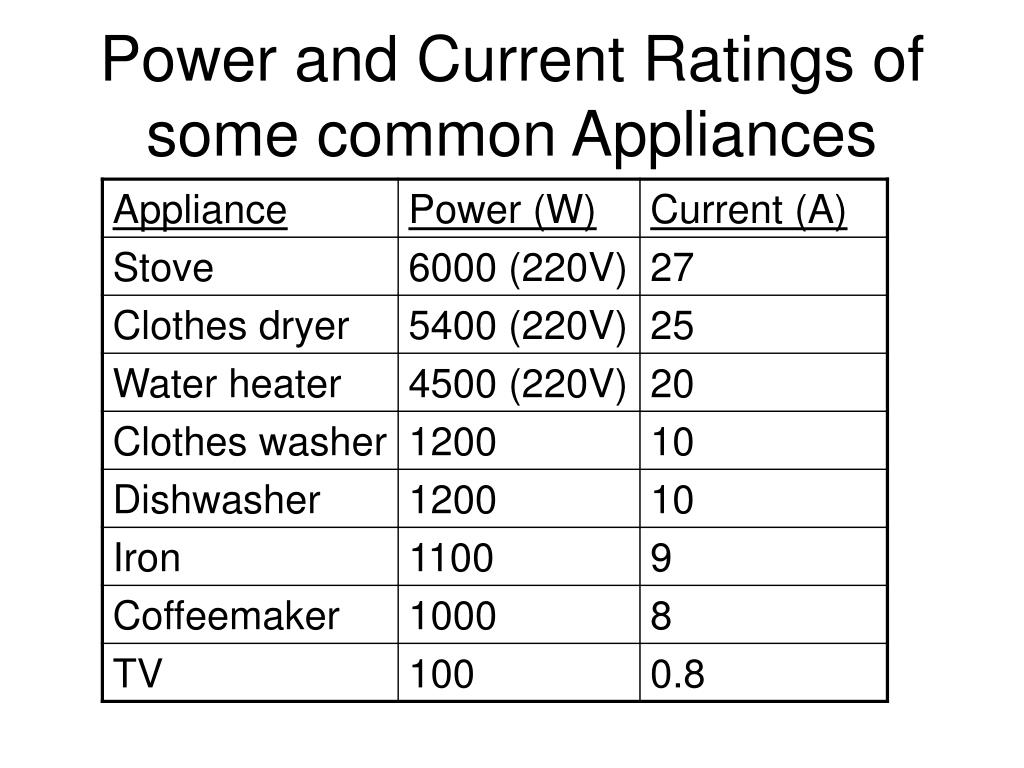
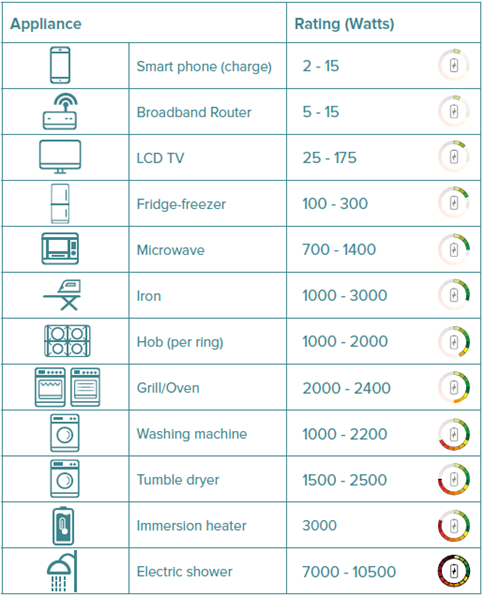
Let's dive into some examples. You'll often see power ratings expressed in watts (W) or kilowatts (kW) (1 kW = 1000 W). A simple light bulb might be rated at 60W, while a microwave oven could be closer to 1000W (or 1kW). A refrigerator, running constantly, might have a lower average power consumption, perhaps around 150-200W, but its starting current can be significantly higher. Then you have heavy hitters like electric heaters, which can easily draw 1500W or more. Variations exist even within the same type of appliance. A small portable air conditioner will use significantly less power than a whole-house central AC system. Likewise, an energy-efficient LED TV will consume far less power than an older plasma screen.
Must Read
So, how do you get started? It’s easier than you think! First, check the appliance itself. Usually, there's a sticker or label on the back or bottom that lists the power rating in watts. If it only lists the current in amps (A) and the voltage (V), you can calculate the power using the formula: Power (W) = Voltage (V) x Current (A). In most homes, the voltage is around 120V (in North America) or 230V (in Europe). Next, start tracking your usage! You can use a simple notebook or a spreadsheet to note the power rating of your main appliances. There are also smart plugs and energy monitors that can provide real-time data on your energy consumption. Finally, look for energy-efficient appliances when you need to replace an old one. Look for the Energy Star label; these appliances are designed to use less power while providing the same performance.
Understanding electrical appliance power ratings isn't just about saving money (though that's a definite bonus!). It's about becoming more aware of your energy footprint and making informed decisions that benefit both your wallet and the environment. Once you start looking, you'll be surprised at how much you learn and how much control you gain over your energy consumption. It's a small step towards a more sustainable and cost-effective lifestyle, and who wouldn't enjoy that?