
Electric Vehicle Charging Requirements For Home
So, you're thinking about joining the electric revolution, huh? Welcome to the club! Trading in that gas guzzler for a sleek, silent EV is a big step. But before you start dreaming of zero emissions and saving the planet (one silent mile at a time), let's talk about something crucial: charging at home. It's like getting a puppy – adorable, exciting, but requires a little preparation.
Think of your EV as a really, really big phone. You wouldn't let your phone die completely, would you? Same goes for your electric car. And unless you live next to a public charging station and enjoy nightly walks in your pajamas, charging at home is the way to go.
The Humble Outlet: Level 1 Charging
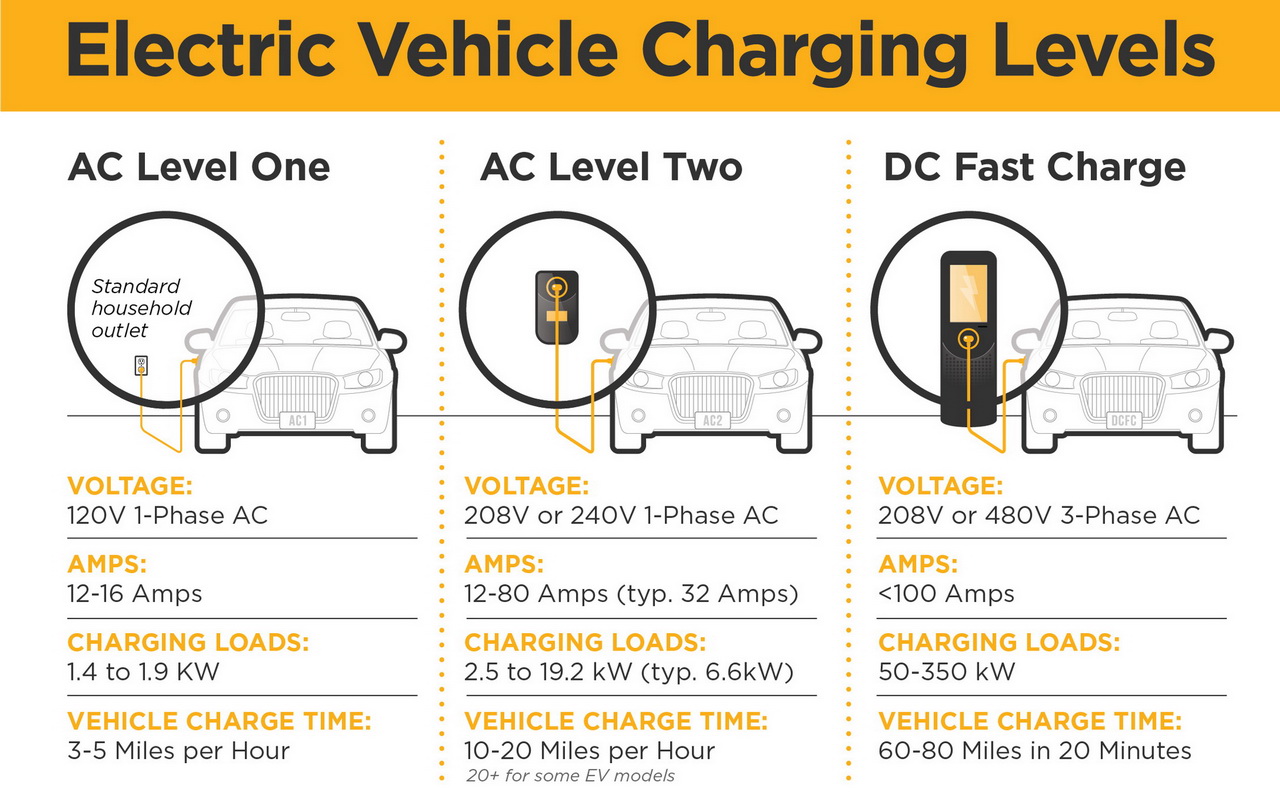
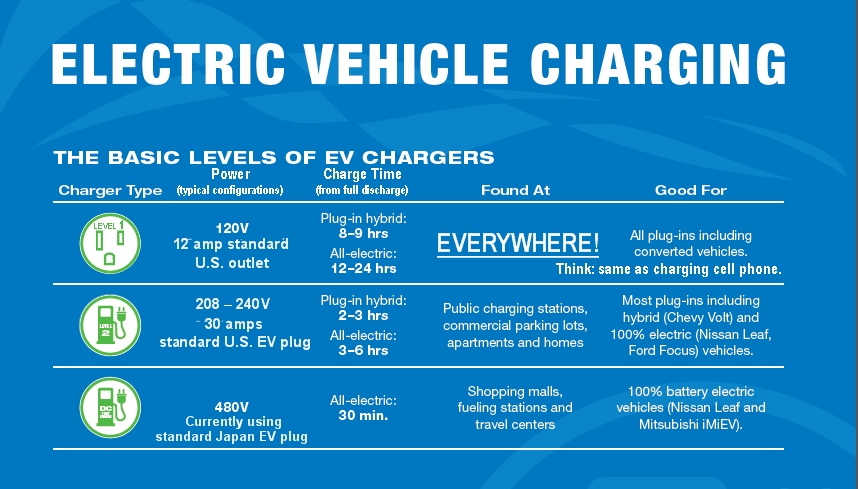
Okay, let's start with the basics. You know that standard wall outlet you use for your toaster, your lamp, and that weird singing fish your aunt gave you? That's Level 1 charging. It's the slowest of the slow. Imagine filling a swimming pool with a garden hose. Yeah, it'll work, eventually.
Must Read
Level 1 charging typically adds only about 3-5 miles of range per hour. So, if you're just topping off after a short commute or only drive on weekends, this might be enough. But if you're planning a cross-country road trip… well, pack a deck of cards and prepare for a long wait.
The Upgrade: Level 2 Charging
This is where things get interesting. Level 2 charging is like upgrading from that garden hose to a fire hose (metaphorically, of course. Don't actually use a fire hose on your car). It requires a 240-volt outlet, similar to what you'd use for your dryer or oven. This usually means calling in an electrician to install a dedicated circuit.
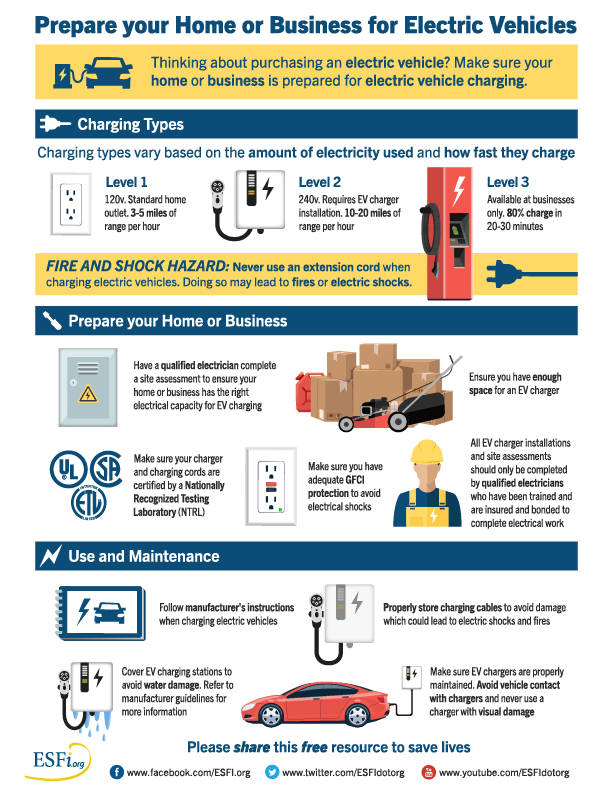
Think of it as finally getting that jacuzzi you've always wanted. A little bit of upfront investment, but oh-so-worth it in the long run! A Level 2 charger can add about 12-80 miles of range per hour, depending on the charger and your car's capabilities. Now we're talking!
Pro-tip: Don't skimp on the electrician! Get a qualified professional. Trust me, you don't want to be "that neighbor" whose EV charger causes a neighborhood blackout.
Choosing Your Charger: Hardwired vs. Plug-in
Once you've got your 240-volt outlet, you'll need to choose a charger. You have two main options: hardwired and plug-in. Hardwired chargers are permanently connected to the electrical system, while plug-in chargers, well, plug in.
Hardwired chargers are generally considered more reliable and can sometimes handle higher amperage. Plug-in chargers offer more flexibility; you can unplug them and take them with you if you move (or, you know, lend them to a friend in desperate need). It's like the difference between a built-in microwave and a countertop one. Both cook popcorn, but one's more permanent.
Amperage: The Current Situation
Amperage is like the size of the pipe delivering the electricity. The higher the amperage, the faster you can charge. Most home chargers offer options ranging from 16 amps to 50 amps. Your car will have a maximum charging rate, so be sure to check that before buying a charger. Getting a 50-amp charger when your car can only handle 32 amps is like ordering a giant pizza when you're only slightly peckish. Wasteful!
Smart Chargers: The Brains of the Operation
Want to be extra fancy? Consider a smart charger. These come with all sorts of bells and whistles, like Wi-Fi connectivity, smartphone apps, and the ability to schedule charging during off-peak hours (saving you money!). They can also track your energy usage and even integrate with your smart home system. It’s like having a personal charging butler. Not essential, but definitely cool.
So, there you have it: a crash course in home EV charging. It might seem daunting at first, but with a little planning and a good electrician, you'll be charging your electric steed in no time. And remember, a charged EV is a happy EV (and a happy driver!). Now go forth and electrify!
.jpg)