
Electric Power And Electric Energy Difference
Ever wondered what the difference is between electric power and electric energy? It's like the difference between a sprint and a marathon. One is a burst of activity, the other is sustained effort.
Think of your trusty hair dryer. When you switch it on, it demands a certain amount of power. It's the hair dryer flexing its electrical muscles.
That power is like the rate at which the hair dryer is eating electricity at that very moment. It's asking for juice, and asking now!
Must Read
Power: The Hair Dryer's Hasty Hunger
Power, in simple terms, is how quickly electrical energy is being used. It's measured in watts (W).
A higher wattage means the appliance is demanding more electricity right now. Imagine a race car burning fuel – that’s high power!
So, a 1500-watt hair dryer is a pretty hungry beast, sucking up electricity like it’s going out of style.
Consider a light bulb. A 100W bulb needs more power than a 40W bulb. The 100W shines brighter but requires more electrical oomph at any given moment.
It’s like comparing a small child asking for a cookie to a teenager demanding a whole pizza. The teenager's got a higher power demand!
Energy: The Hair Dryer's Total Feast
Now, let's talk about energy. It's the total amount of electricity the hair dryer uses over time. Think of it as the whole feast, not just the immediate bite.
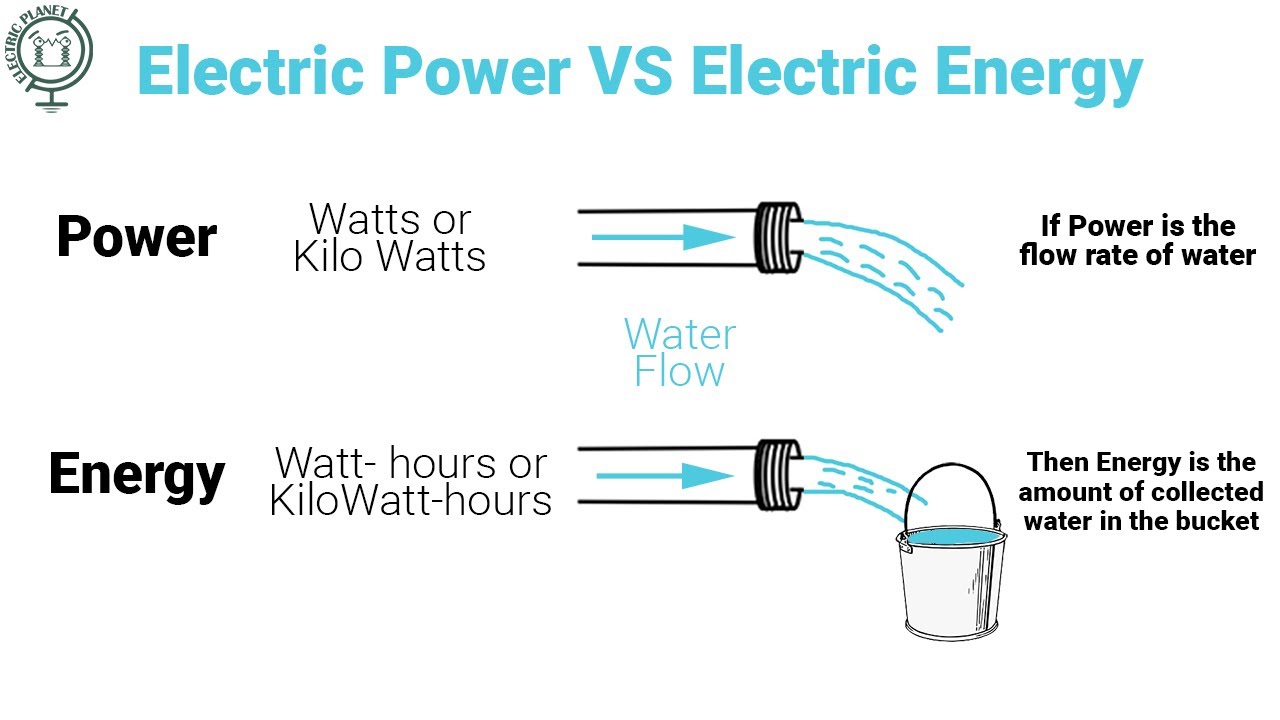
Energy is measured in kilowatt-hours (kWh). That's the unit your electricity bill uses. It's power multiplied by time.
A kilowatt-hour means using 1000 watts of power for one hour. Imagine that hair dryer running full blast for 40 minutes.
So, even if your microwave has high power when it's running, if you only use it for a few minutes each day, its total energy consumption might be lower than your refrigerator, which sips power constantly.
It's like comparing a hummingbird that zips around all day (high power bursts, but short duration) to a tortoise that moves slowly and steadily (low power, but long duration).
Putting It All Together: The Electric Bill Mystery Solved
Your electricity bill is based on your total energy consumption. The more kilowatt-hours you use, the higher the bill.
Think of it like calories. Power is the rate at which you're burning calories at this moment. Energy is the total number of calories you've burned throughout the day.
Therefore, your lightbulb uses a certain wattage of power. However, the amount of hours it is running will dictate the energy usage.
A Lighthearted Analogy: Water, Water Everywhere!
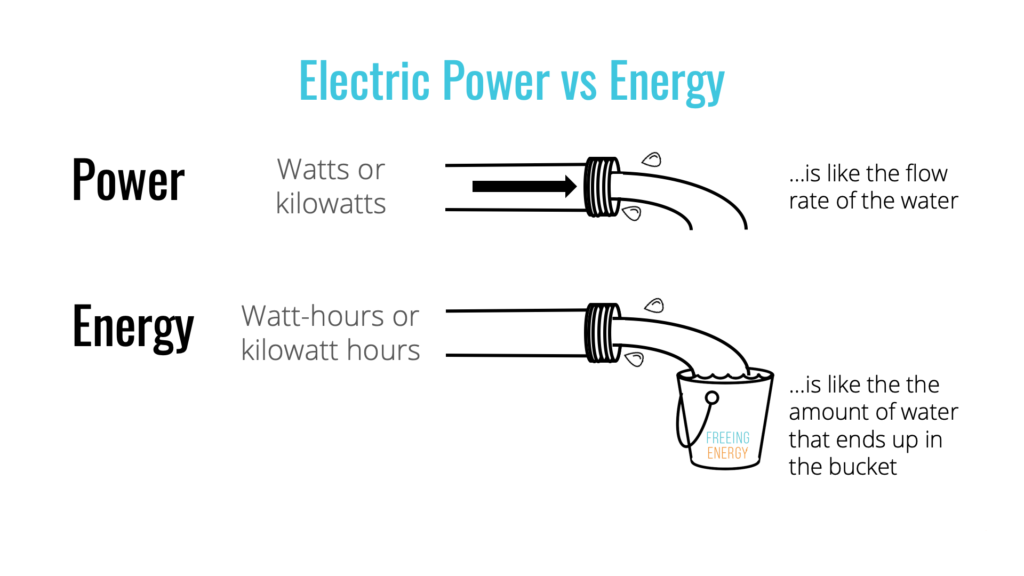
Imagine a water faucet. The power is how much water is flowing out of the faucet per second. A fire hose has high power.
The energy is the total amount of water that flows out over time. Even a slow drip, if left running for a week, can result in a lot of water (high energy consumption).
Similarly, a device with high power used briefly might consume less energy than a device with low power used constantly.
Saving Energy: A Superhero's Duty
Knowing the difference between power and energy can help you save money and be more environmentally friendly. Turn off lights when you leave a room. Unplug chargers when they're not in use. These simple steps reduce your energy consumption.
Choosing energy-efficient appliances (like those with an Energy Star rating) is another great way to reduce your electricity bill. These appliances use less power to perform the same task.

It is all about lowering power usage or shortening running time, and sometimes both!
Switching to LED light bulbs is a great example. They use much less power than traditional incandescent bulbs, saving you energy over their lifespan.
The Unexpected Hero: Your Toaster
Even your humble toaster has a power rating. Next time you're making toast, take a look at the label. You might be surprised!
While your toaster has high power when it's toasting, it’s only on for a few minutes. So, it probably doesn't contribute a huge amount to your overall energy consumption.
But if you are toasting bread for an army of people, it adds up!
Consider this: a vintage tube TV might have lower power on paper than a modern LED, but it takes much longer to warm up and show the picture which will affect the overall energy consumption.
Beyond the Home: Power and Energy on a Grand Scale
The concepts of power and energy apply on a much larger scale as well. Power plants generate electric power, which is then transmitted to homes and businesses.
The total amount of electricity generated and consumed by a city or country is its energy consumption.
Investing in renewable energy sources like solar and wind power can help reduce our reliance on fossil fuels and lower our overall energy consumption. It is using less power in the long run.
A Final Thought: Embrace the Electrical Enlightenment!
Understanding the difference between electric power and electric energy empowers you to make informed decisions about your electricity usage. It allows you to be an active and responsible consumer. Even your smartphone has its own power demands.
So, the next time you see your electricity bill, don't just shrug and pay it. Take a moment to appreciate the magic of electricity and how it powers our modern lives. It is also helpful to keep in mind power vs energy when buying something with a battery.
Think about the difference between the sprinting cheetah (high power) and the long-distance migrating bird (high energy total!).