Electric Car Charging Station Installation Cost

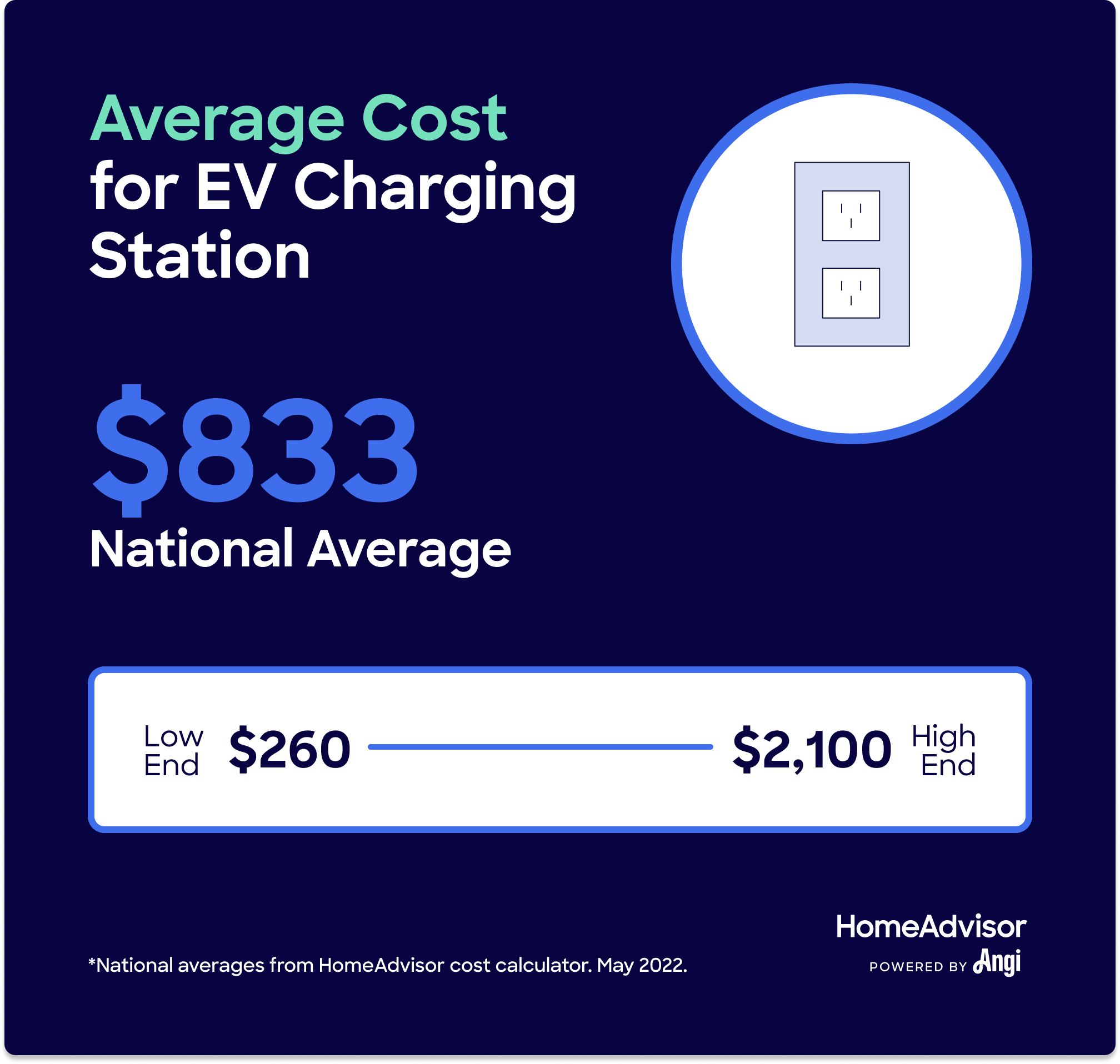
Let's face it, there's a certain thrill to gliding silently down the road in an electric vehicle (EV). It's not just the environmental brownie points; it's the instant torque, the quiet hum, and the smug satisfaction of bypassing the gas station (and its ever-fluctuating prices). But owning an EV also means thinking about charging, and that brings us to the million-dollar question (well, not quite a million, but still…): how much does installing an electric car charging station actually cost?
Think of a home charging station as your personal EV fuel pump. Instead of making constant trips to public chargers (which can be inconvenient and sometimes pricey), you can "fill up" overnight in the comfort of your own garage or driveway. This offers a massive convenience factor, letting you start each day with a full "tank." It's a bit like having a coffee maker versus constantly running to Starbucks – you're in control, saving time, and potentially saving money in the long run.
We see charging stations popping up everywhere these days. From Tesla's Supercharger network strategically placed along highways to public Level 2 chargers in shopping malls and parking garages, the infrastructure is expanding. But for daily convenience, a home charger is king. They are commonly found in garages, carports, and even mounted on exterior walls of houses. You might even see them becoming standard features in new home construction soon!
Must Read
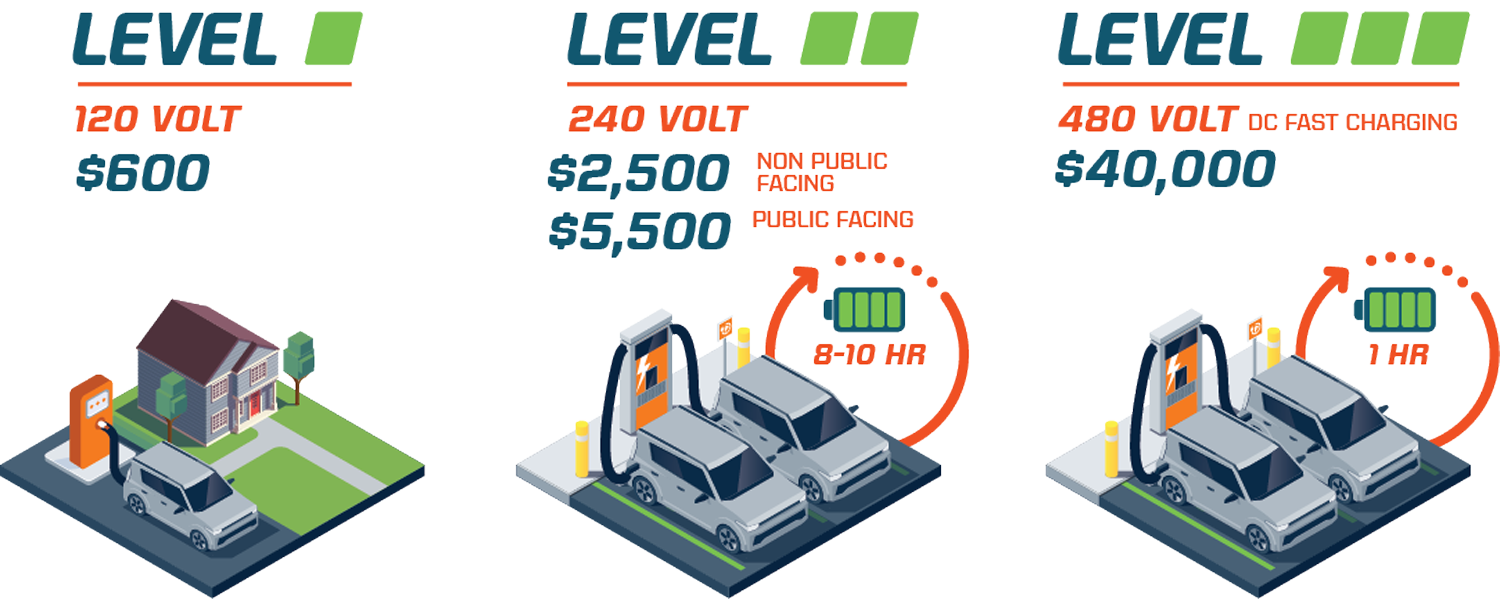
So, what are the factors affecting the installation cost? Several variables come into play, including the type of charger you choose (Level 1 or Level 2), the complexity of the electrical work required, permit fees, and any upgrades needed to your home's electrical panel. A basic Level 1 charger, which plugs into a standard 120V outlet, often requires no additional installation costs beyond the charger itself. However, it's also the slowest option, adding only a few miles of range per hour. Level 2 chargers, using 240V, provide a much faster charge but require professional installation.

Here are some practical tips to enjoy a smoother (and less expensive) charging station installation experience: First, get multiple quotes from licensed electricians. Prices can vary significantly, so shop around. Second, check for local, state, or federal rebates and incentives. Many programs offer financial assistance for EV charger installation, which can significantly reduce your out-of-pocket costs. Third, consider your future needs. Even if you only have one EV now, think about whether you might add another one in the future. Installing a more powerful electrical circuit now could save you money and hassle later. Fourth, make sure your home's electrical panel can handle the additional load of an EV charger. An electrician can assess your panel and recommend any necessary upgrades. Finally, don't skimp on the quality of the charger. A reputable brand with a good warranty will provide peace of mind and ensure reliable charging for years to come. Investing in a smart charger also allows you to schedule charging during off-peak hours when electricity rates are lower, further optimizing your savings.
Ultimately, installing a home charging station is an investment in the convenience and practicality of owning an EV. While there's an upfront cost, the long-term benefits of readily available charging and potential cost savings on fuel make it a worthwhile consideration for any EV owner. Do your research, plan ahead, and enjoy the ride!