
Eight Steps Of The Engineering Design Process

Ever wondered how your smartphone came to be? Or that incredibly comfortable office chair you're probably sitting in right now? (Okay, maybe "comfortable" is pushing it... but someone designed it!) It all boils down to the Engineering Design Process, a fancy-sounding term for something surprisingly logical and... dare I say... fun?
Think of it as a recipe for awesome. Instead of cookies, you're baking up solutions to problems. And just like a good recipe, there are steps to follow. Let's dive in!
Step 1: Identify the Problem (a.k.a. "Houston, We Have a Problem!")
Every great invention starts with a problem. Maybe your pet hamster, Mr. Fluffernutter, keeps escaping his cage. Maybe you’re tired of your shoelaces constantly untying. Or maybe, just maybe, you need a self-folding laundry machine. (Okay, that’s ambitious, but hey, dream big!) The important thing is to clearly define what you're trying to fix. What's the pain point? What's driving you bonkers? This is the "Houston, we have a problem!" moment.
Must Read
Step 2: Define the Requirements (a.k.a. "Making a Wish List")
Now that you know the problem, what does the ideal solution look like? Let's say Mr. Fluffernutter is the problem. Your requirements might be: the solution must be hamster-safe, it must be escape-proof (obviously!), and it must allow for easy cleaning. We're basically making a wish list for our invention. Think of it as writing a ridiculously specific letter to Santa. ("Dear Santa, I need a hamster cage that is Fort Knox level secure, yet aesthetically pleasing and easy to dismantle. Please and thank you!")
Step 3: Brainstorm Ideas (a.k.a. "Idea Vomit!")
This is where the fun really begins! Let your imagination run wild! No idea is too silly or outlandish. Mr. Fluffernutter getting out? Maybe a force field cage powered by hamster-wheel energy? Or a tiny hamster-sized security guard? Write down everything. Quantity over quality at this stage. Think of it as "idea vomit." Just spew out all the possibilities, no matter how crazy they seem. You never know where inspiration will strike.
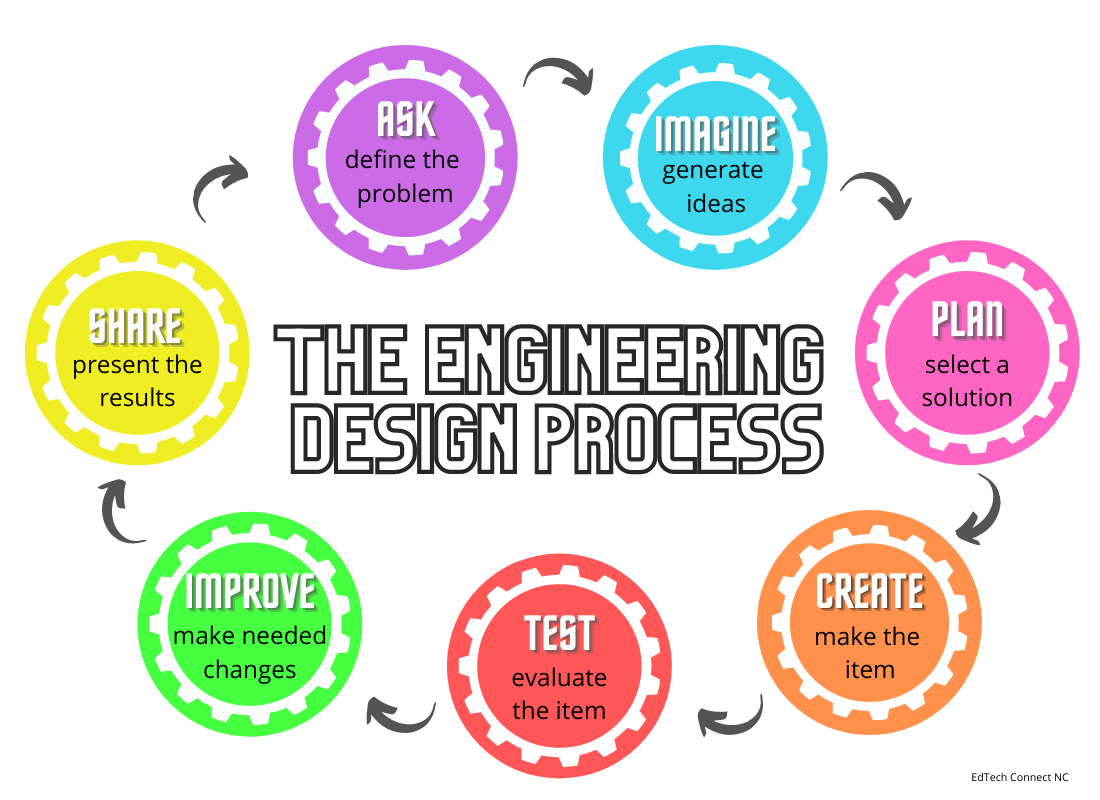
Step 4: Choose the Best Solution (a.k.a. "The Hunger Games of Ideas")
Okay, it's time to get real. Not every idea is a winner. (Sorry, Mr. Fluffernutter's force field cage, you’re a little too sci-fi.) Consider the requirements you defined earlier. Which idea best meets those needs? Is it feasible? Affordable? Practical? This is where the Hunger Games of ideas begins. May the best solution win!
Step 5: Develop a Prototype (a.k.a. "Frankenstein Time!")
Time to build something! This doesn't have to be perfect. It's a rough draft, a test run, a Frankenstein-ian creation. Use cardboard, duct tape, popsicle sticks – whatever you have on hand. For Mr. Fluffernutter, you might build a miniature prototype out of LEGOs or cardboard to test its structural integrity. The point is to get a physical representation of your idea.

Step 6: Test and Evaluate (a.k.a. "Does It Work?!")
Now for the moment of truth! Does your prototype work? Does it solve the problem? Put it to the test! Watch Mr. Fluffernutter closely. Does he still manage to escape? Does the cage feel sturdy? Gather data. Observe. Learn. This is where you see if your beautiful creation actually, you know, works.
Step 7: Improve and Redesign (a.k.a. "Back to the Drawing Board...Maybe")
Chances are, your prototype isn't perfect. (Sorry to burst your bubble.) But that's okay! This is where you identify weaknesses and make improvements. Maybe you need to add extra reinforcement to the cage door. Maybe the water bottle is too high for Mr. Fluffernutter to reach. Go back to the drawing board and tweak your design based on your testing. Iterate, iterate, iterate! Remember, even the greatest inventions went through countless revisions.
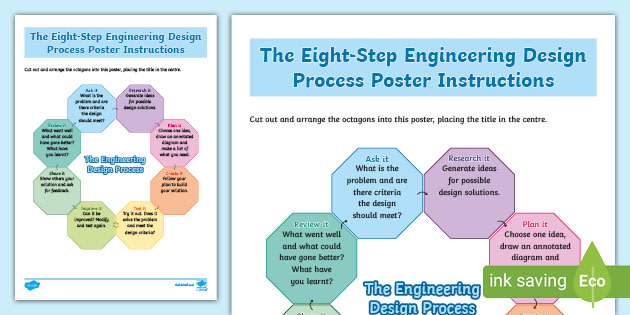
Step 8: Communicate the Solution (a.k.a. "Show Off Your Genius!")
You've done it! You've solved the problem! Now it's time to share your masterpiece with the world (or at least, with Mr. Fluffernutter's adoring fans). Create a presentation, write a report, or simply show off your invention to your friends and family. Explain how it works, why it's awesome, and how it solves the problem. You're a genius, and the world needs to know it!
So there you have it! The Engineering Design Process, demystified. It's not just for rocket scientists and bridge builders. It's a powerful tool that anyone can use to solve problems, big or small. Now go forth and engineer something amazing!
