Effects Of Using Fossil Fuels On The Environment
Okay, let's talk about something that's literally heating up the planet: fossil fuels! Now, I know what you might be thinking: "Fossil fuels? Sounds boring!" But trust me, understanding how these fuels impact our environment is crucial. It's like knowing the secret ingredient in a recipe – you can't understand the dish without it. And let's be honest, we all want to live on a healthy planet, right? So, let's dive into the fascinating (and sometimes alarming) world of fossil fuels and their environmental effects.
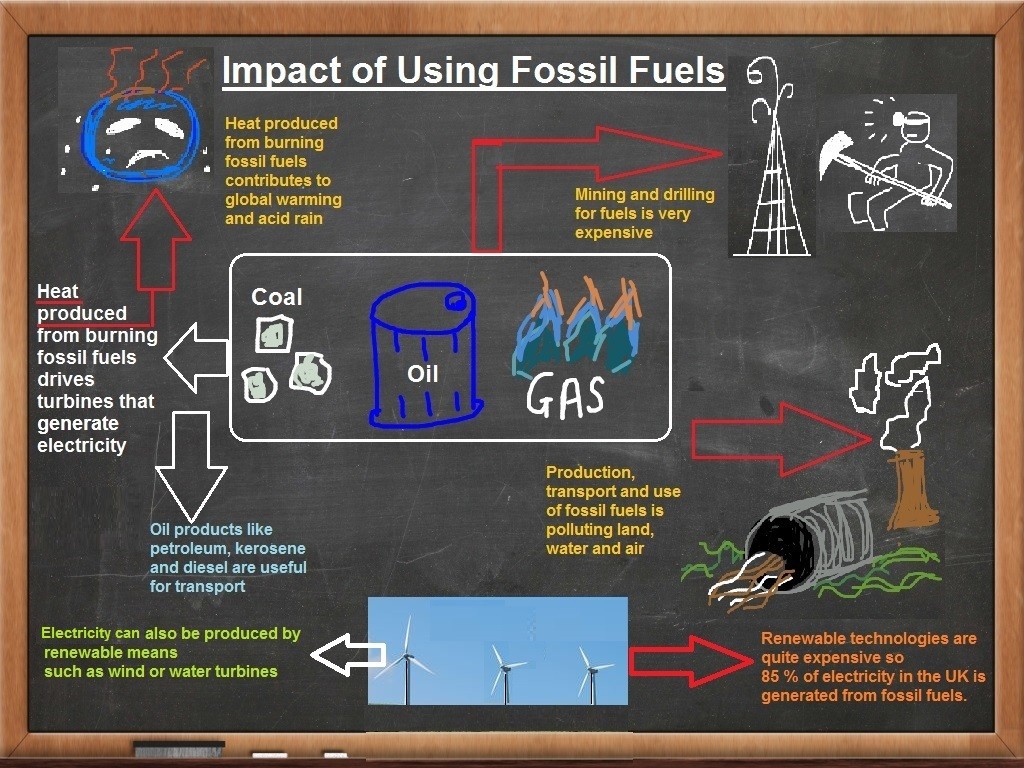
So, what's the big deal with fossil fuels? Well, they're basically the remains of ancient plants and animals that have been transformed over millions of years into substances we can burn for energy – think coal, oil, and natural gas. We use them to power our cars, heat our homes, and generate electricity. Sounds pretty useful, doesn't it? And it is! For a while. The purpose of burning fossil fuels is to release the energy stored within them, allowing us to do all sorts of things. The benefit? Cheap and readily available energy... for now.
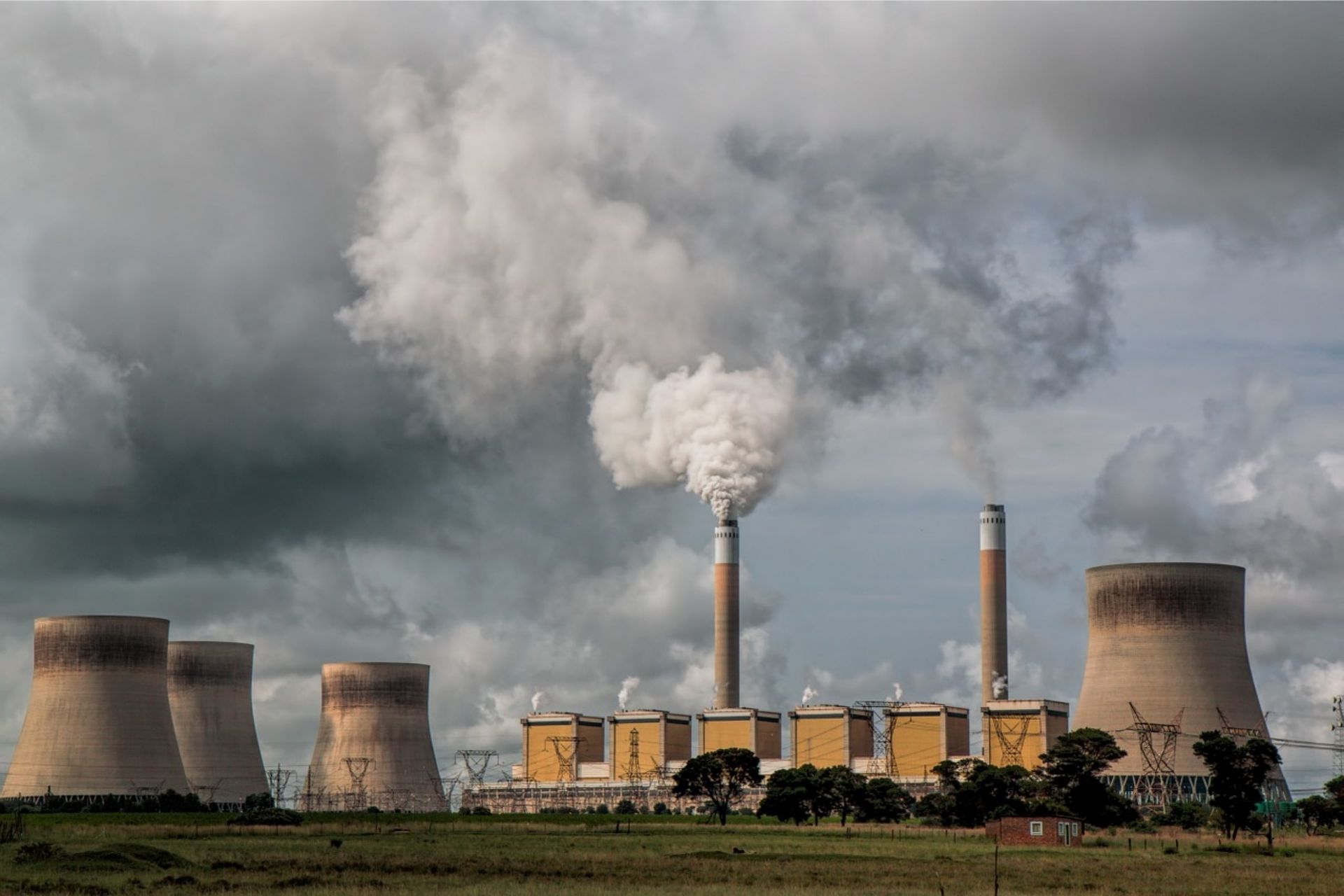
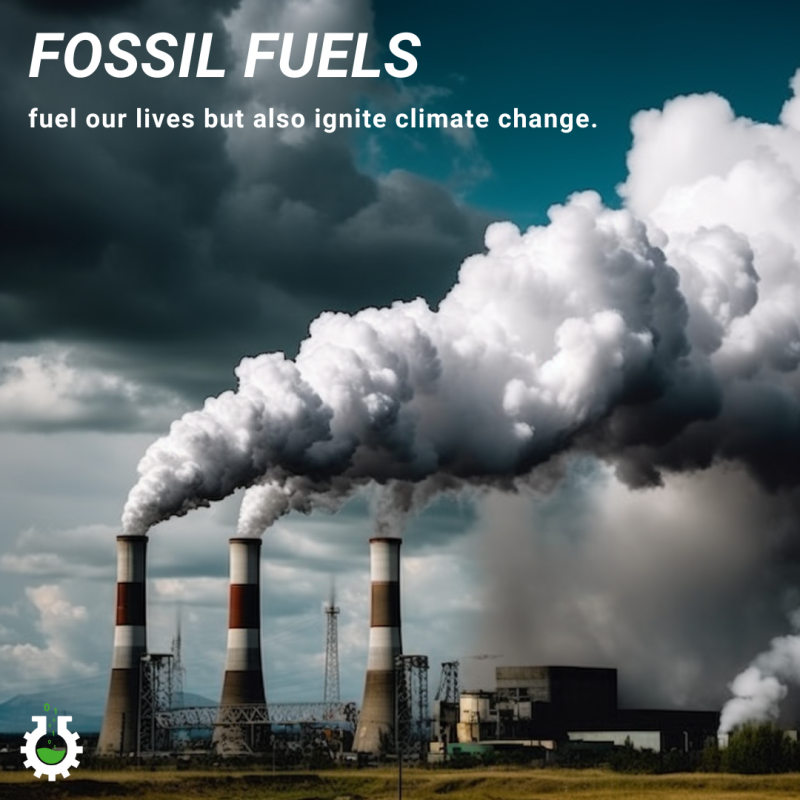
But here's where the fun (and by fun, I mean "slightly terrifying") begins. Burning fossil fuels releases a whole bunch of stuff into the atmosphere, and not the good kind. The most significant culprit is carbon dioxide (CO2), a greenhouse gas. Imagine the Earth wrapped in a giant blanket. Greenhouse gases act like that blanket, trapping heat and warming the planet. This is known as the greenhouse effect. While a little greenhouse effect is necessary to keep the Earth habitable, too much of it leads to global warming and climate change.
Must Read
What does climate change actually mean? Well, it's not just about slightly warmer summers. We're talking about more extreme weather events like hurricanes, floods, and droughts. Rising sea levels threaten coastal communities and ecosystems. Changes in temperature and rainfall patterns disrupt agriculture, leading to food shortages. And let's not forget about the impact on wildlife – many species are struggling to adapt to these rapidly changing conditions.

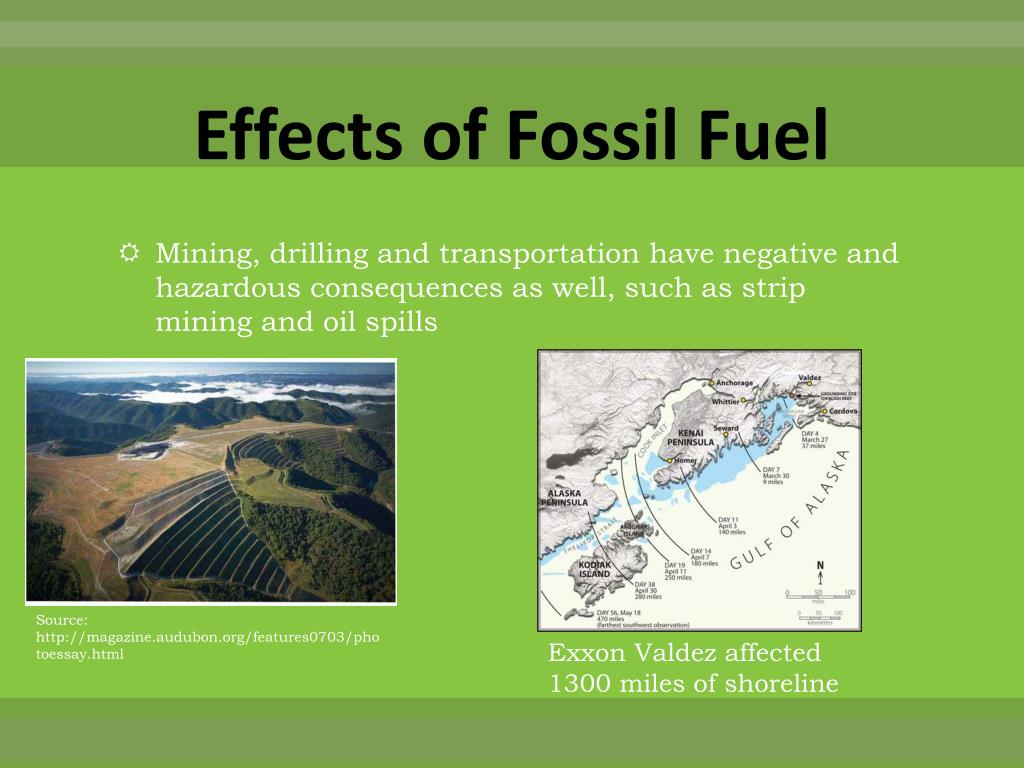
But CO2 isn't the only bad guy. Burning fossil fuels also releases other pollutants like sulfur dioxide and nitrogen oxides, which contribute to acid rain and smog. Acid rain damages forests and lakes, while smog can cause respiratory problems. Plus, the extraction and transportation of fossil fuels can lead to environmental disasters like oil spills, which can devastate marine life and coastal habitats.
So, what's the takeaway? Fossil fuels provide us with energy, but at a significant cost to the environment. Understanding these effects is the first step towards finding solutions. From investing in renewable energy sources like solar and wind power to adopting more sustainable lifestyles, there are many ways we can reduce our reliance on fossil fuels and create a healthier future for ourselves and the planet. It's not just about saving the polar bears (although they're pretty cute, right?). It's about safeguarding our own well-being and the well-being of future generations. It's a big challenge, but one worth tackling!