
Effects Of Radioactive Waste On The Environment

Hey everyone! Ever stopped to think about where things go after we're done with them? We recycle paper, compost food scraps… but what about the stuff that sticks around, really sticks around? I’m talking about radioactive waste. Sounds a bit scary, right? But trust me, there's some seriously cool (and admittedly a little unsettling) science behind it.
So, what exactly is radioactive waste? Basically, it’s byproduct created from processes that involve nuclear materials, like nuclear power plants, medical treatments, and even some industrial applications. Think of it like the ash leftover after burning wood. Only instead of turning into fertilizer, this "ash" emits radiation for, well, potentially a very long time. We're talking potentially thousands or even millions of years. Whoa.
And that's where the environmental impact comes in. What happens when something emits radiation for that long? Let's dive in!
Must Read
The Big Picture: Radiation's Reach
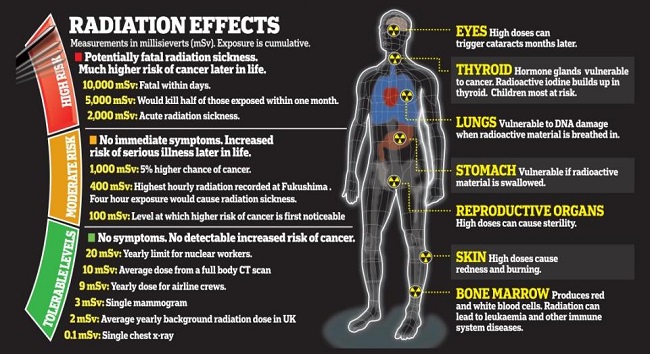
Radiation itself isn't some mythical monster. It’s energy, just like the light from your phone screen or the heat from your oven. But like anything, too much of it can be harmful. Exposure to high levels of radiation can damage cells, leading to health problems like cancer and genetic mutations. Think of it like getting a really, really bad sunburn – but on the inside.
So, if this radioactive waste gets into the environment – into the soil, water, and air – it can potentially affect plants, animals, and, of course, us. How cool (yet concerning) is that?! It's like a slow-motion domino effect across the ecosystem.
Water Worries
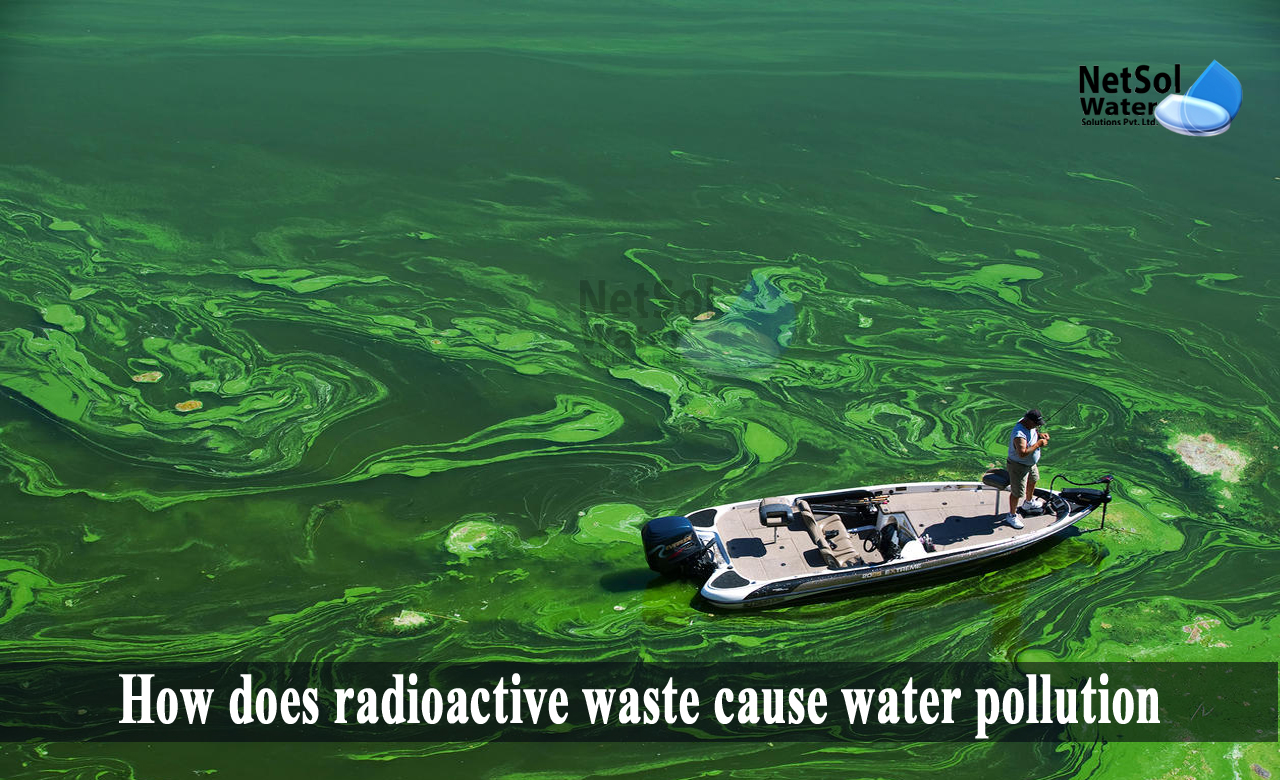
One of the biggest concerns is water contamination. Imagine a tiny leak from a radioactive waste storage facility (a well-designed one, hopefully!). That radioactive material could seep into groundwater, rivers, and eventually even the ocean. What does that mean for the aquatic life?
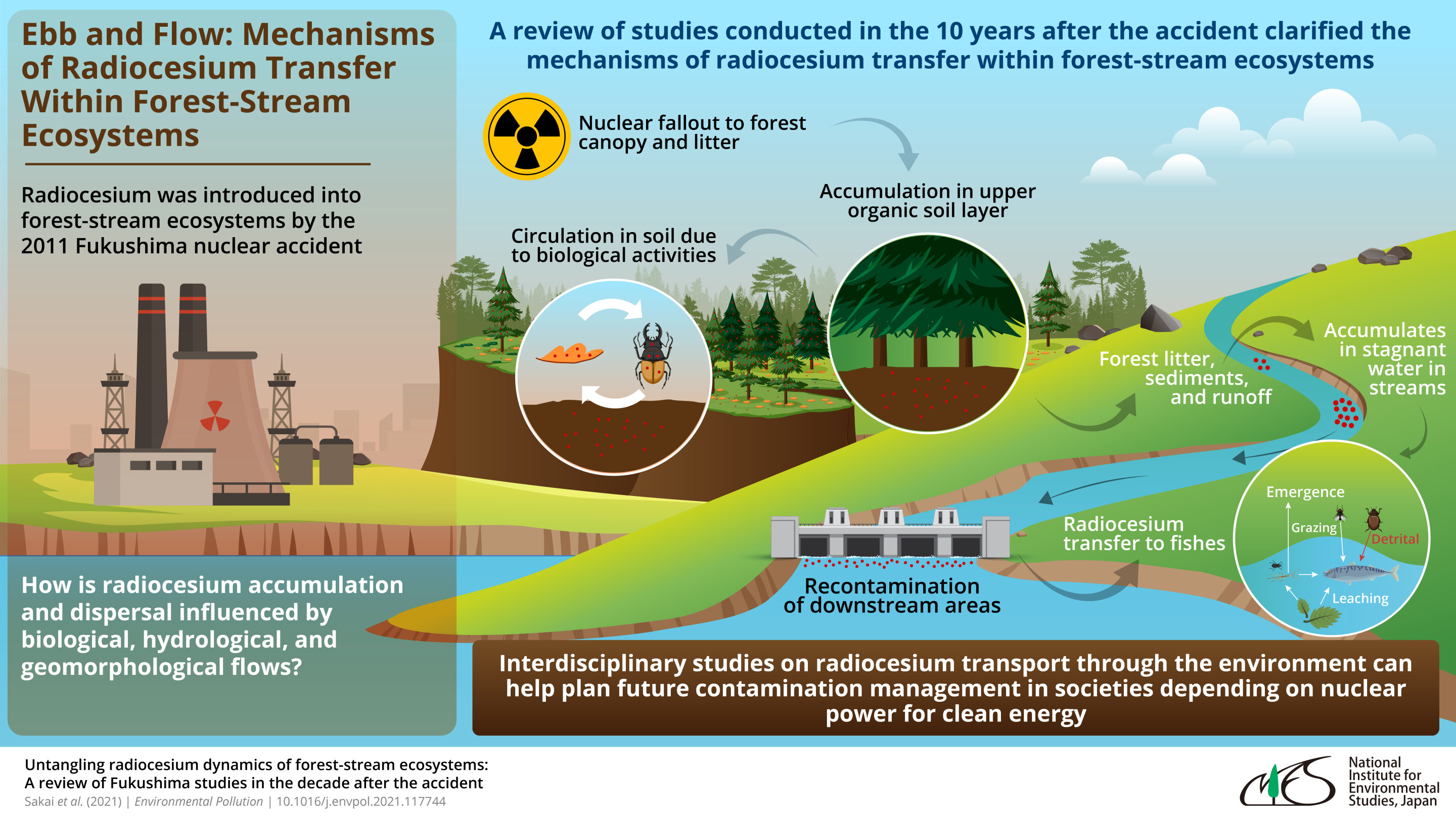
Well, marine organisms can absorb radioactive elements. Small fish eat contaminated plankton, bigger fish eat the smaller fish, and suddenly, those radioactive elements are concentrated up the food chain. It's like a game of radioactive telephone, where the message gets amplified with each level. And guess who's at the top of that food chain in some areas? You guessed it, us! No thanks!.

Soil and Plant Life
What about the land? Radioactive waste can also contaminate soil, impacting plant life. Plants can absorb radioactive elements through their roots. And then… boom! We have radioactive crops. Imagine eating a radioactive apple. It's like something straight out of a sci-fi movie!
Interestingly, different plants absorb different elements at varying rates. Some plants might be super efficient at sucking up a particular radioactive element, while others barely take any in. Scientists study these differences to help with bioremediation – using plants to clean up contaminated soil. Pretty neat, huh? It's like turning a problem into a solution, all thanks to the power of plants!
Long-Term Storage: A Real Head-Scratcher
Okay, so if radioactive waste is so problematic, what do we do with it? That's the million-dollar question (or, more accurately, the multi-billion-dollar question!). Currently, most radioactive waste is stored in specialized facilities, often deep underground, designed to contain the material for thousands of years.
Think of it like trying to build a time capsule that needs to last longer than the pyramids. These facilities need to be incredibly stable, resistant to earthquakes, and protected from water intrusion. Plus, we need to be absolutely certain that future generations will understand what's buried there and why they shouldn't mess with it! It's a seriously complex engineering and social challenge.
One approach being researched is deep geological disposal, where waste is placed in stable rock formations far beneath the surface. The idea is that even if some leakage occurs, the surrounding rock would filter and slow the spread of contamination. It's a bit like Mother Nature herself is helping contain the problem. Isn't that a cool concept?
The Future of Radioactive Waste
While the challenges are real, there's also a lot of ongoing research aimed at reducing the amount of radioactive waste we produce and finding better ways to manage it. Some scientists are exploring new reactor designs that generate less waste, while others are working on ways to "transmute" radioactive elements into less harmful substances. Transmutation is like using a kind of nuclear alchemy to turn lead into gold – except in this case, we're turning nasty radioactive stuff into… less nasty stuff!
So, what's the takeaway? Radioactive waste is a complex issue with significant environmental implications. But it's also a fascinating area of scientific research and innovation. Understanding the risks and exploring solutions is crucial for protecting our planet and ensuring a sustainable future. It's a challenge, sure, but one that is worth tackling. And who knows? Maybe someday we'll find a way to make radioactive waste… not so wasteful after all. What do you think?