
Effective Small Business Waste Management Strategies
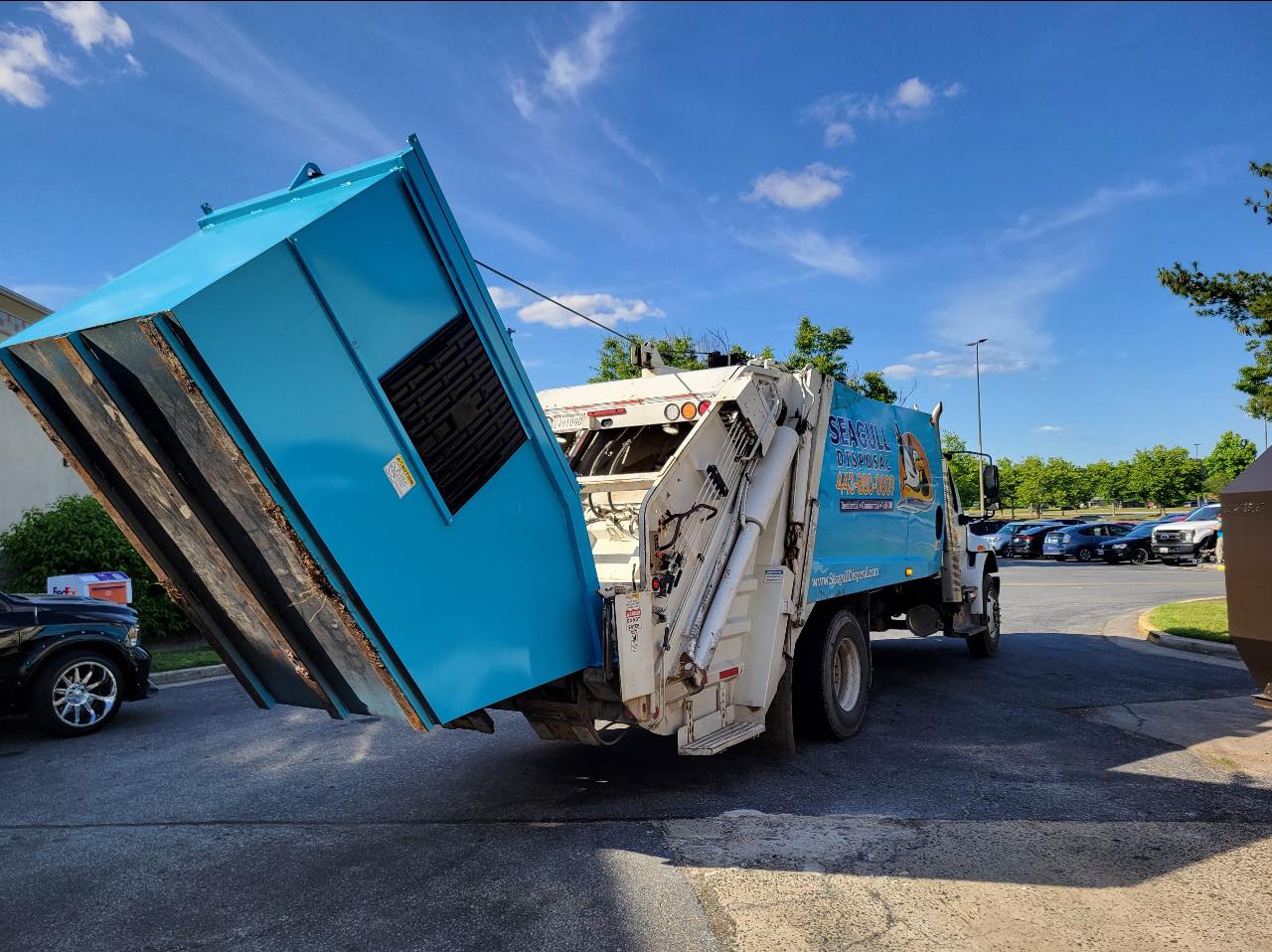
Hey everyone! Ever feel like your small business is drowning in… stuff? Paper, packaging, coffee cups – it all adds up. And let's be honest, dealing with waste management probably isn't your favorite part of running the show. But here's the thing: getting a handle on your waste isn't just good for the planet, it's good for your bottom line too! Think of it as decluttering your business – both physically and financially.
Think about your own kitchen at home. You wouldn't just throw everything in one big bin, right? You probably have a recycling bin, maybe a compost bin. The same principles apply to your business, only on a slightly bigger scale.
Why Bother With Waste Management?
Okay, I get it. You're busy. You're building an empire! But stick with me. Effective waste management is more than just being "green."
Must Read
Firstly, it saves you money! Seriously. Reduced waste means fewer garbage pickups, potentially lower supply costs (more on that later!), and even tax breaks in some areas. It’s like finding a twenty in your old coat pocket – but finding that twenty every month.
Secondly, it’s great for your brand. Customers are increasingly eco-conscious. Showing that you care about the environment attracts and retains customers who share your values. Think about it: would you rather support a coffee shop that clearly recycles and uses sustainable practices, or one that seems indifferent? The answer is pretty obvious, right?
Finally, it's just the right thing to do. We all share this planet, and responsible waste management contributes to a healthier environment for everyone. It's about leaving a positive legacy.
Easy-Peasy Waste Management Strategies
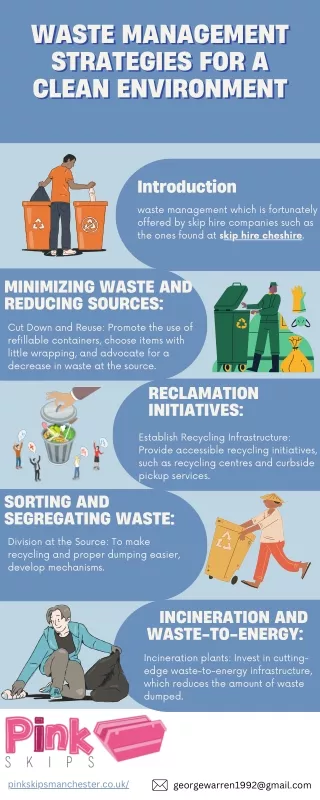
Alright, let’s get down to the nitty-gritty. Here are some simple, practical strategies you can implement today:
1. The Big R's: Reduce, Reuse, Recycle. You've heard it a million times, but it's still the golden rule.
Reduce: This is all about preventing waste from being created in the first place. Can you switch to digital invoices instead of paper? Can you buy supplies in bulk to reduce packaging? Can you offer reusable shopping bags or coffee mugs with a discount?

Reuse: Get creative! Can you reuse packing materials for shipping your own products? Can you use old cardboard boxes for internal storage? Think of those old jam jars you repurpose at home – same principle!
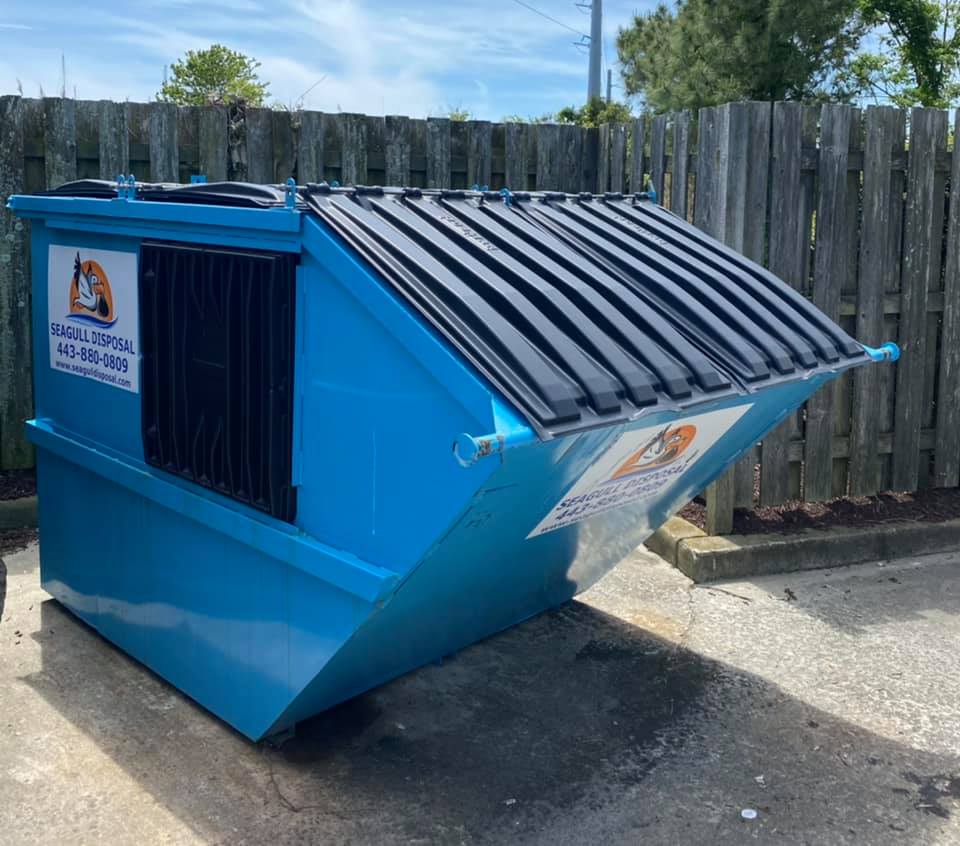
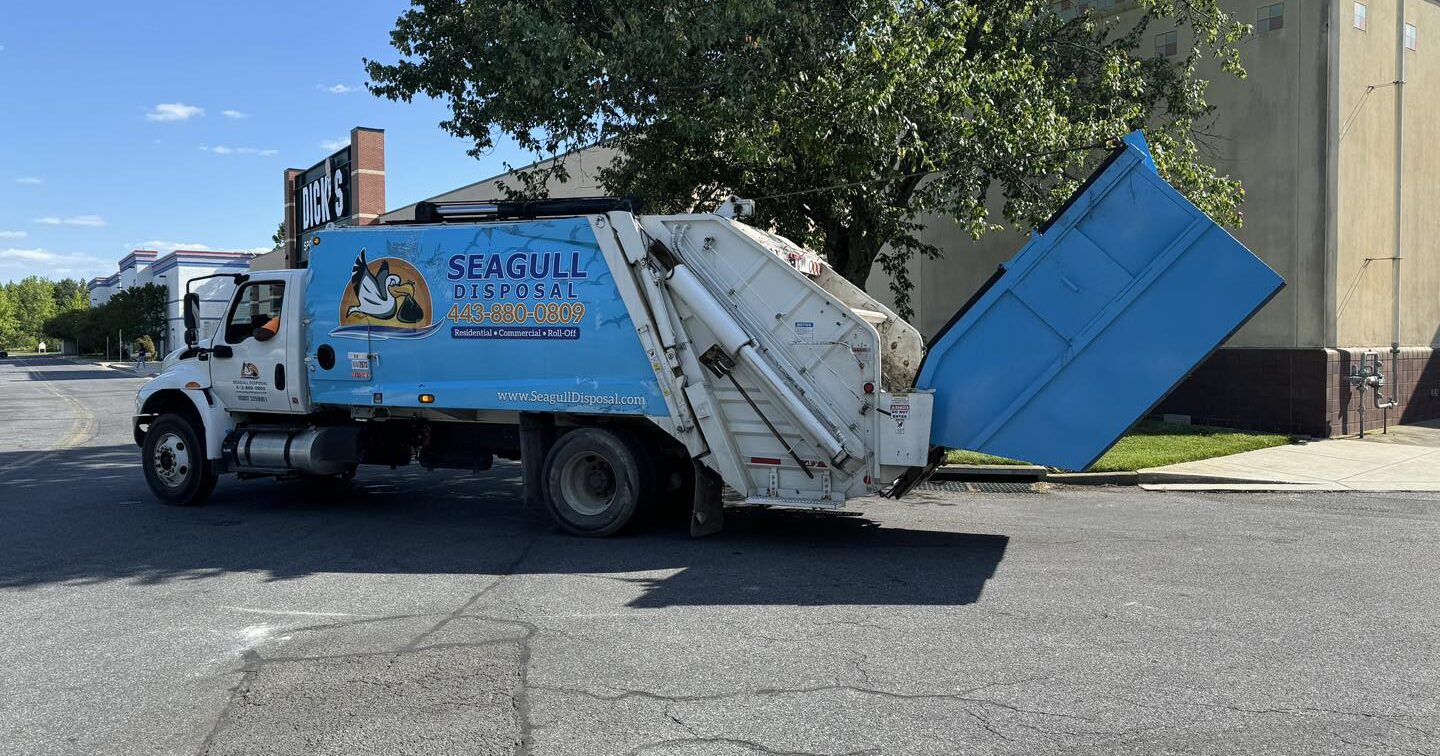
Recycle: This one's a no-brainer. Set up clearly labeled recycling bins for paper, plastic, and glass. Make sure your employees know what goes where. Call your local waste management company to understand recycling options in your area. You might be surprised what you can recycle!
2. Conduct a Waste Audit. What are you actually throwing away? Take a look in your trash cans (gloves on, of course!). Identify the biggest sources of waste and brainstorm ways to reduce them. It's like playing detective with your trash – surprisingly insightful!
3. Go Paperless (or at least Paper-Less). Embrace the digital age! Use cloud storage, digital signatures, and online communication tools. If you must print, print double-sided and use recycled paper. Think of all the trees you'll be saving!
4. Compost Food Waste. If you have a kitchen or break room, consider composting food scraps. Even a small countertop compost bin can make a difference. If you don’t have the space, check if your city offers a food waste composting program. It's like gardening, but with garbage! (Okay, maybe not exactly like gardening.)
5. Train Your Employees. Make waste management part of your company culture. Educate your employees about your sustainability goals and how they can contribute. Host a "Waste Reduction Workshop" (with snacks, of course!).
6. Choose Sustainable Suppliers. Support businesses that share your commitment to sustainability. Look for suppliers that use eco-friendly packaging, offer carbon-neutral shipping, or have their own robust waste management programs. It's like voting with your wallet – you're supporting the companies you believe in.
Small Changes, Big Impact
Implementing these strategies doesn't have to be overwhelming. Start small, focus on one or two areas at a time, and celebrate your progress. Remember, even small changes can have a big impact over time.
So, take a look around your business. What can you do today to reduce waste and make a positive difference? You might be surprised at how easy – and rewarding – it can be. Plus, you’ll be well on your way to running a leaner, greener, and more profitable small business. Now go forth and conquer that waste!