
Effect Of Using Natural Gas On The Environment
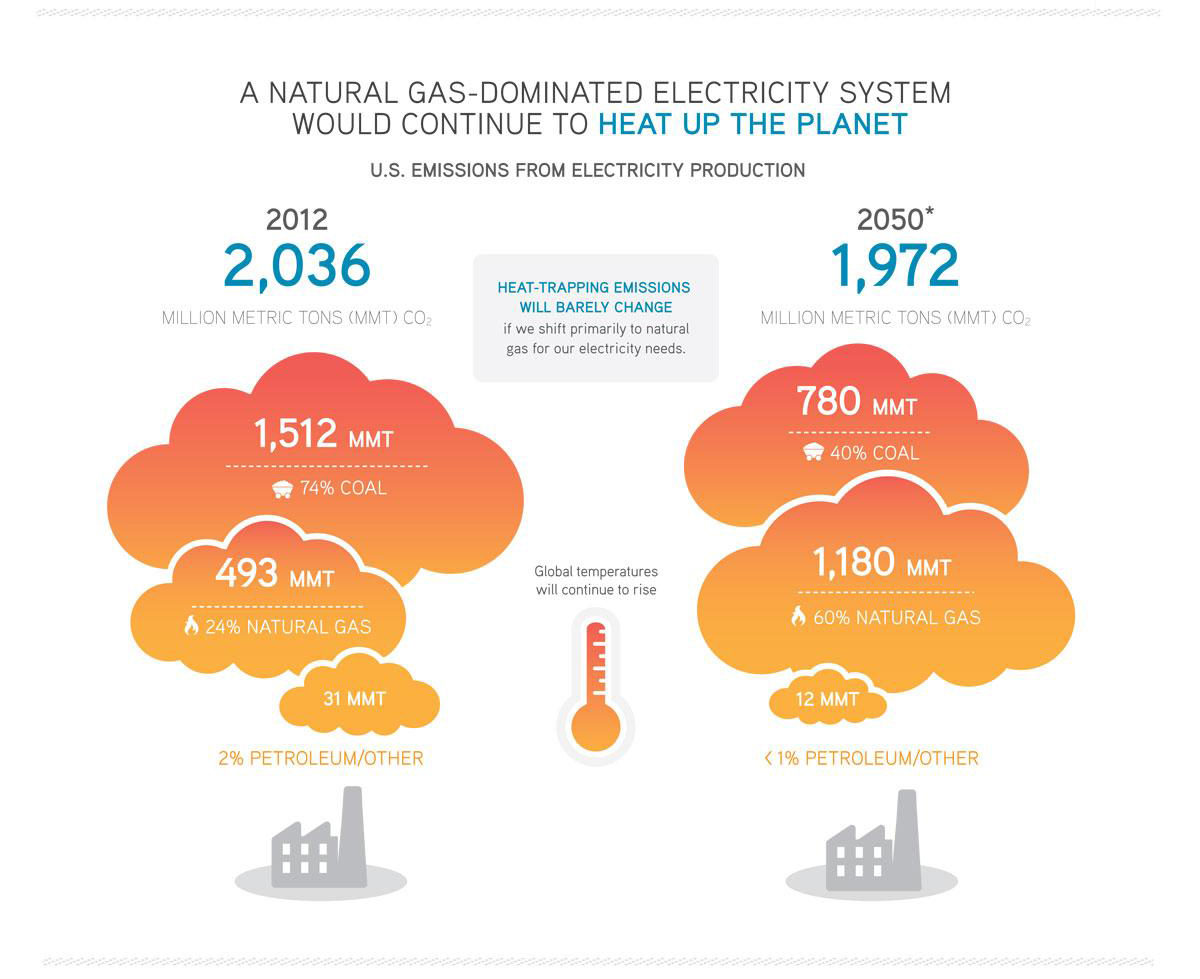
Okay, let's talk natural gas. You know, that stuff that heats your home and cooks your dinner? It gets a bad rap. Everyone's always yelling about its effect on the environment. But is it really that bad?
The Villain We Love to Hate?
Think of natural gas as that friend. You know, the one who sometimes says awkward things at parties? Yeah, they're not perfect. But are they evil? Probably not. Natural gas is similar. It's a fossil fuel, sure. And fossil fuels are often painted as the ultimate environmental baddies. But compared to its older, dirtier cousins – coal and oil – natural gas is practically an angel.
Hear me out! When burned, it releases fewer nasty pollutants. Less soot, less smog, less of that stuff that makes you cough when you're stuck behind a truck. We're talking less sulfur dioxide, less nitrogen oxides, and fewer particulates floating around in the air. That has to count for something, right?
Must Read
It's kind of like choosing between a double cheeseburger and a salad. Okay, maybe not a perfect analogy. But if the choice is between coal-fired power plants belching out black smoke and natural gas plants producing electricity, I'm picking the gas plant every time. At least my lungs (and my conscience) will thank me slightly more.
The Greenhouse Gas Issue (Yes, We Know)
Now, before you light your torches and storm my inbox, I know. I know about methane. It's the main component of natural gas, and it's a potent greenhouse gas. If it leaks into the atmosphere, it can trap heat like a fluffy, invisible blanket. And nobody wants a hotter planet.
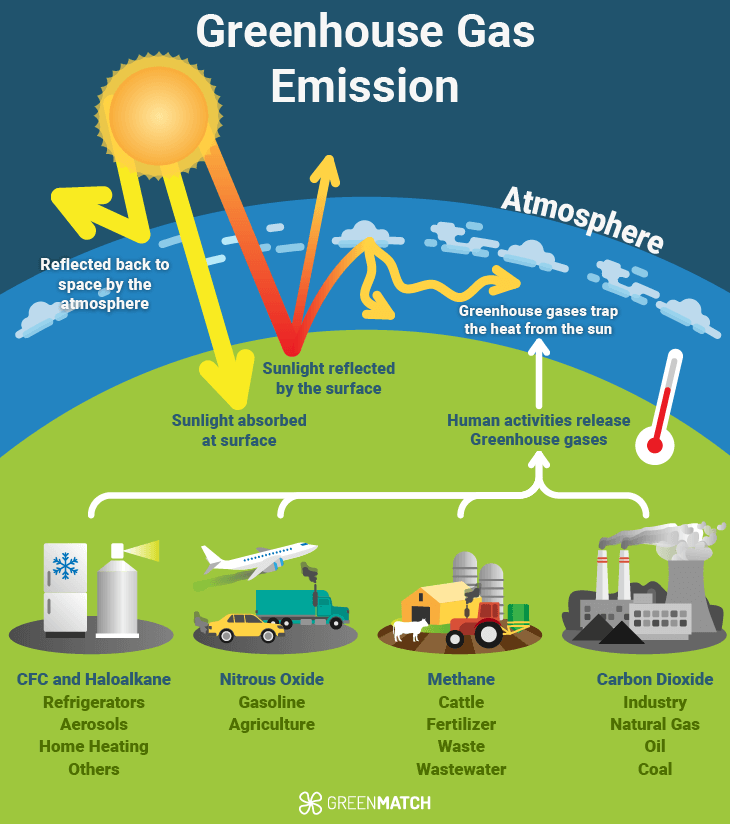
But here's the thing: the amount of leakage is key. The industry is (supposedly!) working on minimizing those leaks. Better pipes, better seals, better practices. If they can keep that methane tucked away where it belongs – underground or burning cleanly to power our homes – then natural gas becomes a much more palatable option. Plus, technological advancements are always being made!
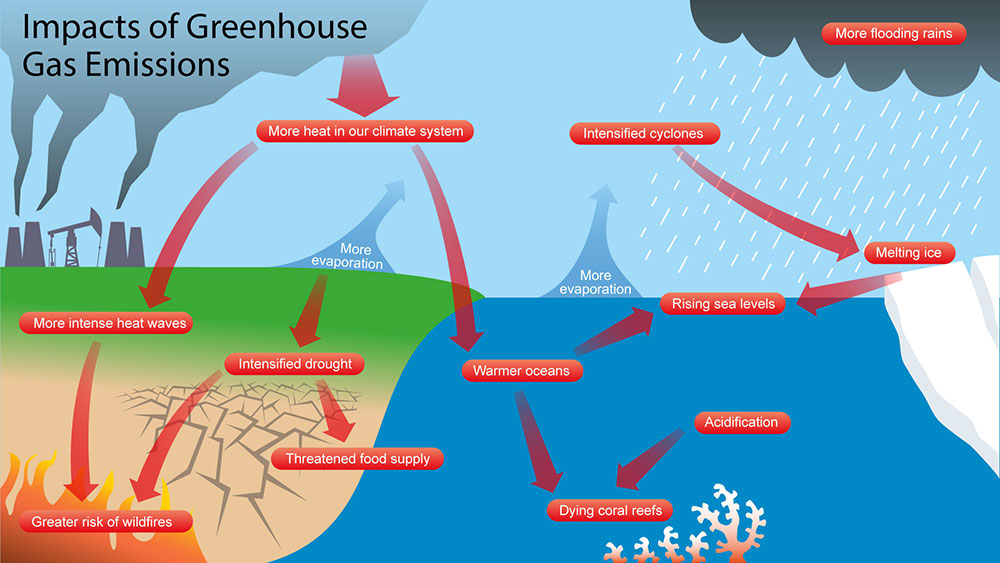
Think of it like this: if you're careful not to spill your coffee, you avoid making a mess. Same principle applies here. Contain the methane, reduce the mess (i.e., global warming), and you're at least moving in the right direction. I'm not saying it's perfect, but it's a step.
A Bridge, Not a Destination
Many experts see natural gas as a "bridge fuel." What's that, you ask? Well, it's a temporary solution. A way to transition from those really, really dirty fossil fuels to cleaner, renewable energy sources like solar and wind.
We can't just flip a switch and instantly power the world with sunshine and breezes. It takes time, infrastructure, and a whole lot of money. Natural gas can fill the gap while we're building out those renewable energy sources. It can provide reliable power when the sun isn't shining and the wind isn't blowing. Plus, it beats burning all of those forests down for energy too, right?
Remember, progress is about taking steps, not giant leaps. It's about moving in the right direction, even if it's not as fast as we'd like.
And sometimes, the best we can do is choose the lesser of two evils.

My Unpopular (Maybe?) Opinion
So, here's my unpopular opinion: natural gas isn't the devil. It's a flawed tool, yes. But it can be a useful tool in the fight against climate change. Especially if we use it responsibly, minimize methane leaks, and invest in developing even cleaner energy alternatives.
Let's stop demonizing it completely and start focusing on using it wisely. Let's demand better practices from the industry. Let's push for faster development of renewable energy. And let's acknowledge that sometimes, the best solutions are the ones that are realistically achievable, not just the ones that sound the prettiest on paper. And, honestly, I don't want to freeze in the winter.
Now, if you'll excuse me, I'm going to go heat up some soup on my (gasp!) gas stove.
