Effect Of Plastic Water Bottles On The Environment
Let's be honest, grabbing a cold, refreshing bottle of water on a hot day is one of life’s little pleasures. Whether you're hitting the gym, embarking on a road trip, or simply need a quick hydration fix, that conveniently shaped plastic bottle often feels like a lifesaver. We rely on them for everything from quenching our thirst after a workout to keeping us going during a long day at the office.
The appeal is clear. Plastic water bottles are lightweight, portable, and readily available practically everywhere. They offer a perceived sense of safety and hygiene, ensuring we have access to clean drinking water whenever and wherever we need it. Think about it: sporting events, concerts, airports – plastic water bottles are the go-to solution for staying hydrated on the go. They're also a convenient backup at home, especially during emergencies or situations where tap water quality might be questionable. Many appreciate the added convenience of bottled water with added electrolytes or flavors.
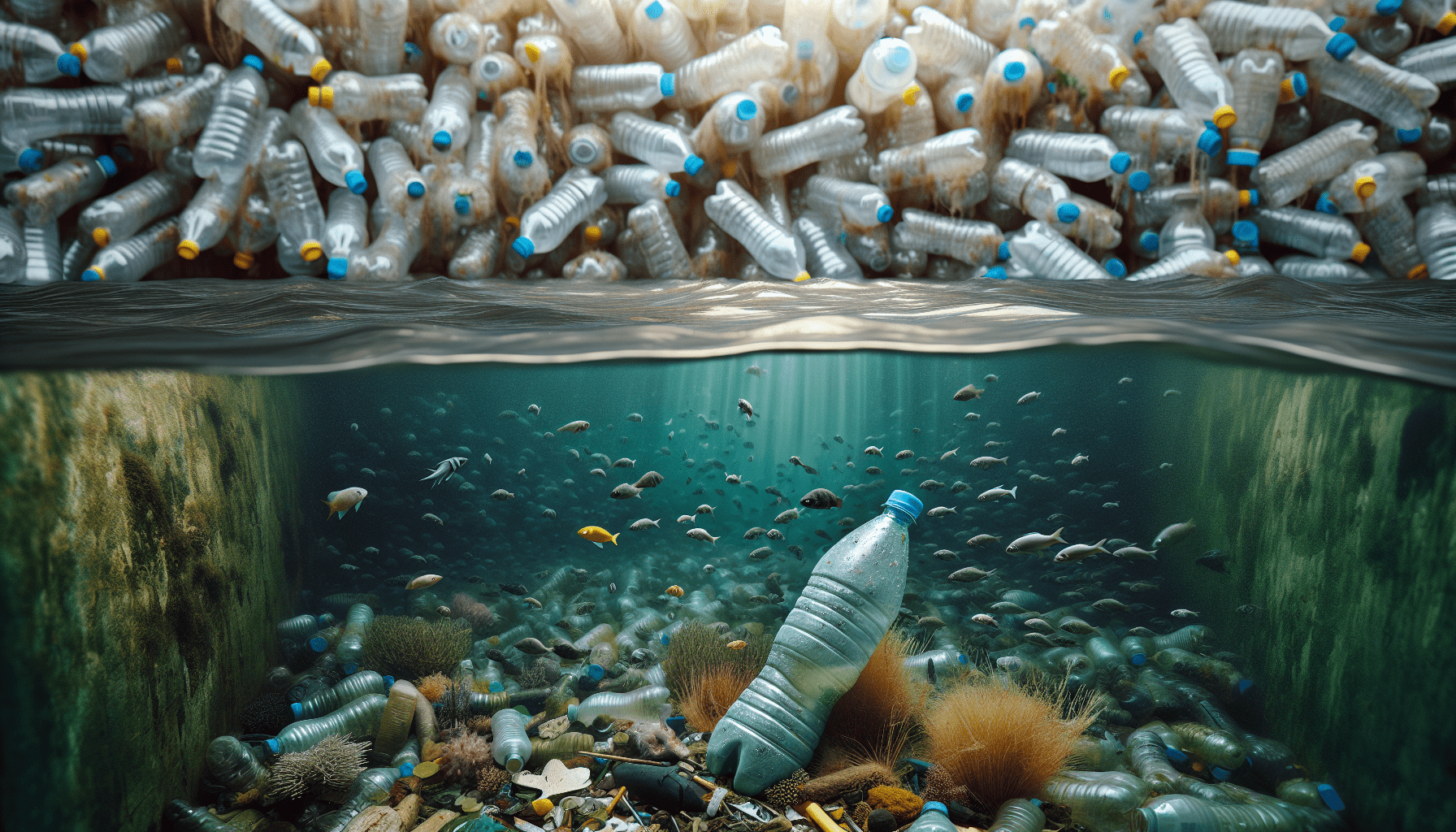
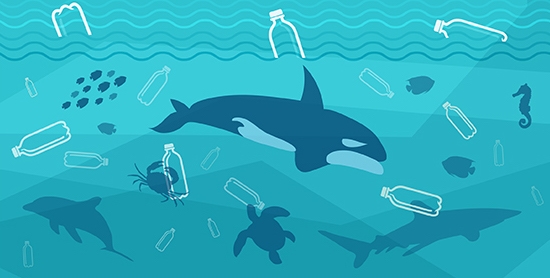
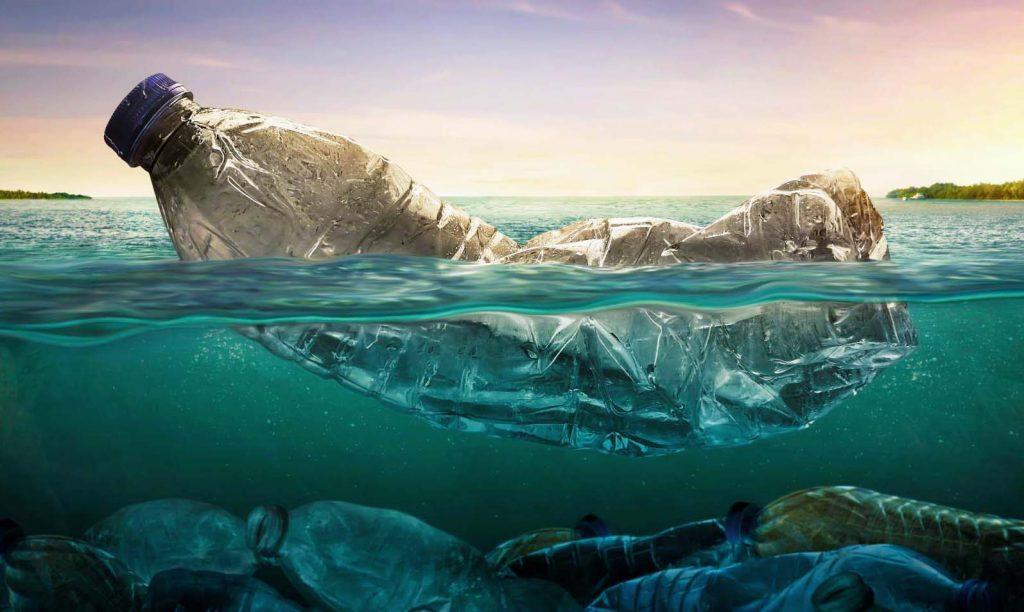
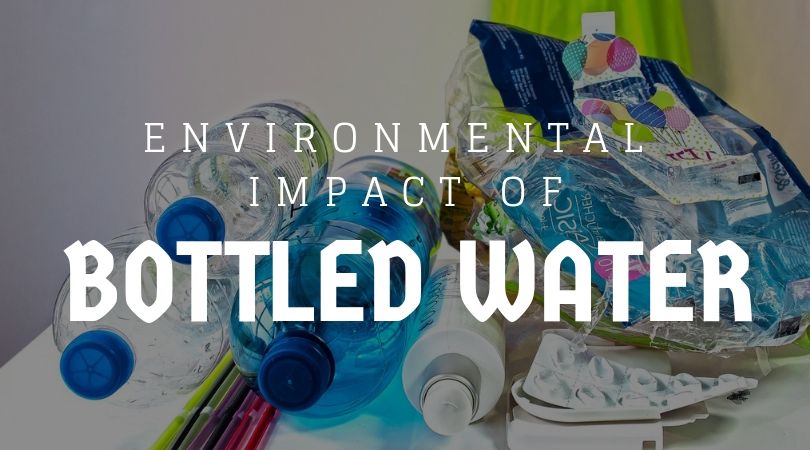
But here’s where the feel-good story takes a turn. The widespread use of plastic water bottles comes at a significant cost to our environment. While they provide undeniable convenience, the sheer volume of bottles we consume annually creates a massive waste problem. A huge percentage of these bottles end up in landfills, where they can take hundreds of years to decompose. Even worse, many end up in our oceans, contributing to plastic pollution that harms marine life and ecosystems. These bottles break down into microplastics, which then contaminate our food chain – a pretty scary thought!
Must Read
The production process itself is also energy-intensive, requiring significant amounts of fossil fuels to manufacture the plastic. Transporting these bottles from manufacturing plants to stores and then to our homes adds to the carbon footprint. So, what can we do to reconcile our need for hydration with our responsibility to the planet?
The good news is, there are plenty of ways to enjoy the benefits of hydration without contributing to the plastic bottle problem. Here are a few practical tips to make a positive impact:
- Invest in a reusable water bottle: This is the single most effective step you can take. Choose a bottle made from stainless steel, glass, or durable BPA-free plastic. There are countless stylish and functional options available.
- Filter your tap water: Many people cite concerns about tap water quality as a reason for buying bottled water. Investing in a water filter pitcher or faucet filter can provide clean, great-tasting water at a fraction of the cost and environmental impact.
- Refill, refill, refill: Make it a habit to refill your reusable bottle throughout the day. Many public places, like airports and gyms, now have water bottle filling stations. Take advantage of them!
- Choose boxed water or aluminum bottles: If you occasionally need a single-use option, consider water packaged in cardboard boxes or aluminum bottles. These materials are generally more easily recycled than plastic.
- Support businesses that prioritize sustainability: Look for companies that use recycled materials in their packaging or offer refill programs.
Making small changes to our habits can have a big impact on reducing plastic waste. By embracing reusable alternatives and being mindful of our consumption, we can continue to enjoy the benefits of convenient hydration while protecting our planet for future generations. Let's raise a glass (or a reusable bottle!) to a healthier planet!