
During The Introduction Stage Total Industry Profit Is
Ever wondered about the behind-the-scenes drama of a brand-new thing hitting the market? Imagine it like this: it's the opening night of a play, and everyone's holding their breath.
Let's talk about the introduction stage of a product or service – the very beginning. It's when a bright idea finally sees the light of day, hoping to become the next big thing.
The Profit Paradox: A Stage of Lows
Now, here's a plot twist: during this introductory period, the total industry profit is often... wait for it... negative or very low. Yes, you read that right.
Must Read
It might seem counterintuitive. After all, isn't business all about making money? Well, hold onto your hats, because this stage is more about laying the groundwork for future profits than raking them in right away.
Think of it like planting a tree. You don't expect to harvest apples the day after you stick the sapling in the ground, do you?
Why So Low? The Costly Affair of Introductions
Several factors contribute to this profit paradox. The biggest culprit? Massive upfront investments.
Introducing something new usually involves hefty research and development costs. Think of the scientists in lab coats, tirelessly working on prototypes, or the engineers burning the midnight oil to perfect a design.
Then there's marketing and advertising. You need to shout from the rooftops (or, more likely, buy ad space online) to let people know your product exists. This isn't cheap.

Setting up distribution channels also adds to the financial burden. Getting your product from the factory to the consumer's hands requires logistics, warehousing, and transportation – all of which cost money.
And let's not forget the potential for early mistakes. It's common for companies to tweak their product or service based on initial customer feedback, leading to further expenses.
The Brave Pioneers: Who Dares, Wins (Eventually)
So, who are these brave souls who willingly venture into this financial minefield? They're the innovators, the risk-takers, the ones who believe in their ideas even when the numbers don't look so rosy.
These companies often have deep pockets or strong investor backing. They're playing the long game, betting that their innovation will eventually pay off in the long run.
Think of companies like Tesla during their early days. They were investing heavily in electric vehicle technology, facing skepticism and high costs. But they persevered, and now they're a dominant force in the automotive industry.
Building Awareness: The Key to Future Riches
The main goal during the introduction stage isn't necessarily to make a profit, it's to build awareness. It's about getting people talking about your product, generating buzz, and creating a demand.

Think of it like throwing a party. You might spend a lot of money on decorations, food, and drinks, but the real payoff is the enjoyment and memories created by your guests.
This early awareness sets the stage for future growth. If people like what they see (or hear), they're more likely to try your product when it becomes more readily available and affordable.
The Importance of Patience: A Lesson for Investors
The introduction stage is a crucial reminder that business isn't always about instant gratification. It teaches us the importance of patience, strategic planning, and long-term vision.
For investors, it's a signal to be cautious. While the potential rewards can be huge, the risks are also significant. It's important to do your research and understand the company's long-term strategy before investing.
Remember the adage: "Rome wasn't built in a day." Neither are successful businesses.

Pricing Strategies: Finding the Sweet Spot
Pricing is a critical factor during the introduction stage. Companies often experiment with different pricing strategies to find the sweet spot that attracts customers without sacrificing profitability (too much!).
Some companies opt for a "skimming" strategy, setting a high initial price to target early adopters who are willing to pay a premium for the latest and greatest. Then, as competition increases, they gradually lower the price.
Others choose a "penetration" strategy, setting a low initial price to quickly gain market share. This can be effective in attracting price-sensitive customers, but it can also eat into profit margins.
The Role of Innovation: Creating Something Truly New
Ultimately, the success of a product in the introduction stage hinges on its level of innovation. If it's just another "me-too" product, it's unlikely to gain much traction.
But if it offers a truly unique solution to a problem, or if it introduces a completely new category of product, it has a much better chance of capturing the public's imagination.
Think of the iPhone. It wasn't just another smartphone; it revolutionized the way people used mobile devices and created an entirely new ecosystem of apps and services.
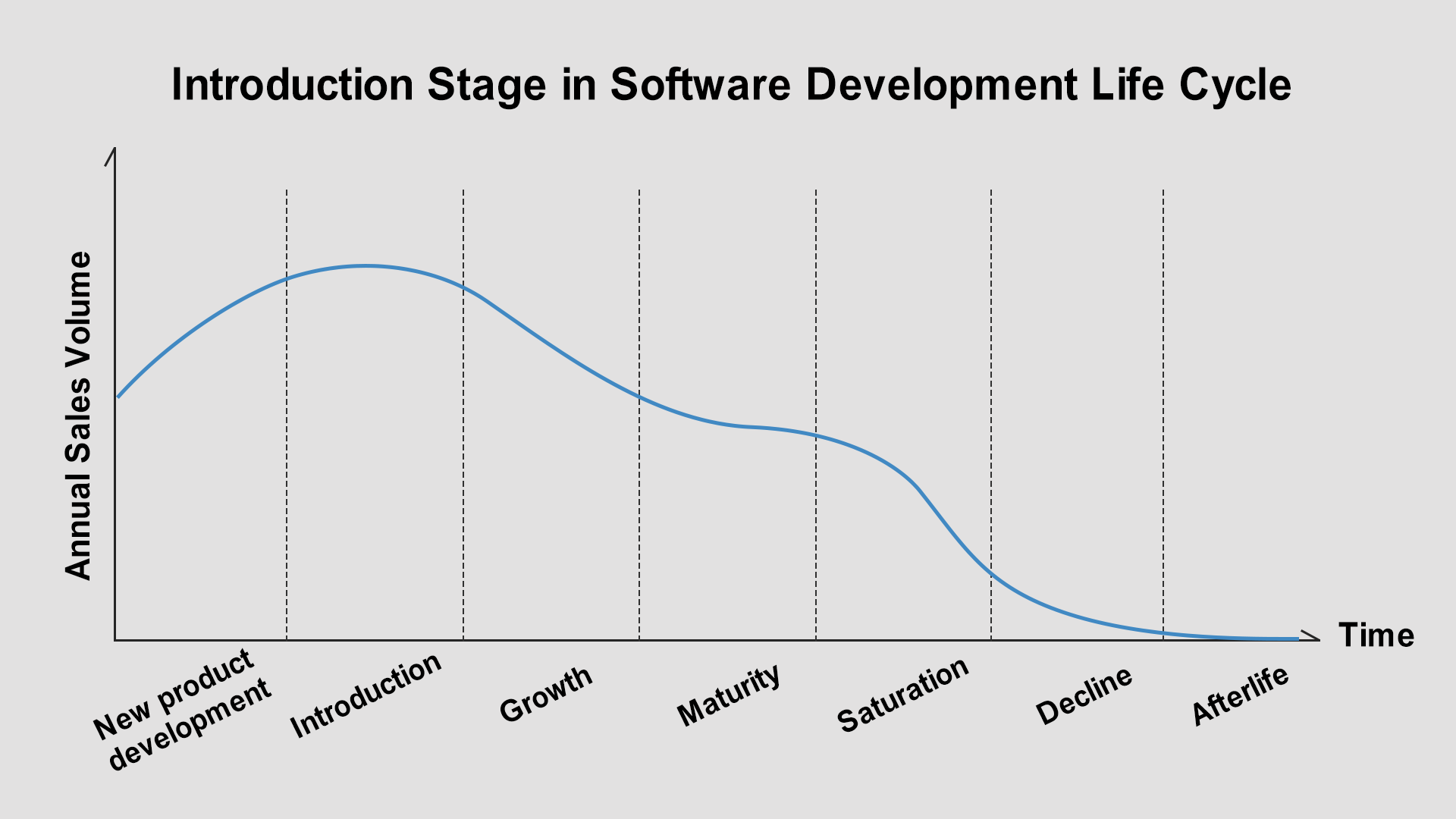
Learning from Failure: The Path to Success
Not every product survives the introduction stage. Many fail, often due to poor planning, lack of market research, or simply bad luck.
But even failures can provide valuable lessons. Companies can learn from their mistakes and use that knowledge to improve their future products and strategies.
As the saying goes, "Failure is the stepping stone to success." The introduction stage is often where those stepping stones are laid.
A Final Thought: The Excitement of the New
Despite the financial challenges, the introduction stage is an exciting time. It's a period of innovation, creativity, and experimentation.
It's when companies are pushing the boundaries of what's possible and trying to create something truly special. And that's something worth celebrating, even if the profits aren't rolling in just yet.
So, the next time you see a new product on the market, remember the story behind it. Remember the investment, the risk, and the hope that went into bringing it to life. And remember that even if the industry profit is low or negative in the beginning, the potential for future success is always there.