
Dual Shield Flux Core Welding
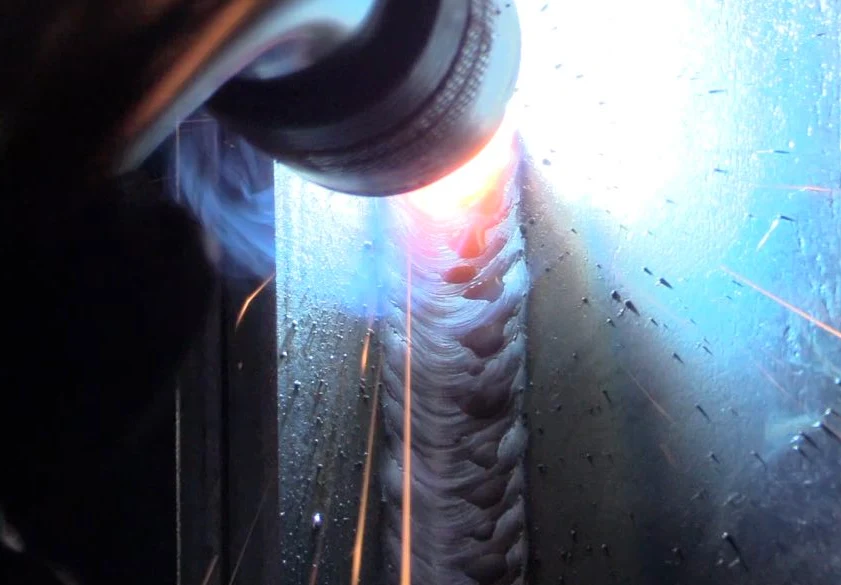
Let's talk welding. Now, some folks get really serious about it. They talk about the artistry. The perfect puddle. The quiet hum of a TIG machine. And that's all very nice. Very pretty, even. But sometimes, you just need to get things done. You need grit. You need speed. You need a workhorse, not a show pony.
And that, my friends, is where I present my slightly "unpopular" opinion. An opinion I think you'll soon agree with. Let's hear it for the unsung hero. Let's cheer for Dual Shield Flux Core welding.
Yes, you heard that right. Some purists might scoff. They might wrinkle their noses at the mention of flux core. "Too much slag!" they'll grumble. "Not as clean as MIG!" they'll whine. But I'm here to tell you, those folks are missing the point. Big time.
Must Read
Meet the Mighty Underdog
What exactly is Dual Shield Flux Core welding? Imagine combining the best bits of two different worlds. You know MIG welding, right? That's the speedy, semi-automatic one. It uses a continuous wire and a shielding gas. Makes lovely, clean welds. Then there's stick welding. The rugged older brother. It uses a rod coated in flux. It's great outdoors, but a bit slower and messier.
Dual Shield Flux Core is like the super-powered offspring of these two. It uses a continuous wire, just like MIG. But this wire isn't solid. Oh no. It's packed with a special powder, a flux. And here's the "dual shield" part: it also uses an external shielding gas. So you get protection from the flux inside the wire, and protection from the gas outside. It's like double-bagging your groceries, but for sparks and molten metal. Extra safe. Extra tough.
Why It's Actually Awesome (My "Unpopular" Opinion)
Now, why do I sing the praises of this seemingly industrial process? Let me count the ways. And prepare to agree, even if you’ve never touched a welding torch.
1. Speed Demon Status
This process is fast. Like, really fast. You can lay down a serious amount of metal in a hurry. For big fabrication jobs, for construction, for anything where time is money, Dual Shield Flux Core (often called FCAW-G by the cool kids) is your go-to. While other welders are meticulously building their perfect little beads, you're already three sections ahead. It’s like hitting the turbo button on your welder.
2. The Outdoor Champion
Wind? What wind? The flux inside the wire creates its own protective cloud. This means you can weld outdoors, even on a breezy day, without your shielding gas blowing away. Try doing that with regular MIG, and you'll end up with Swiss cheese welds. Dual Shield Flux Core laughs in the face of Mother Nature. Building bridges? Fixing heavy machinery on a windy hilltop? This is your absolute best friend. It’s the reliable pickup truck of the welding world.

3. Seriously Strong Welds
Because of the flux and the high heat input, Dual Shield Flux Core offers excellent penetration. This means the weld digs deep into the base metal. You get strong, robust joints. We're talking structural integrity here. These aren't just pretty beads; these are welds that hold things together for a very long time. It’s not about looking good; it’s about being good.
4. Forgiving to a Fault
Working with less-than-perfect metal? A bit of rust? Some mill scale? Dual Shield Flux Core is far more forgiving than other processes. It can burn through minor contaminants. Now, don't go trying to weld old paint cans, but for typical job site conditions, it's a blessing. It makes your life easier when the material isn't pristine showroom quality.
5. All-Position Powerhouse
Need to weld overhead? Or vertically? Dual Shield Flux Core handles various welding positions with relative ease. The slag from the flux helps to support the molten puddle. This means you’re not limited to welding just on flat surfaces. It adds incredible versatility to your welding arsenal.
The So-Called "Downsides" (and Why They Don't Matter)
"But it makes slag!" Yes, it does. Just like stick welding. You chip off a little crust after you weld. A quick tap with a chipping hammer, a brush with a wire brush, and you're done. Is it a dealbreaker? Absolutely not. It’s a minor inconvenience for major gains in speed and strength.
"It's not as pretty as MIG or TIG!" Maybe not always. But pretty isn't always the goal. When you're building a skyscraper, or a massive earth-moving machine, "strong" and "fast" usually trump "pretty." You want integrity, not Instagram likes. Sometimes, beauty is in the beastly efficiency.

"Give me a welder who can get the job done right, and get it done fast, even if it leaves a little bit of slag. You can keep your delicate artists for the museum."
So, the next time you hear someone grumbling about Dual Shield Flux Core welding, give them a knowing wink. It might not be the most glamorous welding process. It might not win beauty contests. But it's undeniably efficient. It's incredibly strong. And it's the quiet hero getting countless construction projects and heavy fabrications completed every single day.
Embrace the practicality. Embrace the speed. Embrace the slightly messy, always reliable power of Dual Shield Flux Core. Your productivity (and sanity) will absolutely thank you. It’s time to give this humble workhorse the respect it deserves.