Draw A Diagram Of How Geothermal Energy Works

Ever felt the earth warm beneath your feet on a sunny day? Imagine that warmth amplified, not just from the sun, but from the very core of our planet! That's the basic idea behind geothermal energy, and trust me, understanding how it works is way cooler (or should I say, hotter?) than you might think. In a world searching for sustainable energy sources, geothermal is becoming increasingly relevant, offering a cleaner and more reliable alternative to fossil fuels.
So, what exactly is geothermal energy's purpose? Simply put, it's harnessing the Earth's internal heat for our benefit. Think of the Earth like a giant, naturally occurring radiator. This heat, generated from the planet's formation and radioactive decay, constantly flows outwards. Geothermal energy taps into this heat to produce electricity, heat buildings, and even melt snow! The benefits are huge. It's a renewable resource – the Earth's heat is practically inexhaustible on a human timescale. It's also environmentally friendly, producing significantly fewer greenhouse gas emissions compared to traditional power plants. And unlike solar or wind power, it's available 24/7, regardless of weather conditions.
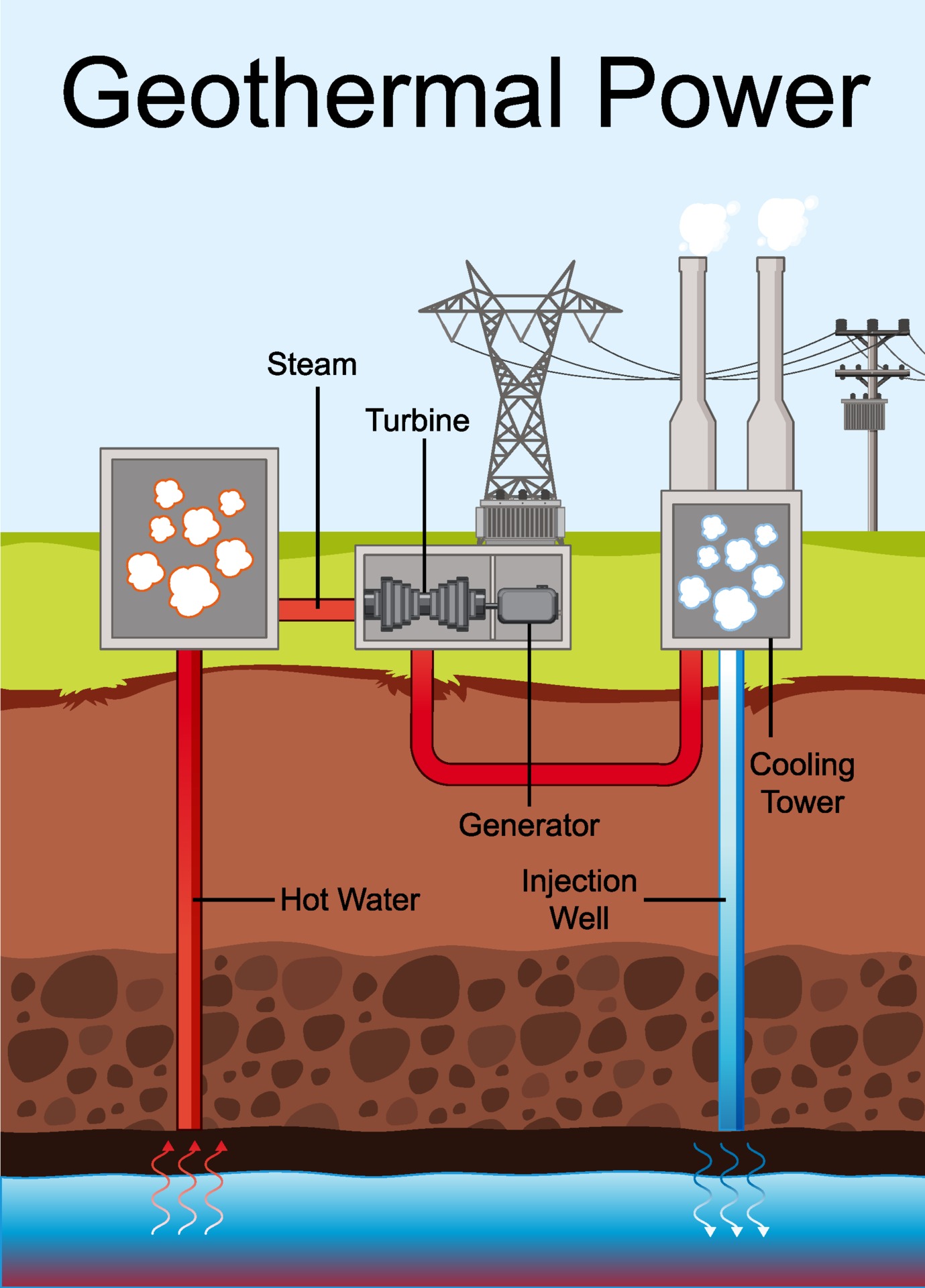
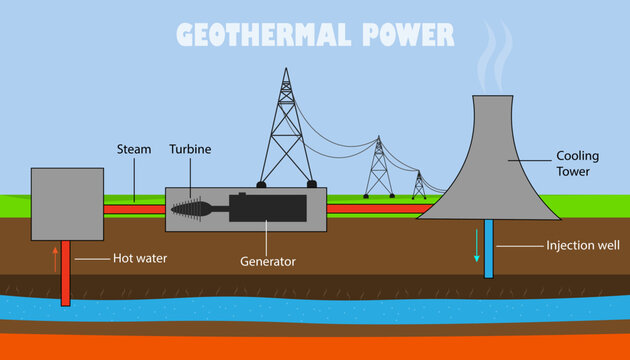
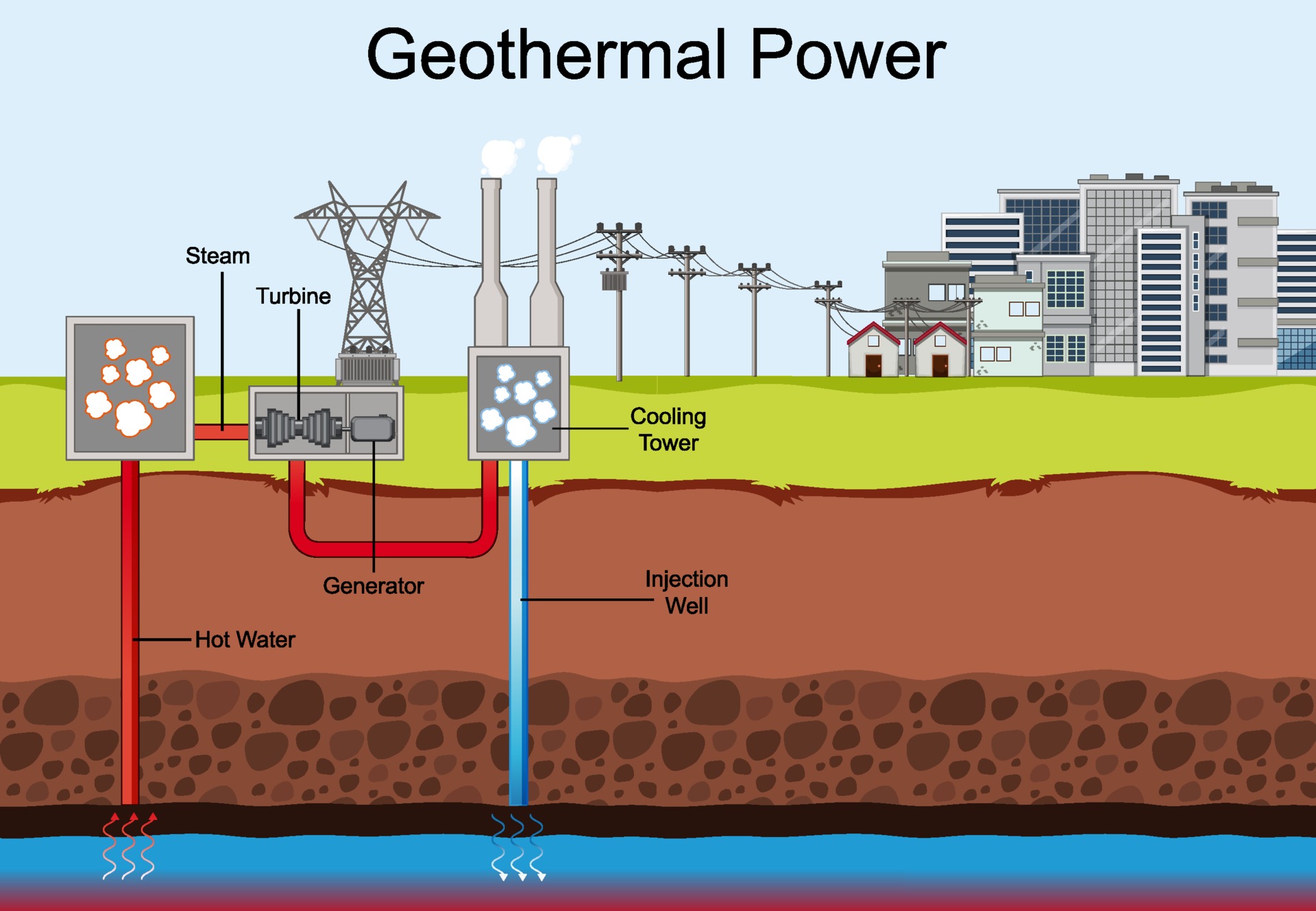
Now, let's get to the fun part: how does it actually work? Imagine drawing a diagram. At the heart of it, you have a geothermal reservoir – a pocket of hot water or steam trapped beneath the Earth's surface. This reservoir is usually found in areas with volcanic activity or tectonic plate boundaries, but it can also be accessed deep underground elsewhere. To access this heat, we drill wells into the reservoir. These wells act like straws, bringing the hot water or steam to the surface.
Must Read
Once at the surface, the hot water or steam is used in a couple of different ways. One common method involves using the steam to spin a turbine connected to a generator, which then produces electricity. It's the same principle as a coal-fired power plant, but instead of burning coal to create steam, we're using the Earth's natural heat. Another method involves using the hot water directly for heating purposes. This is commonly done in Iceland, for example, where geothermal energy heats homes, businesses, and even swimming pools! The cooled water is then often pumped back into the reservoir to be reheated, creating a sustainable cycle.
You might be surprised to learn that geothermal energy is already used in everyday life. Some schools and universities use geothermal systems for heating and cooling. Geothermal heat pumps are also becoming increasingly popular for residential use, offering an energy-efficient way to regulate temperature. In education, interactive simulations and virtual field trips to geothermal power plants are helping students understand the science and technology behind this renewable energy source.
Want to explore geothermal energy further? Check out online simulations of geothermal power plants. Research geothermal activity near you – you might be surprised to find hot springs or geothermal features in your region. Even simply thinking about how the Earth's core is constantly generating heat can spark a deeper appreciation for the power and potential of geothermal energy. So, next time you're looking for a sustainable energy solution, remember the Earth's hidden warmth – it might just be the answer!