Draft In Windows How To Seal

Ever notice that peculiar chill whispering through your living room, even when the heat's blasting? Or perhaps you've felt a sudden gust indoors on a perfectly calm day? It's not a ghost, we promise! What you're likely experiencing is a draft, and understanding how to seal a draft in your windows is one of those surprisingly satisfying, comfort-boosting, and wallet-friendly skills that's just plain fun to learn. Think of yourself as a home detective, sniffing out those sneaky air leaks and making your space feel wonderfully snug and efficient. It's a small change that can make a big difference, transforming your home into a cozier haven.
So, what's the big deal about a little breeze? Well, drafts are essentially tiny, invisible portals allowing your expensive, conditioned air (the air you pay to heat or cool) to escape, and unconditioned outside air to sneak in. The purpose of sealing them is simple: to create a more airtight barrier between your indoor sanctuary and the elements. The benefits are truly significant! First and foremost, you'll likely notice a considerable drop in your energy bills. Less energy wasted means more money staying in your pocket. Beyond the financial perks, a well-sealed home is a more comfortable home – no more cold spots in winter or unexpected hot spots in summer. Plus, you'll often find reduced dust infiltration, improved indoor air quality, and even less outside noise pollution seeping in. It’s about making your home work smarter, not harder, for your comfort and budget.
This isn't just a homeowner's hack; it's a skill applicable to so many situations! If you're renting an older apartment, identifying and addressing drafts (with landlord permission, of course!) can drastically improve your living comfort without major renovations. New homeowners often find it's one of the first, most impactful DIY projects to tackle, making an immediate difference in their new space. Even in education, this topic holds sway. Imagine a middle school science project focused on energy efficiency, where students learn about heat transfer and insulation by experimenting with different sealing materials on a mock window. Or a home economics class discussing practical ways to save money and reduce environmental impact through simple home maintenance. It's a fundamental aspect of understanding how our homes interact with the environment and a crucial step towards sustainable living for everyone.
Must Read
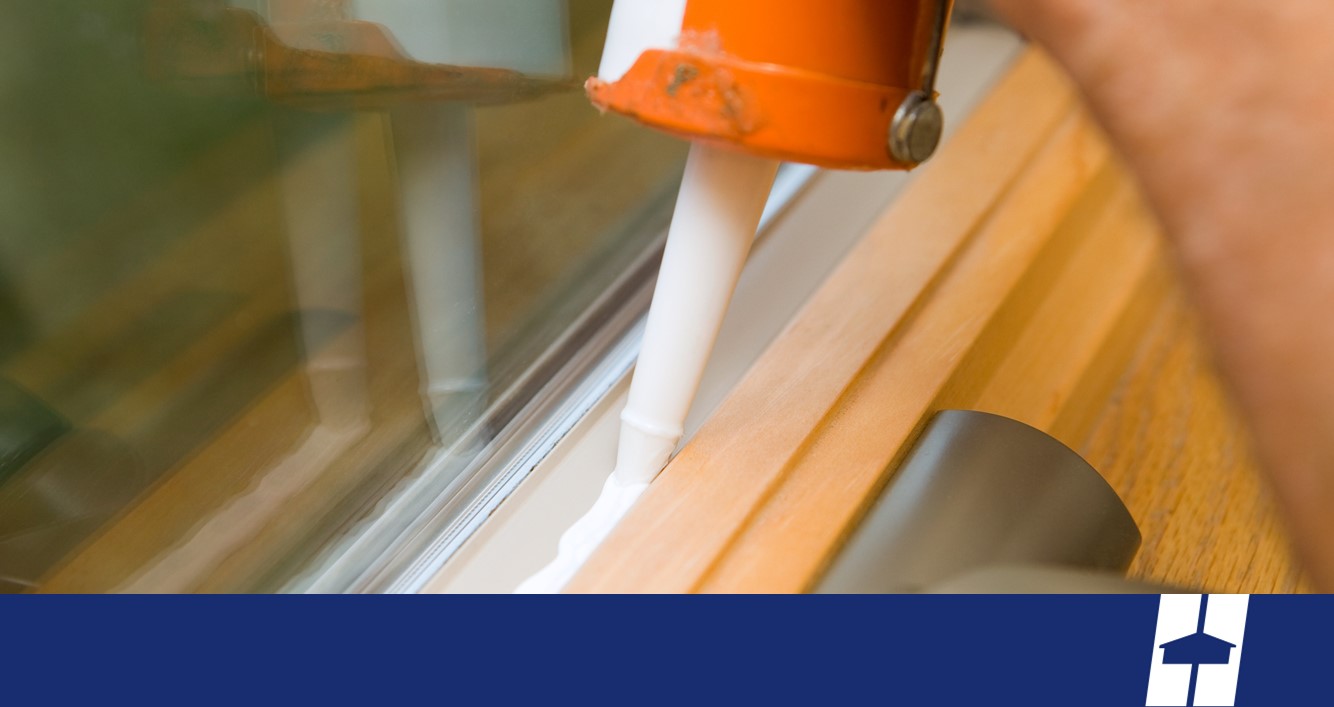
Ready to become a draft-busting pro? The first step is detection. On a breezy day, try the "candle test": carefully hold a lit candle or a stick of incense near your window frames. If the flame flickers wildly or the smoke wavers and gets sucked away, you've found a draft! A wet hand held near the window can also detect subtle temperature differences. Once you've identified the culprits, remedies can be incredibly simple and satisfying. For small, temporary gaps, consider an inexpensive window insulation film kit you shrink with a hairdryer, or even some strategically placed clear packing tape. For more permanent solutions, think about adding weatherstripping (available in foam, rubber, or V-strip forms) around movable sashes, or applying flexible caulk to seal fixed window frames against the wall. Don't forget those charming fabric "draft snakes" or door sweeps for the bottom of windows and doors – they're quick, easy, and can add a touch of personality! Start small, experiment, and enjoy the immediate warmth, quiet, and savings a well-sealed window brings.

![How to Seal Windows? [Insulating Drafty Windows] - Thermawood NZ](https://www.thermawood.co.nz/wp-content/uploads/2021/02/How-to-Seal-Windows-1.png)