
Double Sink Garbage Disposal Plumbing Diagram

Ever stared into the abyss of your double sink, one side sporting a whirring, munching garbage disposal, and wondered, "How does all that connect?" Don't worry, you're not alone! Plumbing can seem like magic, but the double sink garbage disposal setup? It's more like a cleverly designed puzzle than a mystical art. And understanding the basics can save you from future kitchen catastrophes (and expensive plumber bills!).
Think of your kitchen sink like a mini water park. You've got two pools (the sink basins), a thrilling ride (the garbage disposal), and a series of tubes (the pipes) guiding the water's journey. The double sink garbage disposal plumbing diagram is basically the map to this water park. It shows you how everything is connected to ensure your dishwater doesn't end up… well, anywhere it shouldn't!
Why Should You Even Care?
Okay, let's be honest. You probably don't wake up thinking, "Gee, I really want to learn about plumbing today!" But hear me out. Knowing the basics of your garbage disposal plumbing is like knowing how to change a tire on your car. You might not do it every week, but when you're stranded on the side of the road (or your kitchen sink is overflowing!), you'll be so glad you know what to do.
Must Read
Imagine this: you're hosting Thanksgiving. The sweet potatoes are mashed, the turkey's golden brown, and then BAM! The sink backs up. Gravy, cranberry sauce, potato peels… it’s a culinary horror scene. If you knew your plumbing diagram, you might be able to troubleshoot the issue yourself – perhaps a simple clog in the trap. Saving the day, one plunger pump at a time!
Beyond emergencies, understanding your plumbing can help you prevent problems. Spotting a loose connection or a corroded pipe before it leaks can save you money and the headache of a full-blown water damage situation. Think of it as preventative kitchen maintenance!
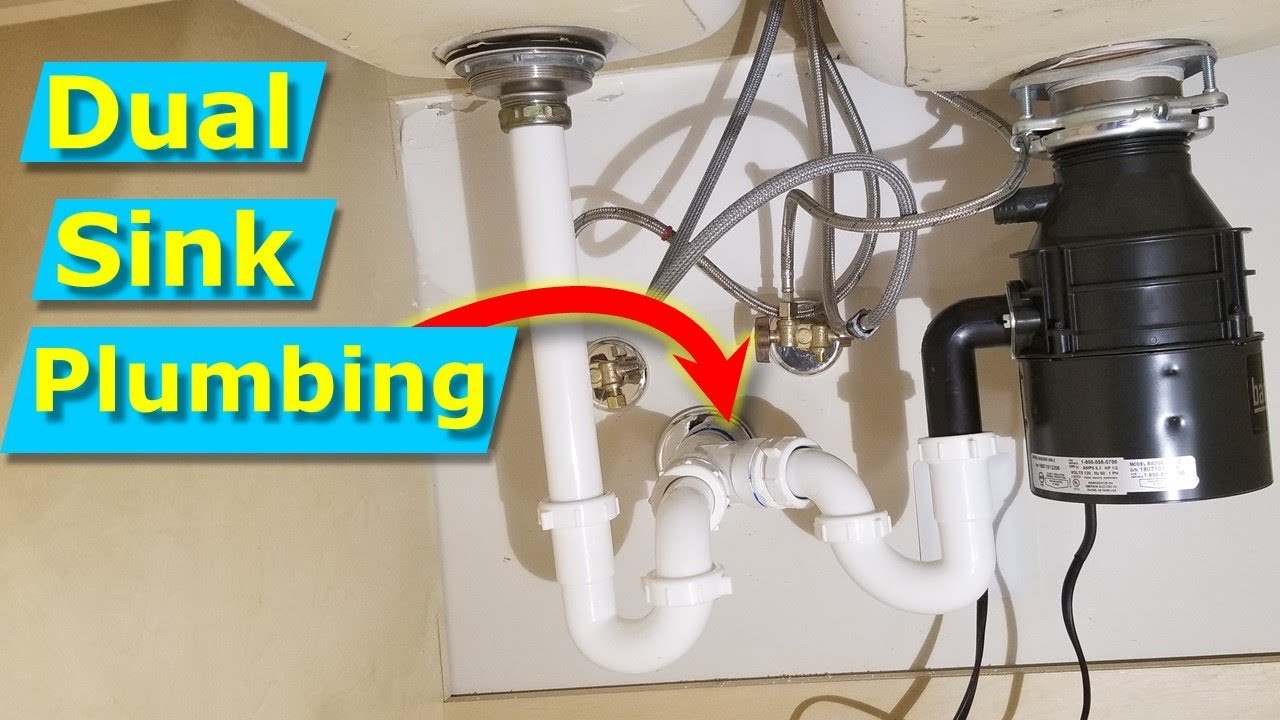
The Key Players in the Plumbing Diagram
Let's break down the main components. It's not as scary as it sounds!
* The Sink Basins: These are your two trusty dishwashing stations. Each has a drain, of course. * The Strainer Baskets: These catch larger debris, preventing them from clogging the drain. Empty them regularly! * The Tailpieces: These are the pipes that connect directly to the bottom of each sink drain. * The T-Fitting: This is where the tailpieces from both sinks meet. Think of it as a plumbing intersection. It might be a single T-fitting, or two separate ones, depending on your setup. * The Garbage Disposal: The star of the show! It's usually connected to one of the tailpieces, typically the one in the "dirty" sink. * The P-Trap: This is a U-shaped pipe that traps water, preventing sewer gases from entering your home. Super important! Nobody wants that smell wafting through their kitchen. * The Drainpipe: This is the main pipe that carries wastewater away from your sink and into your home's plumbing system.Now, let's picture how they all connect. Water from one sink goes down its tailpiece, into the T-fitting. Water from the other sink does the same. If the garbage disposal is in use, waste from that sink is ground up before entering the T-fitting. From the T-fitting, everything flows into the P-trap, and finally, down the drainpipe.
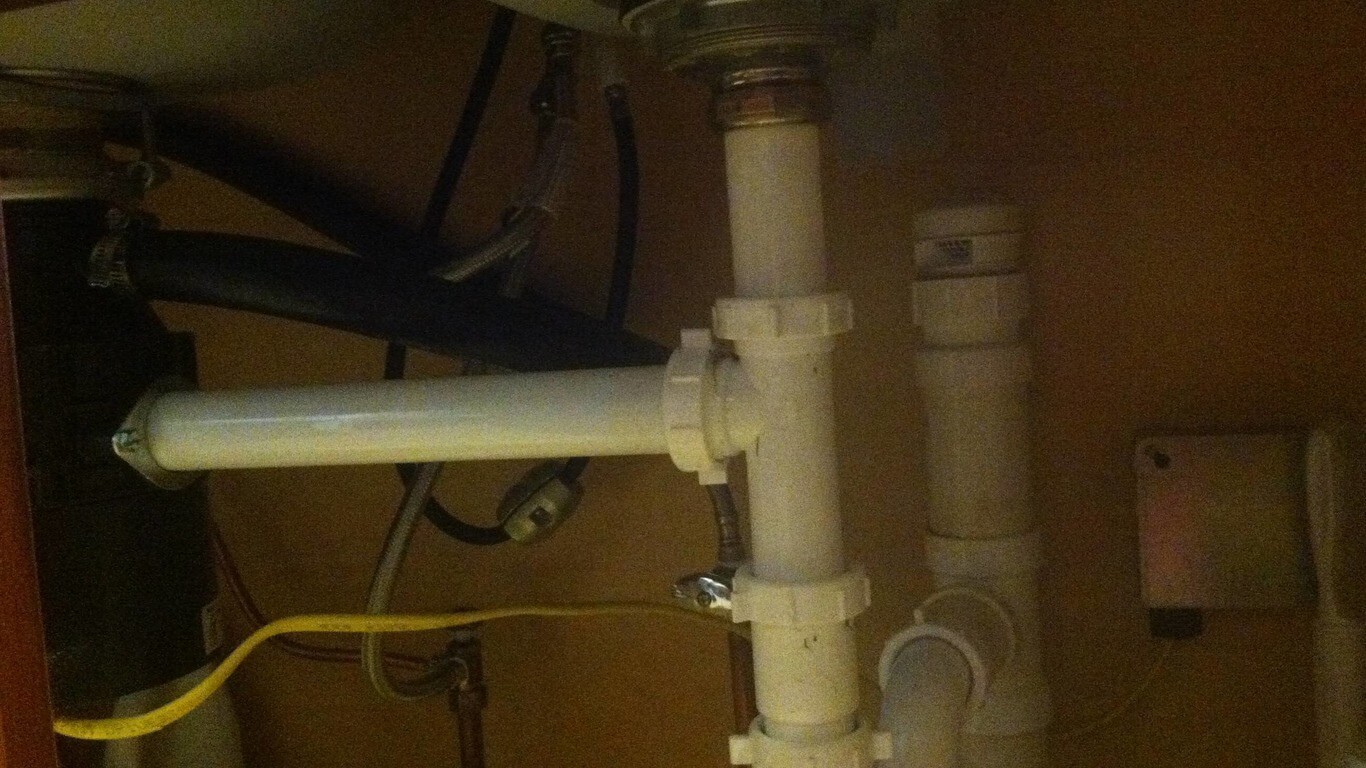
Common Double Sink Configurations
There are a couple of common ways to set up a double sink with a garbage disposal:
* Disposal on One Side Only: This is the most common setup. One sink has the disposal, and the other drains directly into the T-fitting. * Disposal on Both Sides (Rare): This requires two disposals and a more complex plumbing arrangement. It's usually only found in very large or commercial kitchens.The diagram will look slightly different depending on which configuration you have, but the basic principles remain the same.

Troubleshooting Tips
Okay, your sink is clogged. What do you do? Here are a few simple steps you can try:
* Check the Disposal: Is it humming? If so, it might be jammed. Turn it off, unplug it, and use tongs to remove any large objects. * Plunge Away: A good old-fashioned plunger can work wonders. Make sure you have a good seal around the drain. * Baking Soda and Vinegar: Pour a cup of baking soda down the drain, followed by a cup of vinegar. Let it fizz for 30 minutes, then flush with hot water. * Check the P-Trap: Sometimes, the clog is located right in the P-trap. Place a bucket underneath, loosen the slip nuts, and remove the trap to clean it out. Be prepared for a bit of a mess!If you're uncomfortable with any of these steps, call a plumber. Plumbing is best left to the professionals sometimes, especially if you're dealing with leaks or more complex issues.
So, there you have it! A (hopefully) not-so-intimidating look at the double sink garbage disposal plumbing diagram. Understanding these basics empowers you to tackle simple issues, prevent future problems, and maybe even impress your friends with your newfound plumbing knowledge. Now go forth and conquer those kitchen clogs!
:max_bytes(150000):strip_icc()/garbage-disposal-installation-1824830-01-73cf0263b344447488ed8e15f7f2bc78.jpg)