
Does Using The Oven Use A Lot Of Electricity

Hey there, friend! Ever stare at your oven and wonder if it's secretly plotting against your electricity bill? You're not alone! Let's dive into the burning question: Does using the oven really use a lot of electricity? (Spoiler alert: it's a bit more nuanced than "yes" or "no").
The Oven's Appetite for Power
Okay, so ovens aren't exactly known for their energy efficiency. They're not like those fancy LED lightbulbs that whisper sweet nothings of low wattage. Ovens, especially older models, can be real power hogs. We're talking potentially drawing a significant amount of electricity every single time you preheat and bake!
Think about it: you're basically heating a big, insulated box to a pretty high temperature. That takes energy. And the longer you cook, the more energy you're using. It's like running a mini-sun in your kitchen (except, hopefully, without the risk of sunburn).
Must Read
But don't despair! Before you swear off home-baked cookies forever, let's look at some factors that influence just how much electricity your oven is gulping down.
Factors Affecting Energy Consumption
Oven Type: Gas ovens generally use less electricity than electric ovens, primarily because they use gas as their primary heat source. Electric ovens, on the other hand, rely solely on electricity for everything. It's like comparing a fuel-sipping hybrid car to a gas-guzzling monster truck. Both get you there, but one definitely leaves a bigger dent in your wallet (or, in this case, your electricity bill).
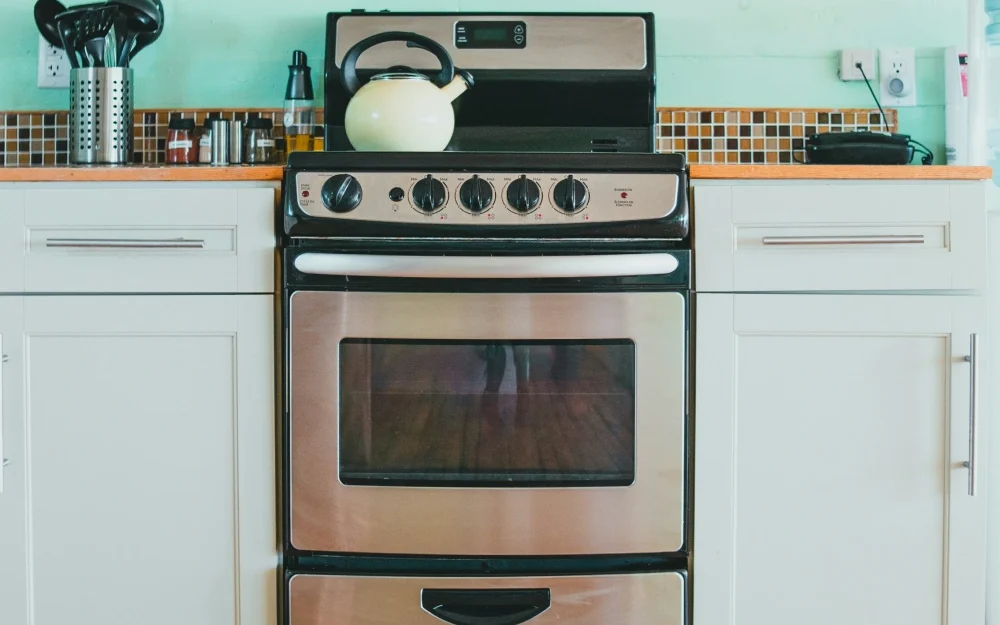
Oven Size: A huge double oven will naturally consume more energy than a smaller, compact oven. It's simple math: more space to heat = more energy required. Unless you're constantly baking for a massive crowd, a smaller oven might be a smarter choice for energy efficiency.
Temperature and Cooking Time: Baking a cake at 350°F for an hour will use less energy than roasting a turkey at 450°F for three hours. The higher the temperature and the longer the cooking time, the more electricity you'll be using. Makes sense, right? (It should, or I’ve completely failed as a communicator.)
Oven Age and Condition: Older ovens tend to be less efficient than newer models. They might have leaky seals, faulty insulation, or outdated heating elements. Think of it like an old car – it might still run, but it probably isn't as fuel-efficient as a modern one. Also, make sure your oven door seals properly. A leaky oven is like trying to heat your house with the windows open – a recipe for energy waste!
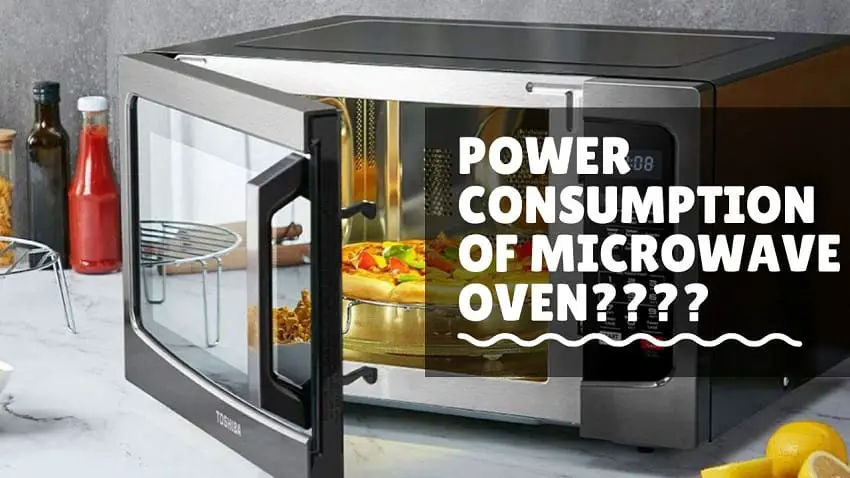
Convection vs. Conventional: Convection ovens use a fan to circulate hot air, which allows for faster and more even cooking at lower temperatures. This can lead to energy savings compared to conventional ovens. However, it depends on how you use it! Be sure to adjust recipes accordingly when using the convection setting.
Tips to Minimize Oven Energy Usage
Okay, so now that we know the oven can be a bit of a power guzzler, let's talk about how to tame the beast and keep your electricity bill under control.
Preheat Wisely: Only preheat your oven when necessary. Many recipes don't actually require preheating, especially for things like casseroles or roasting vegetables. Check the recipe instructions carefully before automatically hitting that preheat button. Plus, waiting is hard. Less preheating = less waiting!
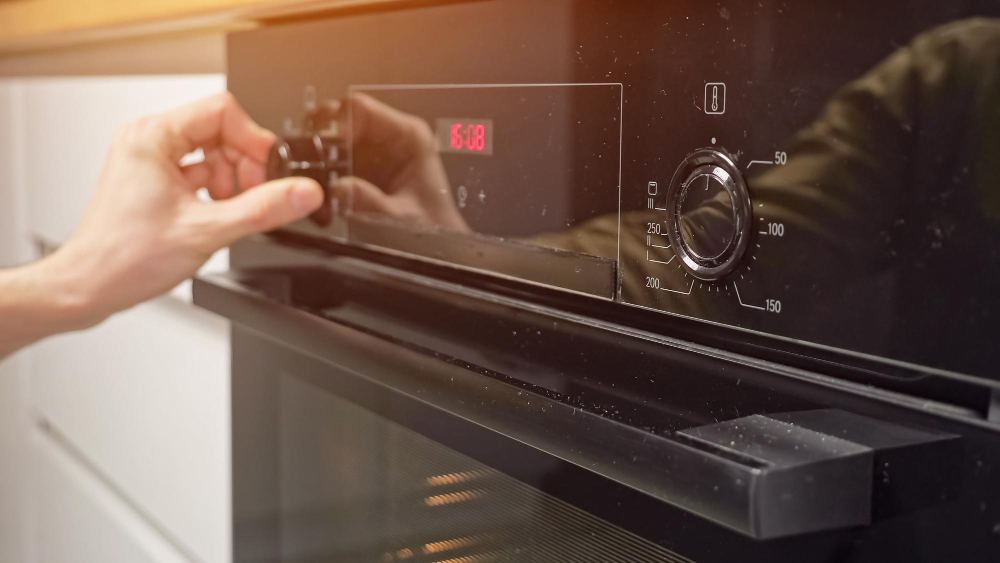
Batch Baking: If you're going to use the oven, make the most of it! Bake multiple dishes at once to maximize energy efficiency. It's like carpooling for your food. Efficiency!
Use Smaller Appliances: For smaller meals or reheating leftovers, consider using a toaster oven or microwave. These appliances use significantly less energy than a full-sized oven. Your wallet (and the planet) will thank you.
Keep the Door Closed: Resist the urge to constantly check on your food while it's baking. Each time you open the oven door, you lose heat, forcing the oven to work harder to maintain the set temperature. It’s like trying to keep a balloon inflated with a tiny hole – frustrating and ultimately pointless.
Clean Your Oven: A clean oven operates more efficiently. Built-up grease and grime can interfere with heat distribution, causing your oven to work harder. Plus, a clean oven is just nicer to look at, right?
Consider a New Oven: If your oven is old and inefficient, consider upgrading to a newer, more energy-efficient model. Look for models with features like convection baking and good insulation. It's an investment that can pay off in the long run.
The Takeaway
So, does using the oven use a lot of electricity? The answer is: it can, but it doesn't have to! By understanding the factors that influence oven energy consumption and implementing some simple energy-saving tips, you can enjoy all your favorite baked goods without sending your electricity bill through the roof. Happy baking, and may your electricity bill be ever in your favor! Now go forth and bake something amazing... and maybe check that door seal while you're at it!