
Does Turning The Heat On And Off Raise The Bill
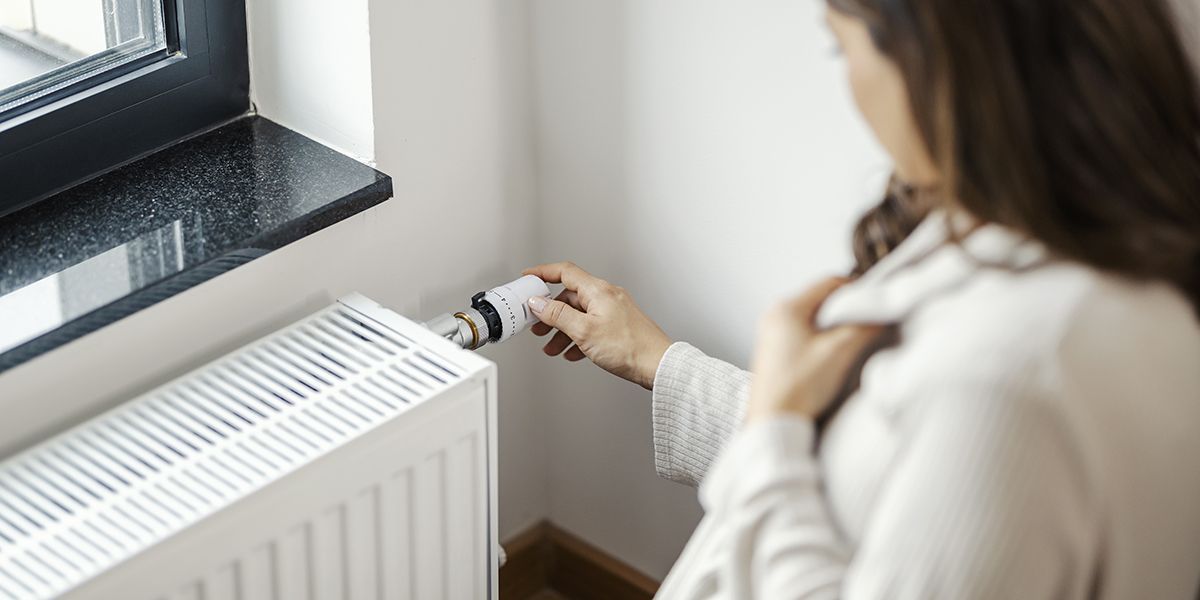
Alright, folks, let's talk about something that haunts us all during those chilly months: the dreaded heating bill! We've all been there, staring at that number, wondering if we could have saved a few bucks by, you know, strategically fiddling with the thermostat.
The Great Thermostat Debate: On/Off or Set and Forget?
The big question is this: Is it better to turn the heat on and off, or should we just set it and forget it? It's a question that's sparked countless family debates, roommate squabbles, and maybe even a few passive-aggressive thermostat wars.
Some folks swear that turning the heat off when they leave the house is the ultimate money-saving move. They imagine their furnace, a fire-breathing dragon, happily napping while they're gone, conserving precious energy.
Must Read
Others argue that it takes more energy to reheat a cold house than to maintain a steady temperature. They picture their furnace, a diligent little hamster on a wheel, working tirelessly but efficiently to keep things cozy.
Let's Get Real (and a Little Silly)
Okay, let's break down this myth with some relatable scenarios and a healthy dose of playful exaggeration. Think of your house like a giant, cozy sponge.
When it's cold outside, that sponge is slowly losing its warmth to the surrounding air. It's like trying to keep a hot bath warm – eventually, it's going to cool down, no matter what you do!
Now, imagine you turn the heat completely off every time you leave. That sponge gets colder and colder and colder! Upon return, your poor old furnace is in for a workout to bring it up to temp! It's like running a marathon after a month of couch surfing!
The furnace is pumping out heat like crazy, desperately trying to infuse warmth back into every nook and cranny. This takes a whole lot of energy!
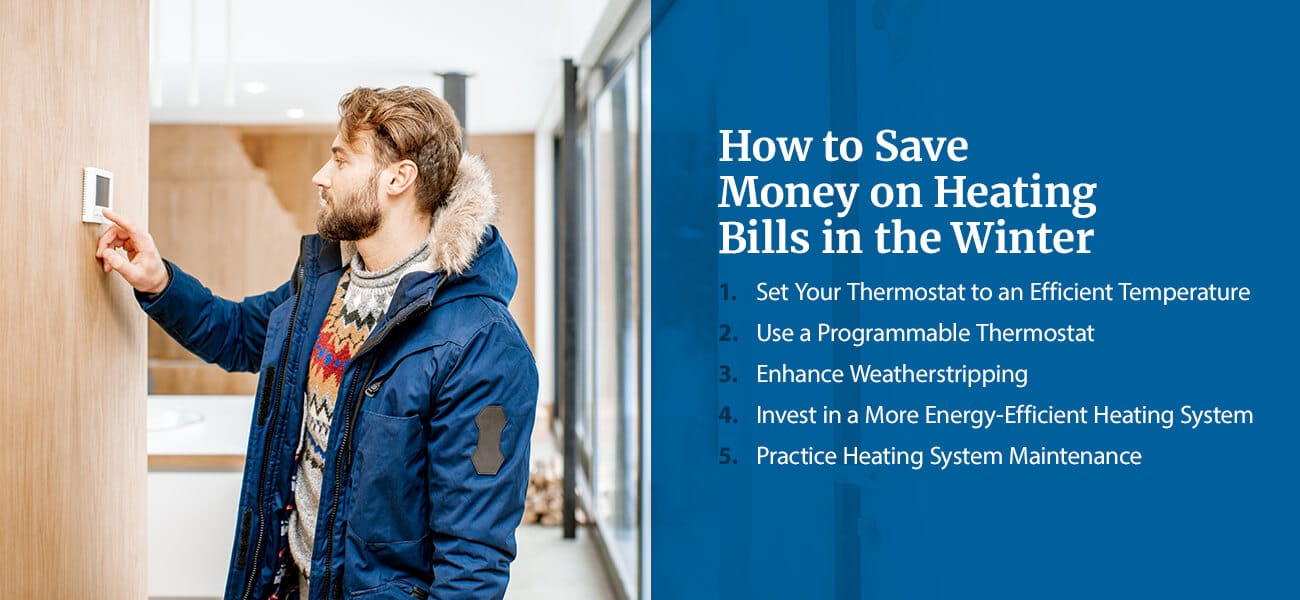
On the other hand, if you leave the heat on at a slightly lower, but consistent temperature, the sponge loses heat much more slowly. It's like keeping that bath at a lukewarm temperature – much easier to maintain!
The Set-Back Strategy: A Happy Medium
So, what's the sweet spot? What's the magic number that keeps your wallet happy and your toes toasty? That’s where the set-back strategy comes in!
Instead of completely turning off the heat, consider lowering the thermostat a few degrees when you're away or asleep. This way, you're not letting your house turn into an icebox, but you're still saving energy.
Think of it like this: instead of a full sprint, your furnace is doing a light jog. It's still working, but it's not exhausting itself – or your bank account.
The U.S. Department of Energy suggests that you can save as much as 10% a year on your heating bill by turning your thermostat back 7°-10°F for 8 hours a day. Now, that's some serious savings!
The Programmable Thermostat: Your New Best Friend
If you really want to become a thermostat ninja, a programmable thermostat is your weapon of choice! These little gadgets allow you to set different temperatures for different times of the day.
You can set it to lower the temperature while you're at work, raise it an hour before you get home, and lower it again while you're sleeping. It's like having a personal climate control manager!
No more manual thermostat adjustments! No more forgetting to turn the heat down before you leave! It's all automated, baby!
Some of the fancier models even learn your schedule and adjust the temperature accordingly. They're practically psychic! (Okay, maybe not, but they're still pretty cool.)
Debunking the Myths (and Having a Little Fun)
Let's bust some common myths about heating and thermostats, shall we? These are the kind of misconceptions that can lead to heated (pun intended!) family arguments.
Myth #1: Turning the heat up higher will make the house heat up faster. Nope! Your furnace pumps out heat at a consistent rate.
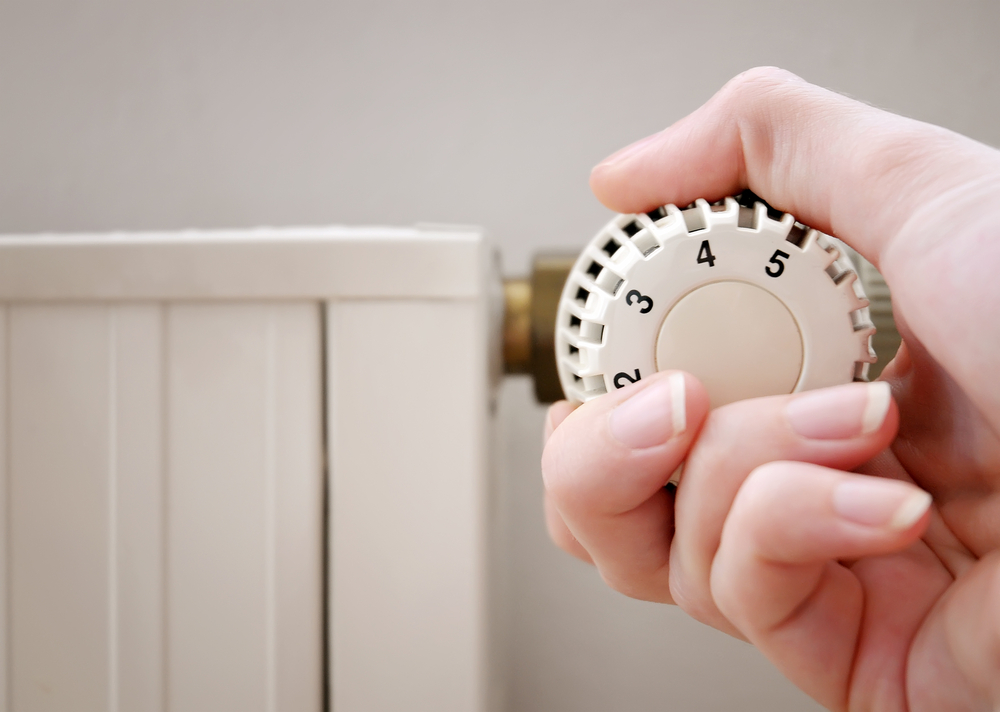
Cranking the thermostat to the max won't make it work any harder; it'll just make it run longer until it reaches that super-high temperature – and waste energy in the process.
Myth #2: Closing vents in unused rooms will save energy. While it sounds logical, this can actually mess with your home's heating system and reduce efficiency.
Your furnace is designed to heat a certain amount of space, and closing vents can create pressure imbalances and make it work harder to distribute heat to the other rooms. Plus, it will just make those rooms colder, potentially inviting moisture problems.
Myth #3: If I'm cold, I should just wear more clothes. Okay, this isn't really a myth, but it's worth mentioning! Seriously, sometimes the simplest solution is the best. A cozy sweater and some fuzzy socks can work wonders!
The Bottom Line: Find What Works For You
So, does turning the heat on and off raise the bill? The answer, as with most things in life, is: it depends!
Completely turning off the heat, especially in very cold climates, can lead to higher energy consumption when you reheat your house. However, setting back the thermostat a few degrees while you're away or asleep can definitely save you money.
Ultimately, the best approach depends on your climate, your home's insulation, your personal preferences, and your budget. Experiment with different settings, track your energy usage, and see what works best for you!
Consider doing a home energy audit. There are companies that specialize in helping you find where you are losing heat from your home.
And remember, saving energy is not just about saving money. It's also about reducing your carbon footprint and helping to protect our planet. So, go forth and conquer those thermostats, my friends! Let's keep our homes cozy, our wallets happy, and our planet healthy!
Oh, and one last tip: don't forget to change your furnace filter regularly! A clean filter allows your furnace to run more efficiently, and that's always a good thing.
Happy heating!