Does Turning Off Power Strip Save Electricity

Let's be honest, thinking about electricity bills isn't exactly a thrill ride. But, understanding where your energy goes and how to save a few bucks? That's a small victory dance we can all get behind! Today, we're diving into the surprisingly captivating world of power strips and whether flicking that little switch really makes a difference. Is turning off your power strip a pointless gesture, or a savvy move towards a lighter energy footprint (and wallet)? Let's find out!
Who benefits from knowing this stuff? Well, pretty much everyone! For beginners just starting to think about energy conservation, it's a super simple way to make a tiny change with potentially noticeable results. For families juggling bills and trying to teach kids about responsible energy use, it's a practical lesson. And for hobbyists, like gamers with complex setups or makers with various tools, it’s about managing the energy consumption of their collections and reducing risk of power surges.
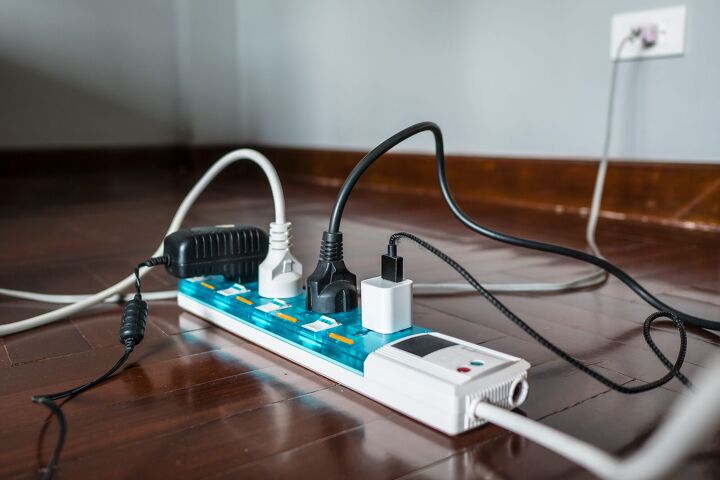
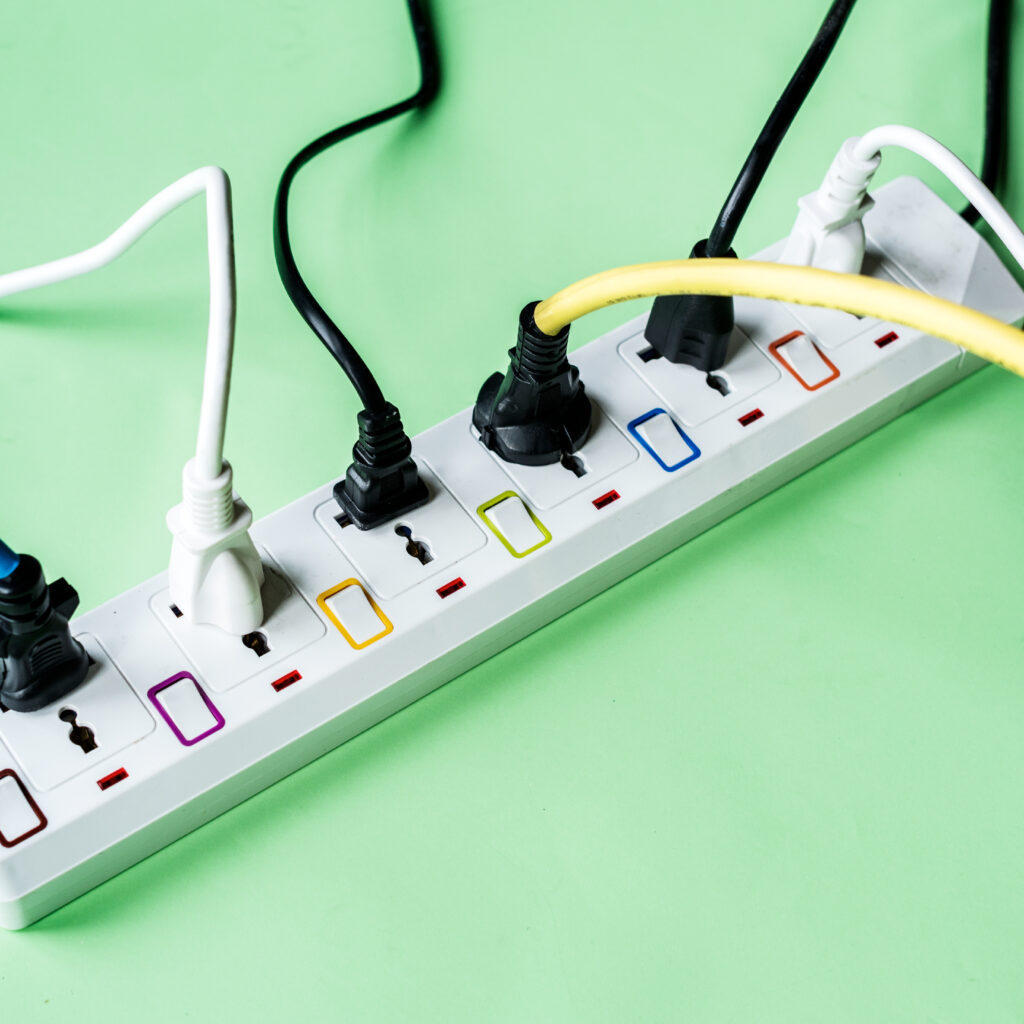
The core question is: what is phantom load or vampire power? Many devices, even when "off," still draw a small amount of power. Think of your TV, your phone charger, your coffee maker – they might seem dormant, but they're often still sipping electricity in standby mode, waiting for you to give them the signal to spring back to life. Power strips, especially those with surge protection, can contribute to this draw. Turning off the strip cuts off this unnecessary energy flow.
Must Read
Examples abound! Imagine your entertainment center. You have a TV, a DVD player, a game console, maybe a streaming device – all plugged into a single strip. When you're not using them, they might collectively be drawing several watts of power. Or consider your home office. Your computer, printer, speakers, and monitor all contribute to vampire power. The accumulated electricity draw, when multiplied by 24 hours a day and 365 days a year, may be more than you’d think.
But what about variations? Some power strips are "smart" and automatically cut power to devices when they're not in use. These smart strips can be a great investment, but even with a regular strip, the manual method works just fine. Plus, some devices are designed to truly shut down when turned off and don’t draw power, meaning switching off the power strip won't do much. You’ll have to experiment to learn about your particular setup.
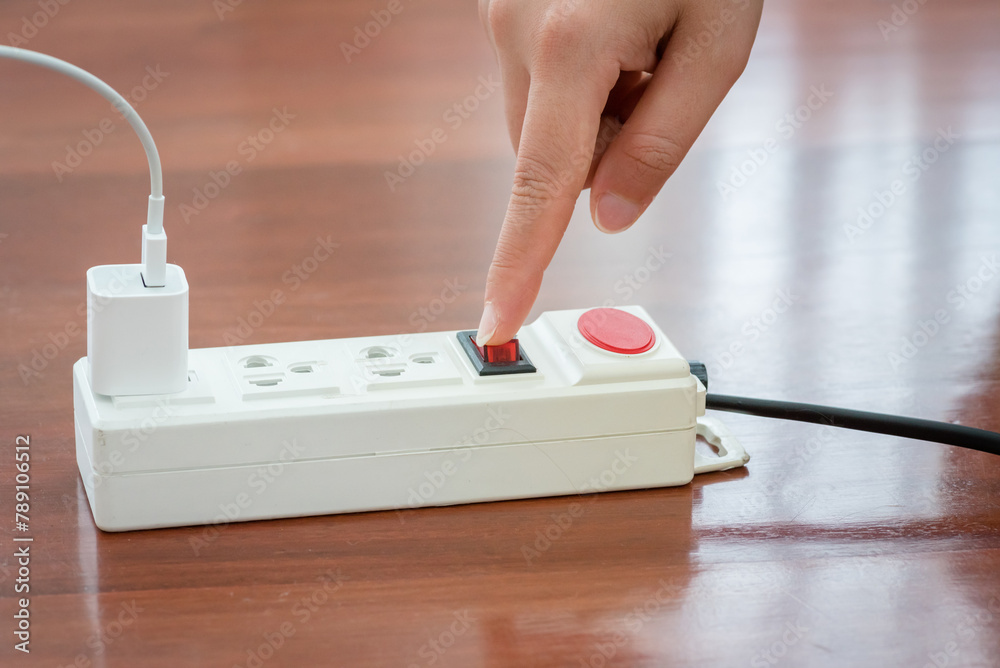
Ready to give it a try? Here are some simple steps:
- Identify the electronics you regularly use and plug them into a power strip.
- Before going to bed or leaving the house for an extended period, switch off the power strip.
- Monitor your electricity bill over the next few months. See if you notice a difference.
- Consider investing in a smart power strip for automated energy savings.
Don't expect to become rich overnight. The savings from turning off your power strips might be modest, but remember: even small changes, when consistently applied, can add up. It's also about developing a mindful approach to energy consumption. There’s satisfaction in knowing you're doing your small part to conserve energy. Plus, it's kind of fun, isn't it, to feel like you're outsmarting those little energy vampires!